Serbian, 66, jailed over wrong-way Thessaloniki crash
A 66-year-old Serbian citizen drove the wrong way on the bypass near Thessaloniki and collided with a taxi. He was under the influence of alcohol, and a Greek court ordered his detention until trial.

- A Serbian citizen, 66, drove the wrong way on the bypass near Thessaloniki and collided with a taxi.
- According to Greek authorities, a breathalyzer showed 0.86 and 0.69 milligrams of alcohol per liter of exhaled air.
- A Greek court ordered his detention, with the main hearing set for Friday.
- The driver is charged with dangerous driving and operating a vehicle under the influence of alcohol.
A 66-year-old Serbian citizen has been placed in custody in Greece. According to local authorities, he drove the wrong way on the bypass near Thessaloniki. There, on Tuesday morning, he collided with a taxi. Greek prosecutors have opened proceedings against him.
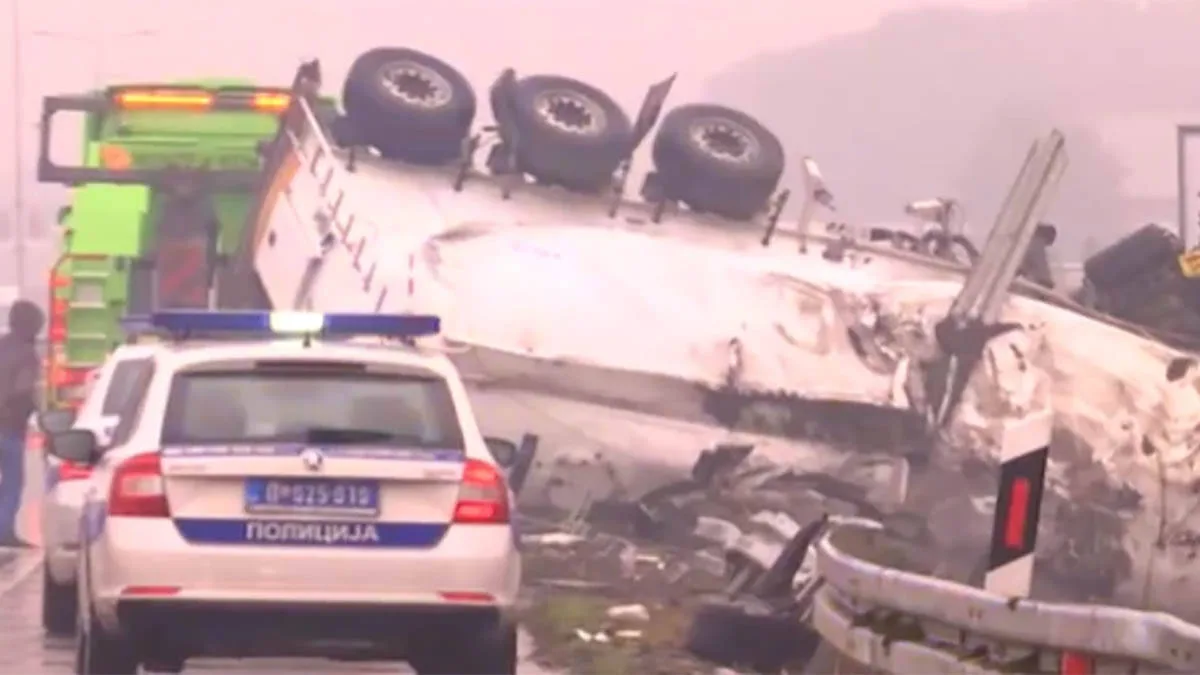
The crash happened on the ring road known as the Perifereiakos, near the settlement of Konstantinopolitika. The driver from Serbia was reportedly moving against the permitted flow of traffic. At one point he struck a taxi head-on. Both cars sustained significant material damage.
What happened on the Thessaloniki bypass
According to Greek police, the driver was detained on the spot. The breathalyzer returned readings of 0.86 and 0.69 milligrams of alcohol per liter of exhaled air. That is well above the legal limit in Greece. As a result, the suspect was first taken to hospital for a precautionary examination, then handed over to the competent authorities.
A Greek court subsequently ordered his detention. The driver will remain in custody until the main hearing, which is scheduled for Friday. He is charged with dangerous driving and with operating a vehicle under the influence of alcohol. His identity has not been officially released.
At this stage of the proceedings, these remain allegations by the prosecution. Guilt cannot be treated as established until the court issues a final ruling. The suspect has the right to a defense and to legal counsel. There is no official information yet about the details of his statement.
Wrong-way driving on fast roads is among the most dangerous traffic offenses. A vehicle moving against the flow most often triggers a head-on collision. That kind of impact carries the highest risk of serious consequences for those involved.
How does Greek law treat drink-driving?
Greek rules provide for strict penalties for driving with an elevated blood-alcohol level. Higher breathalyzer readings can mean fines, the loss of a driving license and, in some cases, prison. When alcohol is combined with a road accident, the case usually becomes more serious.
In this instance, the court reached for detention already in the first phase. Such a measure is imposed when there is an assessment that release could jeopardize the course of the proceedings. The final classification of the offense will depend on the findings and on what is established at the hearing.
For Serbian citizens traveling through Greece, cases like this carry an added weight. The proceedings run under foreign law, in a foreign language and before a foreign court. Consular assistance in such situations can ease communication, but it does not change the course of the criminal case itself.
The summer months traditionally bring heavy traffic on the routes toward Greek resorts. Part of those routes runs right across the Thessaloniki bypass. Fatigue, night driving and alcohol on those stretches form a combination with the worst possible outcomes.
The question remains how many drivers still choose to get behind the wheel after drinking, despite everything we know about the risk. In your view, what would do the most to reduce cases like this?