Zijin's Jama Bor Mine Enters Second Development Phase
Serbia's government approved drafting a spatial plan for the second phase of the Jama Bor mine. The deadline is nine months, and the plan includes a new flotation plant.

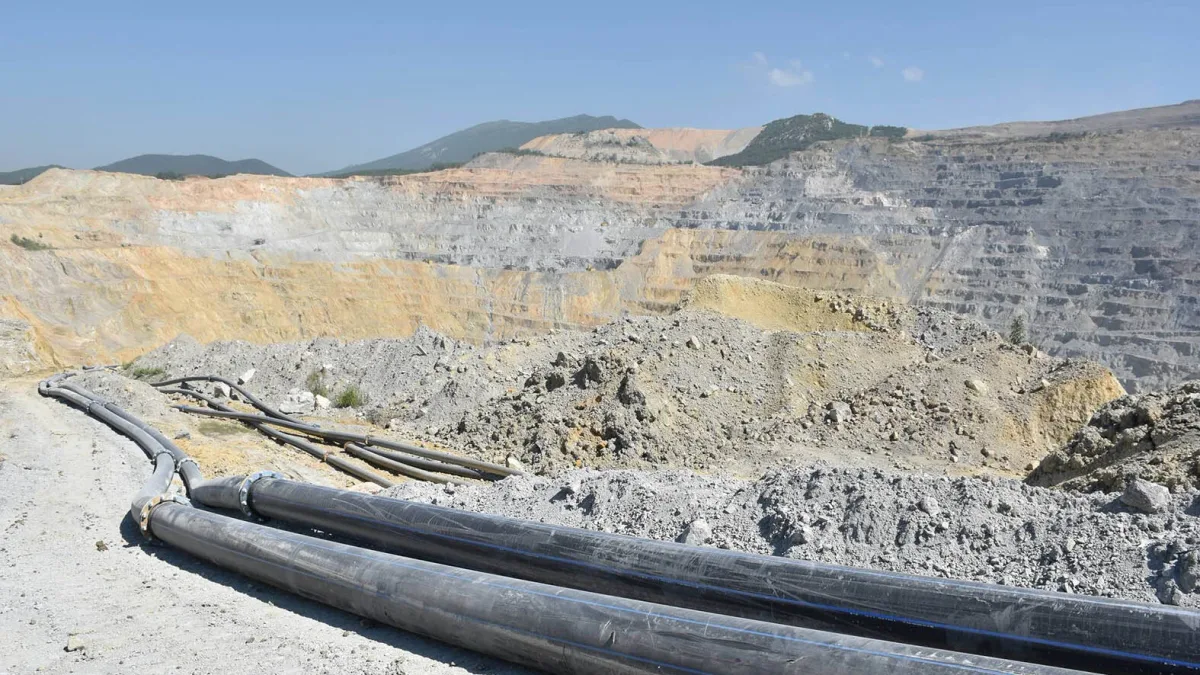
Serbia’s Agency for Spatial Planning and Urban Planning has nine months to draft a spatial plan for the second development phase of the Jama Bor mine. The decision to draft the special purpose area spatial plan for the mine was published in the Official Gazette of the Republic of Serbia, with the deadline starting to run from the day the decision takes effect.
The plan covers parts of three cadastral municipalities: Bor I, Bor II and Ostrelj. The stated goal is to create a planning basis for continuing development of the mining and metallurgical system and for increasing copper ore output. The investor is Serbia Zijin Copper, the company that runs Serbia’s only copper production, based in Bor.
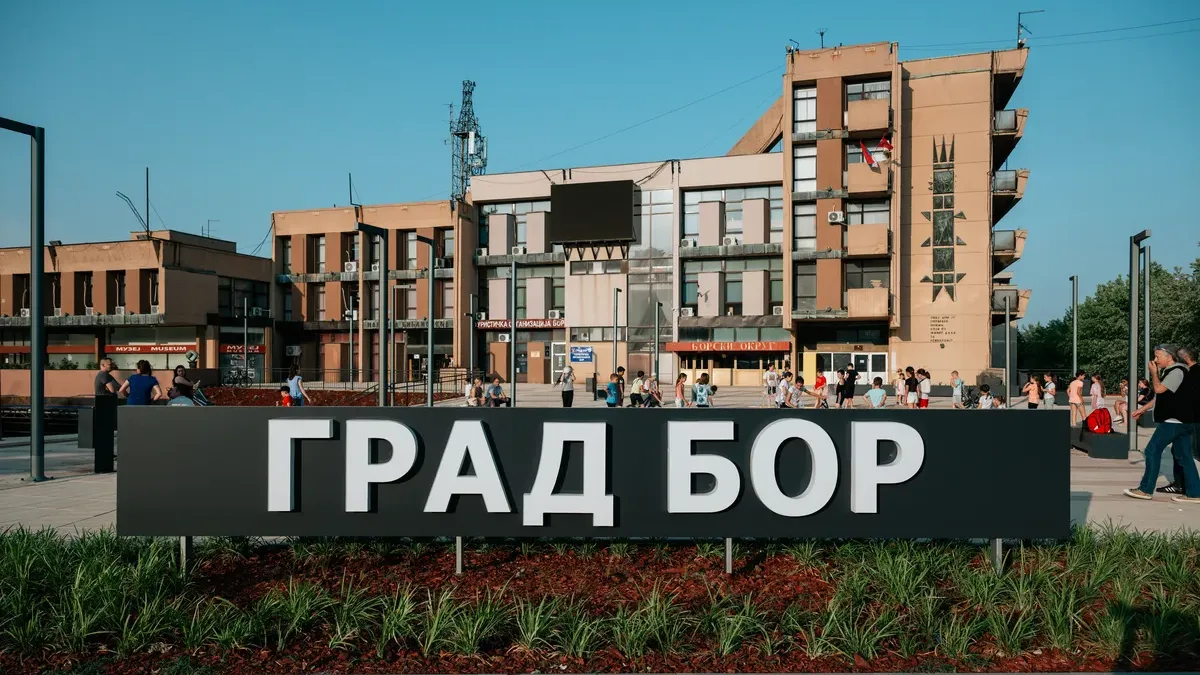
The draft plan will go to public review for 30 days, at the Bor City Administration building.
What does the second development phase bring?
The decision lists three items:
- upgrading the exploitation of the Jama deposit, the underground part of the Bor mining complex
- building new mining infrastructure and supporting facilities
- building a new flotation plant for ore processing
A flotation plant is where mined ore gets ground and separated in a water bath into copper concentrate and tailings. In practice, it is the flotation plant’s capacity, not the pit’s, that sets the ceiling on how much ore the system can process in a year. The new flotation plant is therefore the only item on the list that directly raises that ceiling, while the other two concern access to the deposit and supporting facilities.
The decision does not include an investment figure or deadlines for the work itself. The spatial plan is a step that precedes that work: without it, there is no basis for issuing permits for facilities on the land it covers.
Zijin in Bor since late 2018
The Chinese company Zijin entered the Bor basin in December 2018, when it signed a contract with the Government of Serbia to take over the then state-owned RTB Bor. The ownership split has stayed the same ever since: Zijin holds 63% of the capital, with 37% remaining with the Republic of Serbia.
The entry package at the time included a recapitalization of 350 million dollars, assumption of RTB Bor’s inherited debts of 200 million dollars, and a commitment to invest 1.26 billion dollars over the following six years. In late April 2025, the company announced it had invested a total of 3.267 billion dollars, well above the obligation it originally took on.
The company now operates under the name Serbia Zijin Copper. Copper has since become one of the pillars of Serbian exports, and the Bor complex is the country’s only producer of copper and precious metals.
Whose backyard is the mine expanding into?
A special purpose area spatial plan is not a formality. It draws a boundary within which mining use takes precedence over other land use, and that boundary also covers parts of Bor’s urban area. The Bor I and Bor II cadastral municipalities cover the town itself and its immediate surroundings, while Ostrelj is a separate settlement within the City of Bor.
That is why the public review takes place at the City Administration building. Thirty days is the only formal window in which parcel owners within the covered area, local communities and local associations can file objections before the plan goes to adoption.
The next step is the draft prepared by the Agency for Spatial Planning and Urban Planning. Once it is published, it will show for the first time the exact area in hectares and the planned location of the new flotation plant.