NKSS: Culture Gets 0.65% of Serbia's Budget, Tenders Stall
At a conference of the Independent Cultural Scene of Serbia, a study showed that over half of the 2025 culture tenders were not carried out and only 2 of 6.5 million euros were spent.

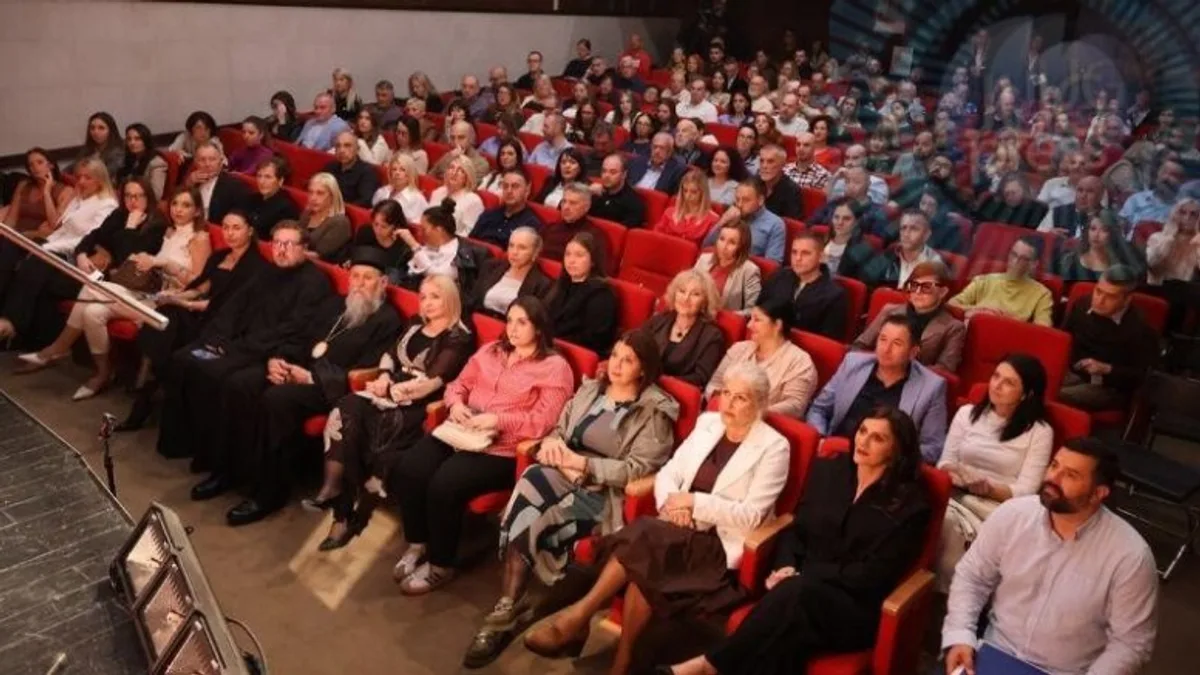
Culture in Serbia currently receives 0.65 percent of the state budget, and more than half of the tenders for 2025 were never carried out. That is what a study titled “The Destruction of Culture and the Culture of Resistance in Serbia” showed when it was presented on September 28 at a conference of the Independent Cultural Scene of Serbia Association (NKSS). The conclusion of the gathering reads:
The regime openly treats culture, cultural workers and artists as enemies.
That is the association’s own conclusion, not an assessment we share, and the figures behind it are worth going through in order.
What did the study measure?
Predrag Cveticanin, a full professor at the Faculty of Arts in Nis and a lecturer at the UNESCO Chair at the University of Belgrade, analyzed culture budgets from 2015 to 2026. In his assessment, they point to a “chaotic cultural policy” and a drastic cut in funding over the past three years.
According to the study, more than half of the 2025 tenders were not carried out because of delays in announcing them and missed deadlines. Of the 6.5 million euros in the culture budget, two million were spent, and the study says it is not known what the remaining 4.5 million went to. The same source judges it likely that the tenders announced this year will not be carried out either.
Funding for the civil sector between 2015 and 2026 mostly ran between one and two percent of the total budget. This year only two projects by organizations from the NKSS Association were supported, at 5,000 euros each, according to the results of the analysis.
Tenders, festivals and projects that failed the criteria
The analysis also covered the Belgrade Secretariat for Culture, which failed three times in the past six years to announce tenders, so it is unclear what funds of between one and three million euros were spent on. The Film Center Serbia is said to have announced no tenders for two years, despite being obliged to.
The researchers also singled out 48 projects that, as they claim, should not have been on a tender at all: the organizations were not registered or had blocked accounts at the Business Registers Agency, had no financial reports or previous activity, or worked outside the field of culture. A total of 33 million dinars was allocated to those projects.
The Provincial Secretariat for Culture allocated 3.4 million euros this year, but funding was also recorded for organizations from other parts of Serbia. Zilion Film received 51 million dinars between 2021 and 2024, and the Belgrade Dance Festival 67.5 million. The analysis also focused on the tender for the “Expo 2027” exhibition, which, as was pointed out at the conference, is larger than the city budget of Uzice, Vranje and Novi Pazar. About twenty festivals over the past two years were not held, ceased to exist, or were held without financial support.
What do people who work on the scene say?
Virdzinija Djekovic Miketic, a member of the NKSS Association’s Management Board, presented a survey by the Community of Art and Culture initiative. It testifies to pressure inside cultural institutions aimed at workers and artists who go to student protests and speak publicly, especially in small towns. She warned about dismissals without a legally valid reason, employment contracts that were not renewed and frequent cancellations of engagements, as well as their effect on the mental health of people who have invested years of work in culture.
Marijana Cvetkovic, a co-founder of Stanica, a service for contemporary dance, said that many independent scene organizations have almost stopped working because of financial marginalization. In her words, every form of creative work has collapsed across a large part of the visual arts scene, in independent theater production and in the entire dance scene. That creative capacity, she added, has spilled over into the civic and student struggle, and the culture of resistance has spread across the whole field of culture, where institutions and the independent sector form a single front of resistance.