Kosovo Police Ban Gracanica Billboard, Serbs Put Up New One
Pristina police halted a billboard on June 25 over the word covenant, and residents raised a new Vidovdan 2026 sign in Gracanica overnight.

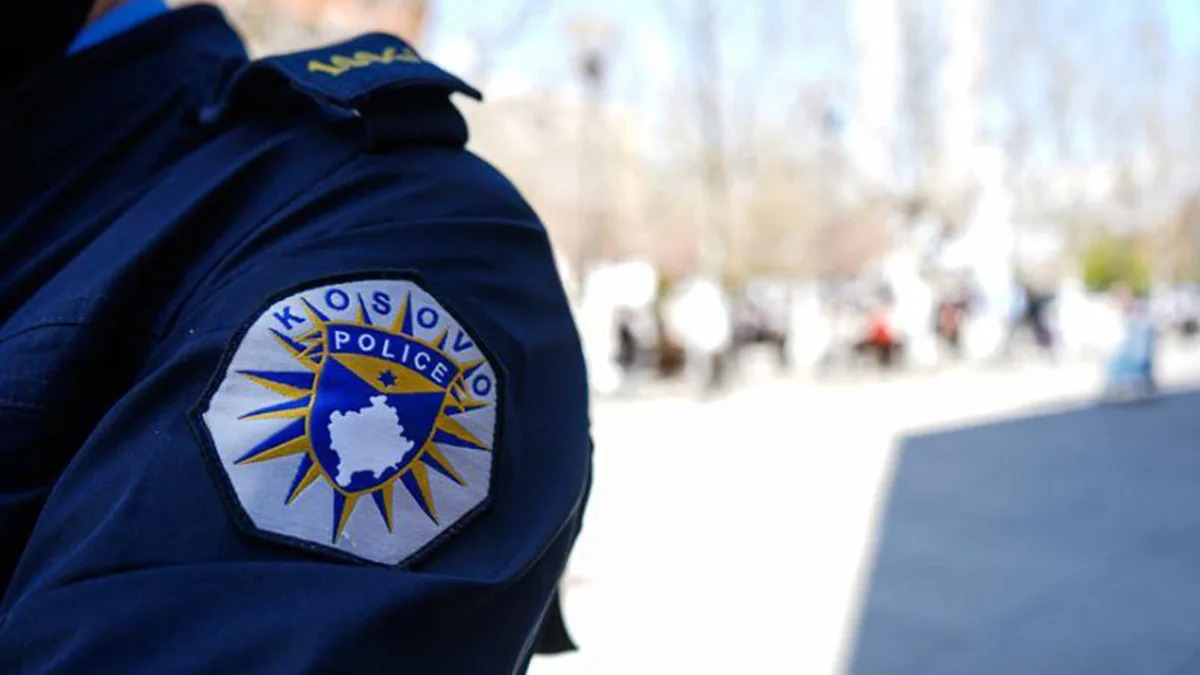
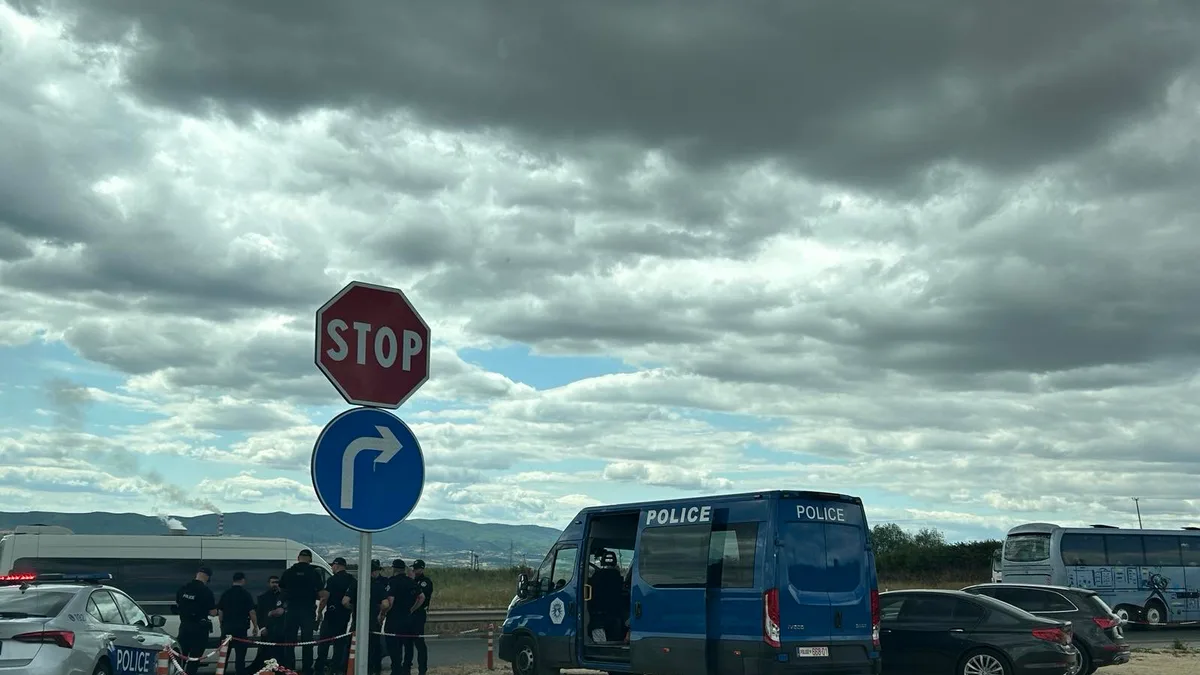
- So-called Kosovo police on June 25 halted a billboard in Gracanica because they objected to the word covenant.
- The Gracanica municipality had notified police in advance and planned to fly Serbian flags along the main street before the holiday.
- Overnight, residents raised a new billboard reading Vidovdan 2026 - Welcome to Gracanica, without the disputed word.
- Vidovdan falls this year on Sunday, June 28, when a memorial service for the Kosovo heroes is traditionally held at Gazimestan.
So-called Kosovo police on June 25 stopped the installation of a billboard in Gracanica that read “Covenant of Vidovdan,” demanding that the work be halted over the content of the message. According to residents, the objection came down to a single word: “covenant.” The Gracanica municipality said it had notified the police in advance about the installation and that it had planned to display Serbian flags along the main street ahead of the holiday.
The intervention came at the height of preparations for Vidovdan, one of the most significant dates on the Serbian calendar, which this year falls on Sunday, June 28. Rather than take the message down, residents raised a new billboard overnight, this time reading “Vidovdan 2026 - Welcome to Gracanica,” featuring images of the Gracanica Monastery and the Monument to the Kosovo Heroes at Gazimestan. The new signs, without the word “covenant,” were up by morning.
Why did one word bother the police?
Zivojin Rakocevic, director of the Gracanica Cultural Center, reacted sharply to the ban. “This is an absolute expression of intolerance, of being undemocratic, and of discrimination,” Rakocevic said, arguing that banning an ordinary holiday message reveals how Pristina’s institutions treat the Serb community in Kosovo and Metohija.
The billboard incident was not isolated. In the same period, Kosovo police also prevented the restoration of a mural dedicated to Patriarch Pavle in the northern part of Kosovska Mitrovica. Residents read this string of moves before Vidovdan as pressure on the symbols of Serbian cultural and religious identity, at a moment when the Belgrade-Pristina dialogue is already stalled. The Serbian side stressed that the response concerned the removal of an entirely peaceful holiday message that calls for no conflict, only for marking the date.
In the Serbian context, the word “covenant” is tied to the Kosovo legend and to commitment, not to any political or security threat. That is precisely why the decision to stop the work left residents in disbelief. The speed with which the replacement billboard went up, overnight and without the disputed word, showed that the local community had no intention of giving up the commemoration, yet was willing to adjust the wording to avoid a fresh clash with the police.
What is expected on Vidovdan?
Vidovdan is again being marked with a liturgy and a memorial service for the Kosovo heroes at Gazimestan, the site of the 1389 Battle of Kosovo. The traditional gathering of the faithful and residents on this day carries both a religious and a national dimension, and the events around the billboard have only drawn additional public attention ahead of Sunday.
The open question is how Pristina’s institutions will act on the holiday itself, and whether the flags and markings along the main street of Gracanica will pass without new interventions. For now, the two messages, the one the police stopped and the one residents put up overnight, capture just how sensitive symbols have become in the north and in the Serb communities of Kosovo and Metohija.
Do you think the marking of religious and national holidays should stay outside any politics, or is a clash over a single word a sign of deeper mistrust?