Reljanovic: Student List to Rehire Those Fired for Protests
Incoming MP Mario Reljanovic says workers fired for backing the protests will get their jobs back, new hiring will be reviewed, and a new Labor Law is being prepared.
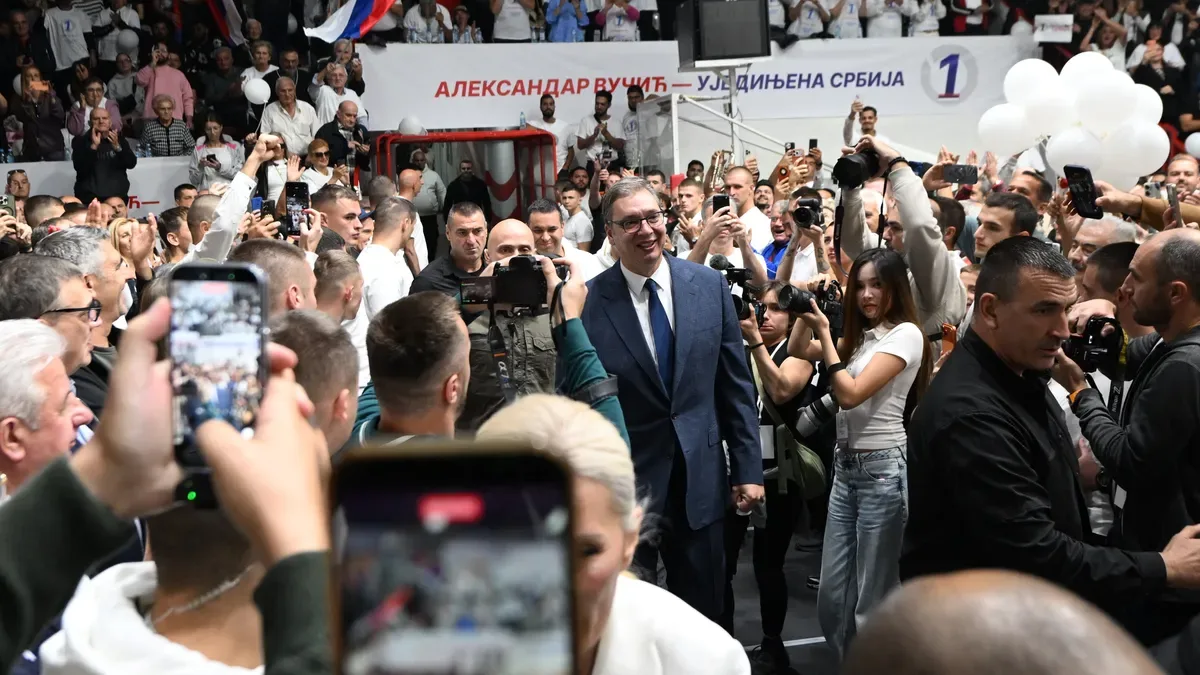
Mario Reljanovic, a labor law expert and incoming Student List MP, said on November 11 that one of the list’s first moves would be to bring back workers fired for supporting the protests, review hiring in state institutions and start drafting a new Labor Law. He made the remarks to the FoNet news agency. Reljanovic is number 108 on the Student List.
What does Reljanovic mean by depoliticizing the public sector?
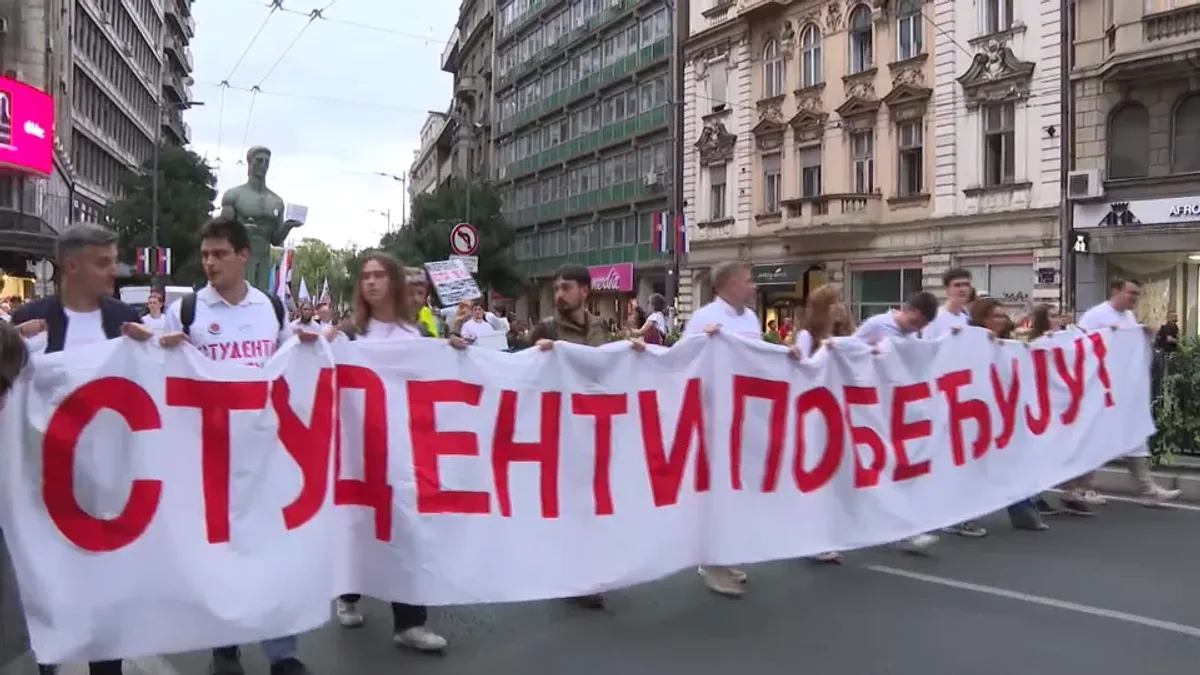
In his words, depoliticization means above all returning to work those who lost their jobs over the past two years for backing the student and citizen protests. The second part concerns hiring now under way in some state institutions and public companies. Reljanovic argues that it does not follow real needs and is meant to make the handover of power harder, so it will be reexamined.
Changes to the rules, he stressed, will not be rushed. International labor standards call for consultations with social partners, which is why the changes are planned over the medium term, through several laws: on labor, on the labor market, on the position of persons with disabilities in the labor market, and on strikes. “At the same time, work will begin on complementary activities to change economic policy and draft a new labor law, with active consultations with all relevant partners,” Reljanovic said.
A four-day work week without a pay cut
The new Labor Law, he announced, will make a four-day work week possible. Employers and unions would adapt the model to the sector they work in. Employees would still work full time, just distributed differently.
“The only rule imposed through the law will be that shortening full-time work must not mean a reduction in pay,” Reljanovic said.
Subsidies, factories and the Draexlmaier case
Asked whether the state will keep subsidizing foreign investors for every job they open, Reljanovic answered that the policy has proved senseless and economically unprofitable, so it will certainly not continue in its current form. He added that this does not mean withdrawing support from the economy:
“That does not mean, however, that the state will stop supporting the economy. Subsidies will not be limited to foreign investors; on the contrary, there are plans to sharply increase investment in the domestic economy.”
Speaking about announced factory closures, Reljanovic blamed the outgoing government and its economic policy of the past 14 years for the possible loss of jobs. “Its effects began to be felt several years ago, and the current announcements of departures are just a continuation of that wave of failure,” he said. As an example he named the Draexlmaier factory in Zrenjanin, which announced in 2025 that it would cut production and gradually shut down. In his reading, its departure has nothing to do with the change of government and everything to do with the “race to the bottom” concept, that is, attracting foreign investment at any cost.
Workers at factories that are closing, he warned, get no stronger protection from dismissal under the current Labor Law, and short-term support mostly depends on the bargaining power of the unions. After a snapshot of unemployment is taken, emergency retraining programs will be assessed.
Labor inspectorate, foreign workers and the National Employment Service
Under Reljanovic’s plan, the labor inspectorate gets broader powers, stronger internal control and zero tolerance for corruption and pressure on inspectors. “The goal is to increase the number of labor inspectors and give them better working conditions than they have now,” he said. He singled out construction and large manufacturing systems as the most at-risk sectors, mainly because of workplace safety.
For foreign workers, who he says often work in conditions of modern slavery, a separate set of emergency measures has been prepared.
The National Employment Service will be changed from the ground up. As a medium-term measure, a labor market institute is planned to take over its analytical work. Reljanovic says analyses have been prepared on extending unemployment insurance and on the results of active employment measures. “The approach will be completely changed, focusing on individual support for every unemployed person, which is practically absent now,” Reljanovic said.
The outgoing government’s response to these claims was not available by the time of publication.