BiH Certifies Candidates for Republika Srpska and Presidency
BiH's Central Election Commission has certified the candidate lists for the October 4 vote: twelve names for president and vice presidents of Republika Srpska, ten for the three member Presidency.

On August 18, Bosnia and Herzegovina’s Central Election Commission (CIK) certified the complete candidate lists for the general elections scheduled for October 4, settling who will compete for the top posts in Republika Srpska and for the country’s three member Presidency. The outcome is not a minor detail for Belgrade: Republika Srpska is home to the largest number of Serbs west of the Drina River, and Banja Luka’s relations with Sarajevo and Brussels directly shape Serbia’s foreign policy toward the region.
Who is running for the top of Republika Srpska
Four candidates filed for the post of president of Republika Srpska. Sitting Prime Minister Savo Minic is running for the SNSD, while the Serb Democratic Party (SDS) is fielding Branko Blanusa. They are joined on the ballot by Bogdan Jovanovic, leader of the Zivot party, and independent candidate Marko Jorgic.
Eight candidates are competing for the two vice president seats. For the vice president position reserved for the Bosniak people, incumbent Camil Durakovic is running again, this time as an independent, against Ramiz Salkic of the SDA, Begija Smajic of the Party for BiH, and Prijedor businessman Jusuf Arifagic of the People and Justice party. Four names filed for the Croat vice president seat: Ivan Begic of the SDP BiH, Igor Balukcic of HDZ 1990, Franjo Jukic, running for a broader coalition gathered around the HDZ BiH, and Ivo Kamenjasevic of the Croatian Peasant Party.
Ten names for the BiH Presidency
Ten people filed for the three member BiH Presidency. One member is elected from the territory of Republika Srpska, and two from the Federation of BiH. Three candidates are seeking the Serb seat: Zeljka Cvijanovic, the current Presidency member who served as president of Republika Srpska from 2018 to 2022; Marinko Bozovic, the longtime SDS mayor of Istocna Ilidza; and Nebojsa Vukanovic, leader of the List for Justice and Order.
Four candidates are seeking the Bosniak seat: incumbent Presidency member Denis Becirovic, SDA leader Bakir Izetbegovic, Party for BiH president Semir Efendic, and SBB leader Fahrudin Radoncic. Three names filed for the Croat seat: Darijana Filipovic of the HDZ BiH, Zdenko Lucic, one of the party’s founders who is now running independently of it, and Slaven Kovacevic, foreign policy adviser to Democratic Front leader Zeljko Komsic.
What comes before the October 4 vote
The election campaign opens on September 4, a month before the vote. Part of the preparation for the diaspora vote was actually finished earlier than the fresh news about the candidate lists might suggest: back on July 30, CIK decided to add 48,074 voters to the excerpt from the Central Voters’ Register for voting outside BiH, while it rejected 5,263 applications from people with temporary residence status and 285 applications from displaced persons for failing to meet the conditions set out in the Election Law. Earlier, CIK had also certified 64 compensatory lists carrying a combined 773 candidates from 36 parties and coalitions, used to fill part of the seats in the Republika Srpska National Assembly.
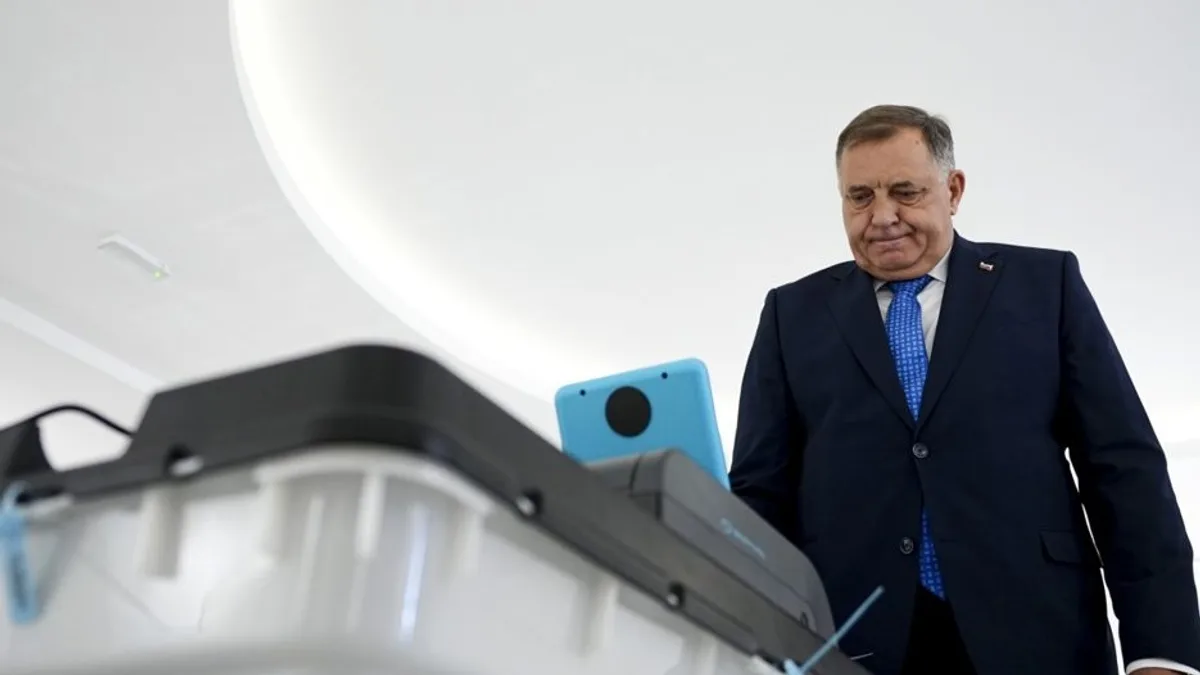
Srpske.rs previously reported that citizens of Bosnia and Herzegovina will vote using scanners and fingerprint identification for the first time in the upcoming elections, a change CIK introduced after years of debate over electoral fraud. With the lists now certified, attention shifts to the campaign starting in two weeks, and the first real test will be whether the opposition in Republika Srpska can unite votes against the SNSD, which is fielding a single candidate for each of the three most important posts.