EU adds nearly 1,600 names to Russia sanctions list
EU foreign ministers adopted the largest single expansion of the sanctions list since the war in Ukraine began, and more than half of the new entries relate to ballistic missiles.
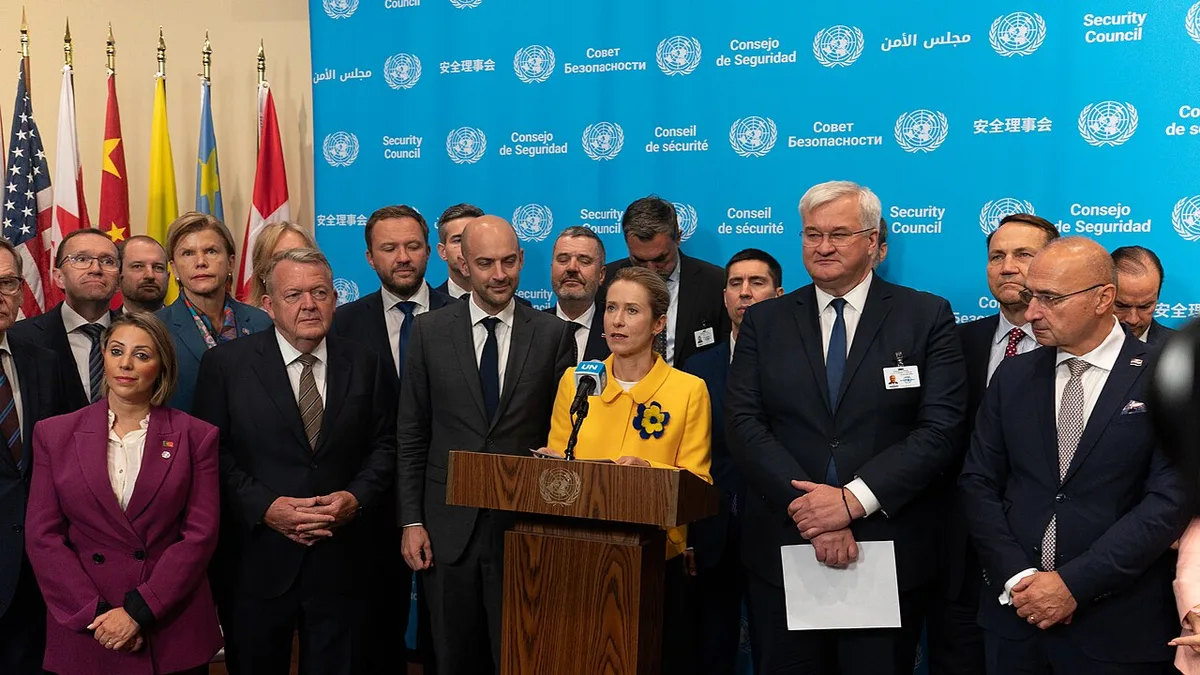
The European Union on Monday, October 12, 2026, expanded its Russia sanctions list by nearly 1,600 names from the defense industry. For Belgrade this is not a distant story: Serbia is a candidate for membership, it is expected to align its foreign policy with Brussels, and it has not imposed sanctions on Moscow.
What exactly was added to the list?
Foreign ministers of the member states adopted the expansion, which brings nearly 1,600 new names tied to Russia’s military industry. More than half of the new entries concern the production chain for ballistic missiles. The decision was announced publicly by Kaja Kallas, the EU’s High Representative for foreign affairs and security policy, in a post on X.
Kallas described the expansion in these words:
“This is the largest single expansion of our sanctions list since Russia started the war.”
Her yardstick is February 2022, when the war in Ukraine began. By her assessment, no earlier package added so many names at once. If more than half of the nearly 1,600 entries relate to ballistic missiles, that means over 800 names in that production chain alone.
How does Brussels explain the aim of the new measures?
In the same post, Kallas set out what the move is meant to achieve:
“We are making it much harder, slower and costlier for Russia to produce the weapons it uses to kill Ukrainians.”
She added that Europe is once again showing a united position. As the structure of the list shows, the emphasis falls on the ballistic missile production chain, which accounts for more than half of the new entries.
Chemical weapons: a separate framework extended for five years
On the same day, and independently of the Russia list, the Council of the EU extended by five years, to October 30, 2031, its sanctions framework covering the proliferation and use of chemical weapons. Individual listings under that framework were extended by one year, to October 30, 2027. The list currently includes 31 individuals and six legal entities.
The measures are the same for everyone on the list:
- their assets are frozen,
- EU citizens and companies are barred from making funds available to them, directly or indirectly,
- individuals are banned from entering the European Union.
The two dates, 2027 for individual listings and 2031 for the framework itself, set when the Council decides on the regime again. This is a separate decision from the Russia list, taken on the same day, and the two should not be confused: one concerns Russia’s military industry, the other the proliferation and use of chemical weapons.