Air Serbia Bars Montenegrin Fans From Larnaca Flight
The airline cites safety and suspected alcohol use, the fan group says police recorded no offense, and Podgorica wants an official explanation.
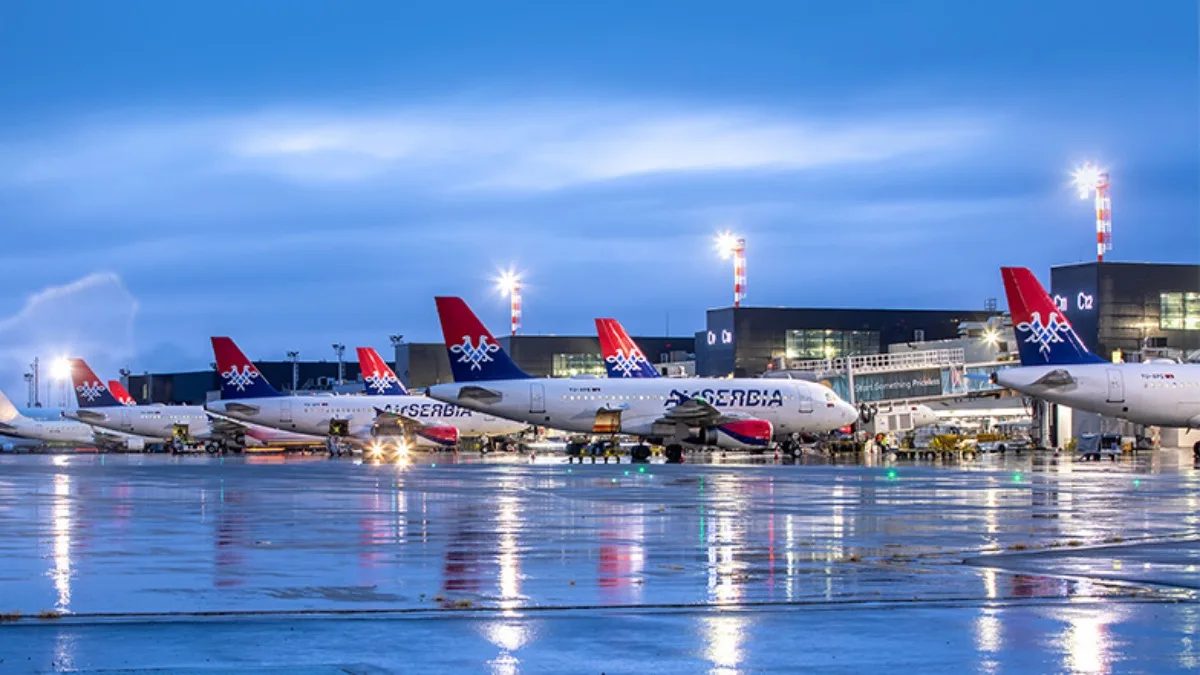
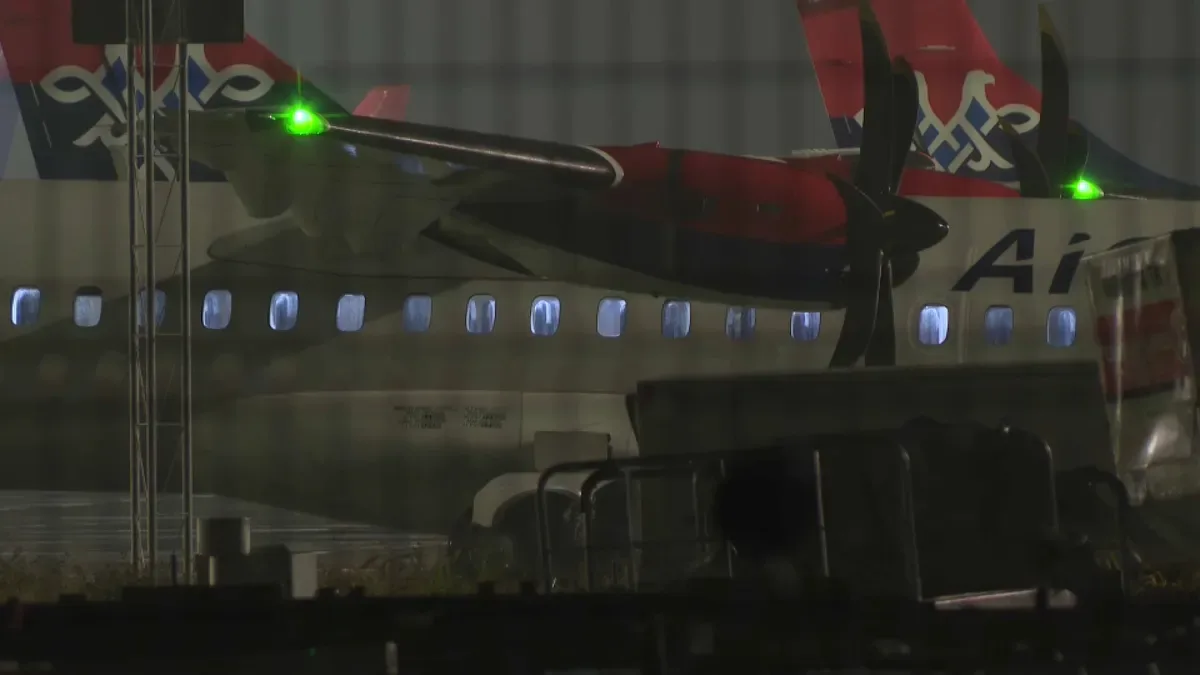
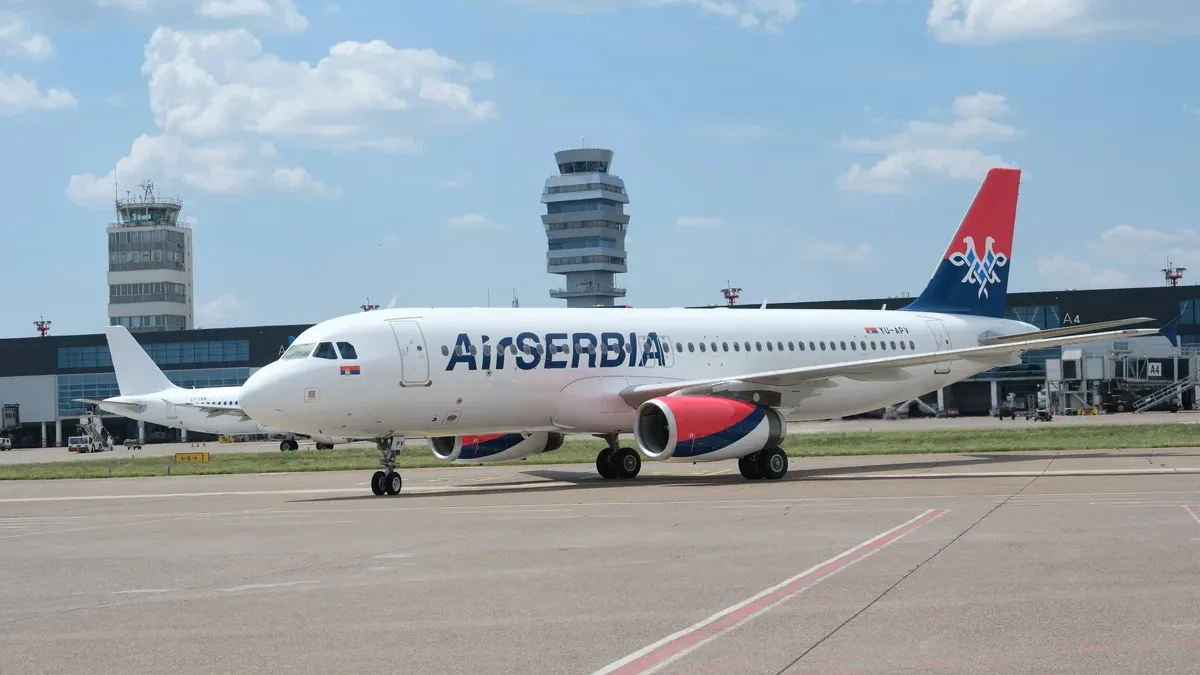
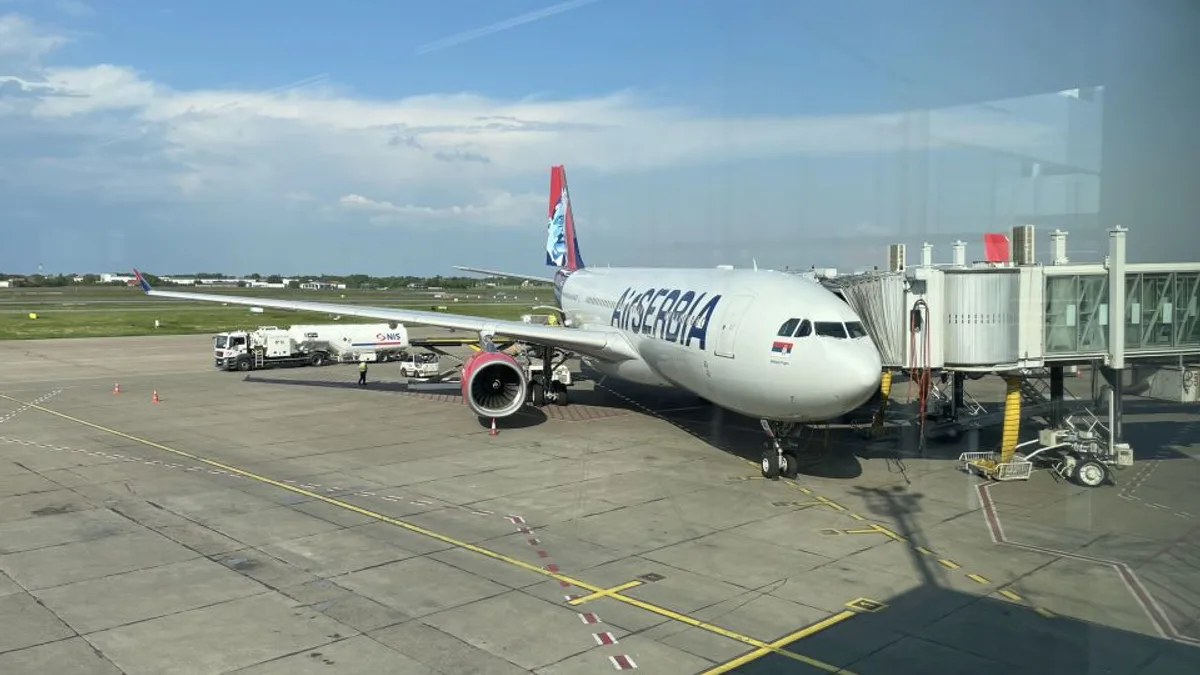
Serbia’s national carrier, Air Serbia, refused to board a number of Montenegrin football fans on flight JU486 from Belgrade to Larnaca on Friday evening, November 13. The next day, Montenegro’s Foreign Ministry announced that it would ask the Serbian authorities for an official explanation through its embassy in Belgrade. The case has moved from Nikola Tesla Airport into diplomatic channels between the two countries, and on the day of the match the fans were traveling for: Cyprus and Montenegro play today, November 15, at 3 p.m. in Larnaca, and Montenegrin media report that a win would open the door to a playoff.
Who was traveling, and where to?
According to the portal Nova.rs, the group consisted of about twenty Montenegro national team supporters from Podgorica and Niksic, who were due to change planes in Belgrade for the flight to Larnaca. They were heading to the final round of the Nations League in Division C. Air Serbia and the Montenegrin ministry do not say how many passengers were involved and mention only “a number” of them, while the fan group Ultra Crna Gora claims that every passenger with a Montenegrin passport in their group was turned away.
What does Air Serbia say?
In a statement, which Nova.rs also published, the company described the decision as a safety measure:
“The decision not to board a number of passengers was made solely on the basis of a flight safety assessment and in line with applicable international aviation regulations and operating procedures.”
According to the same statement, the crew reported concerns before boarding began about the behavior of a group of passengers in the gate area, including circumstances that, in the crew’s assessment, pointed to possible alcohol consumption and a potential impact on the safe operation of the flight. Air Serbia notes that under international rules the captain has final authority to decide whether a passenger is acceptable for carriage, and says such decisions are made regardless of citizenship or nationality. The statement also includes the line: “The safety of passengers and crew is Air Serbia’s highest priority.”
The company does not name the captain, does not say how many passengers were refused, and does not say whether the suspicion of alcohol use was checked with a test.
What do the fans claim?
Ultra Crna Gora issued a statement saying that last night every passenger with a Montenegrin passport from their group of supporters was sent back from the Belgrade airport. The group raises two questions: whether the reason was the song “Lijte kise”, which the fans sang, or the golden eagle on the cover of Montenegrin passports, and whether a sweatshirt reading “Delije Sever” is part of the official uniform of Nikola Tesla Airport staff. The group itself names the pilot who, it says, refused to carry the passengers from Montenegro, while the company’s statement mentions no individual.
The disputed point is the police record, on which the group writes:
“We particularly stress that the police at Nikola Tesla Airport did not record a single offense by our fans. So the question is on what basis the decision to deny passengers transport was made. We expect Air Srbija and the relevant services to explain to the public what really happened.”
The fans add that “every passenger has the right to dignified and equal treatment, regardless of which passport they carry,” and announce their response with the words: “Our response will be a boycott of Air Srbija.” Air Serbia’s statement does not address the police record.
What is Podgorica asking for?
Montenegro’s Foreign Ministry, headed by Ervin Ibrahimovic, said on November 14 that it would ask Serbian authorities, through the Montenegrin Embassy in Belgrade, for an official explanation of Air Serbia’s decision, along with the specific reasons passengers were not allowed to board. The ministry says the embassy contacted representatives of the fan group as soon as it learned of the incident and took the measures within its remit. The ministry’s statement also cites the company’s own response, then announces that it will seek further clarification to establish all the circumstances of the event.
The statement adds: “The Ministry will continue to monitor the situation and will inform the public in a timely manner of any relevant findings, remaining committed to protecting the rights and interests of Montenegrin citizens abroad.”
The request is therefore addressed to Serbian state bodies and not to the company itself, even though the refusal to board was announced by the carrier. The statement does not say which body the embassy will approach.