Drug ring busted in Belgrade and Novi Sad
Serbia's organized crime unit and the Belgrade prosecutor's office arrested the alleged leader and members of a group, seizing over five kilograms of drugs, cash, gold coins and a revolver.
- The organized crime unit and the Belgrade prosecutor's office arrested alleged organizer M.G., 27, and five group members.
- Police seized about 2,250 grams of cocaine, 3,200 grams of marijuana and a small amount of MDMA, with a street value of roughly 200,000 euros.
- Investigators also found 74,115 euros, 594,000 dinars, 60 gold coins and a revolver with six rounds.
- The group is charged with illegal drug trafficking and operated in both Belgrade and Novi Sad.
Serbia’s Service for Combating Organized Crime and the Higher Public Prosecutor’s Office in Belgrade have broken up a criminal group that, according to investigators, sold cocaine and marijuana in Belgrade and Novi Sad. In a coordinated operation, police arrested the alleged organizer and several members, and seized a large quantity of drugs, cash and gold coins.
The alleged organizer is identified as M.G., 27. The members named as suspects are J.K., 23, A.P., 27, I.S., 25, D.S., 23, and S.P., 27. An international arrest warrant has been issued for one suspect, according to the statement. Prosecutors have not established guilt, so all of the above rests on reasonable suspicion.
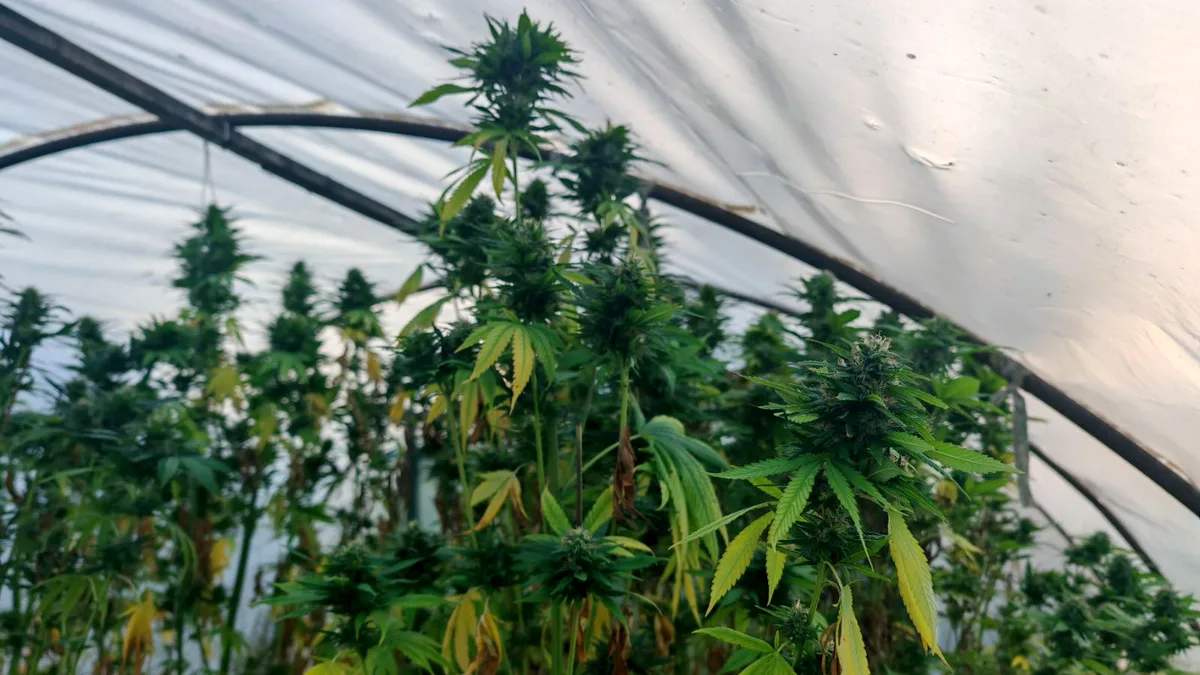
Searches at several locations turned up about 2,250 grams of cocaine, around 3,200 grams of marijuana and a small amount of MDMA. The total street value of the seized drugs is estimated at about 200,000 euros, making it one of the larger seizures across the two cities in recent months.
Beyond the drugs, police found 74,115 euros, 594,000 dinars, 60 gold coins and a revolver loaded with six rounds. Investigators link the money and gold to the drug trade, while the weapon brings the organizer an additional charge of illegal possession of firearms and ammunition.
How did the group operate across two cities?
Based on the evidence so far, the group was set up so that drug dealing ran in Belgrade and Novi Sad at the same time. The organizer is suspected of coordinating supply and distribution, while members handled specific roles in moving the product. That division of labor makes police work harder, because the activity is not tied to a single location.
The seizure of gold coins and large sums of cash in two currencies points to how, according to prosecutors, money earned from drug sales was stored and moved. Gold and foreign currency are among the most common forms in which organized groups hold illicit proceeds, since they are easier to hide and transfer than bulky stacks of dinars.
The international warrant for one suspect shows that part of the investigation crosses Serbia’s borders. Cooperation with foreign agencies in such cases can take months, and any extradition is decided by the courts of the country where the suspect is found.
What happens after the arrests?
After questioning, suspects are typically placed under a measure to secure their presence in the proceedings, most often detention of up to 30 days in organized crime cases. Within that period prosecutors gather evidence, order forensic analysis of the seized drugs and establish each suspect’s role before filing an indictment.
The burden of proof rests with the prosecution, and the suspects have the right to a defense and are presumed innocent until guilt is established by a final verdict. The classification of the offense and the potential sentence depend on the amount of drugs and the role within the group, which will be the focus of the proceedings ahead.
Illegal drug trafficking cases handled as organized crime usually run longer than ordinary criminal proceedings, since they involve several defendants and a larger body of evidence. Will the investigation reveal who stood above this group in the supply chain?