Serbia and Germany bust drug ring, nearly 700kg cocaine seized
Serbia's Criminal Police Directorate and German police seized close to 700 kilograms of cocaine, with ten people arrested across the two countries so far.

- Close to 700 kilograms of cocaine was seized, with 636kg in Germany and 35.6kg in Serbia.
- Three people were arrested in Germany and seven in Serbia so far, ten in total.
- The cooperation began in early 2025 after a routine customs check in Munich.
- Two firearms were also seized during the operation in Germany.
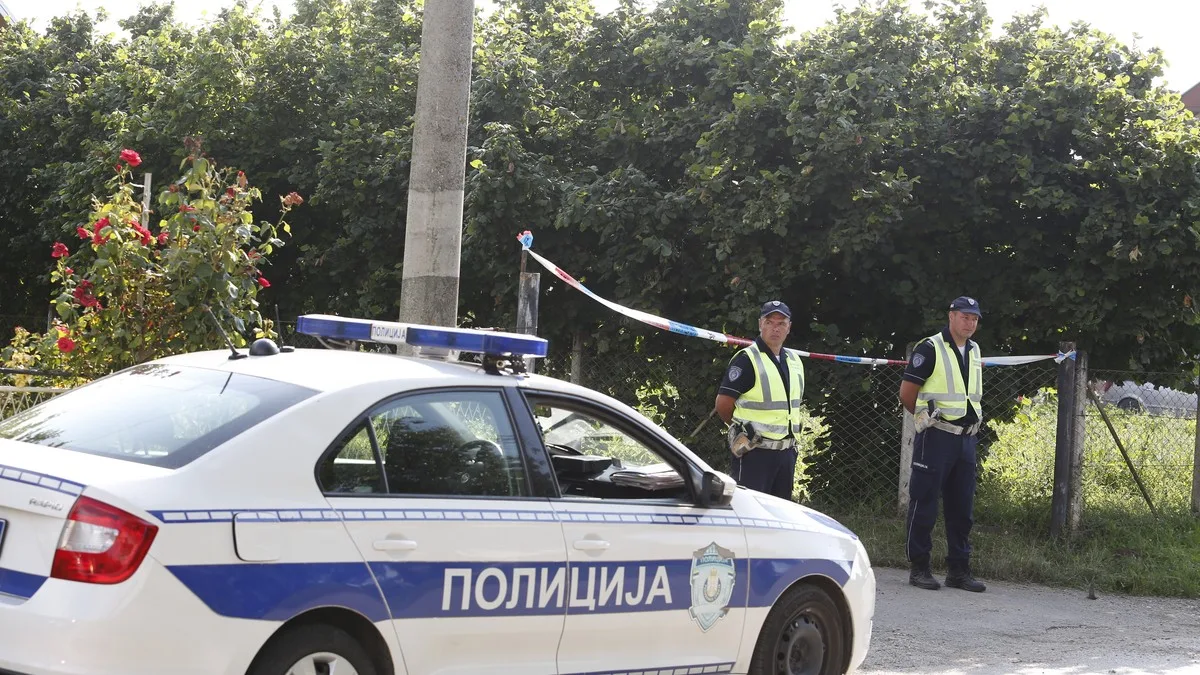
Serbia’s Criminal Police Directorate (UKP) and German police have dismantled an organised cocaine-smuggling group. The Serbian Interior Ministry announced the results of the joint operation on June 16. In total, close to 700 kilograms of cocaine was seized.
The largest share of the drugs was found in Germany. Officers seized 636 kilograms of cocaine in North Rhine-Westphalia. A further 35.6 kilograms was recovered in Serbia. Two firearms were also found during the German operation.
According to the Interior Ministry, three people were arrested in Germany, identified by the initials B. P, D. J. and F. U. Seven people have been arrested in Serbia so far. None of the suspects has been convicted, and the prosecution is continuing to gather evidence.
How did a routine check open the whole case?
The case began with a seemingly minor incident. In early 2025, customs officers in Munich stopped a vehicle during a routine check. Inside, they found 16.5 kilograms of cocaine. That discovery did not stay isolated.
The trail from Munich led investigators to a group operating in western Germany. Step by step, a network emerged whose channels reached as far as Serbia. Cooperation between the two police forces deepened over the course of the year.
After months of checks, a coordinated operation followed in both countries. Searches were carried out simultaneously at several locations. That led to a seizure many times larger than the original Munich find.
This kind of development is not unusual in organised-crime cases. A single seized package often opens up a wider picture. Investigators track financial flows, communications and logistics to map the entire structure.
What does the case say about cross-border cooperation?
The Interior Ministry says the operation shows the role of Serbian police as a reliable partner in the international fight against drug smuggling. Smuggling routes rarely respect national borders, so the response must be cross-border too.
Cocaine reaching Europe usually passes through several countries before it hits the street. Breaking up one group strikes the chain at several points at once. A quantity of nearly 700 kilograms is a serious blow to the organisers.
The investigation is still under way. The number of arrests in Serbia could change as new evidence is gathered. The prosecution will decide on further steps based on forensic findings and analysis of the seized material.
For now, the fact remains that a single routine check at the German border grew into one of the larger cocaine seizures of recent times. Will joint operations like this become the rule in the fight against drug networks in the Balkans?