

Novi Sad: two more arrested over MUP data leak
Prosecutors in Novi Sad widened their probe and arrested two more people suspected of involvement in issuing genuine Serbian biometric documents with false content for crime bosses.
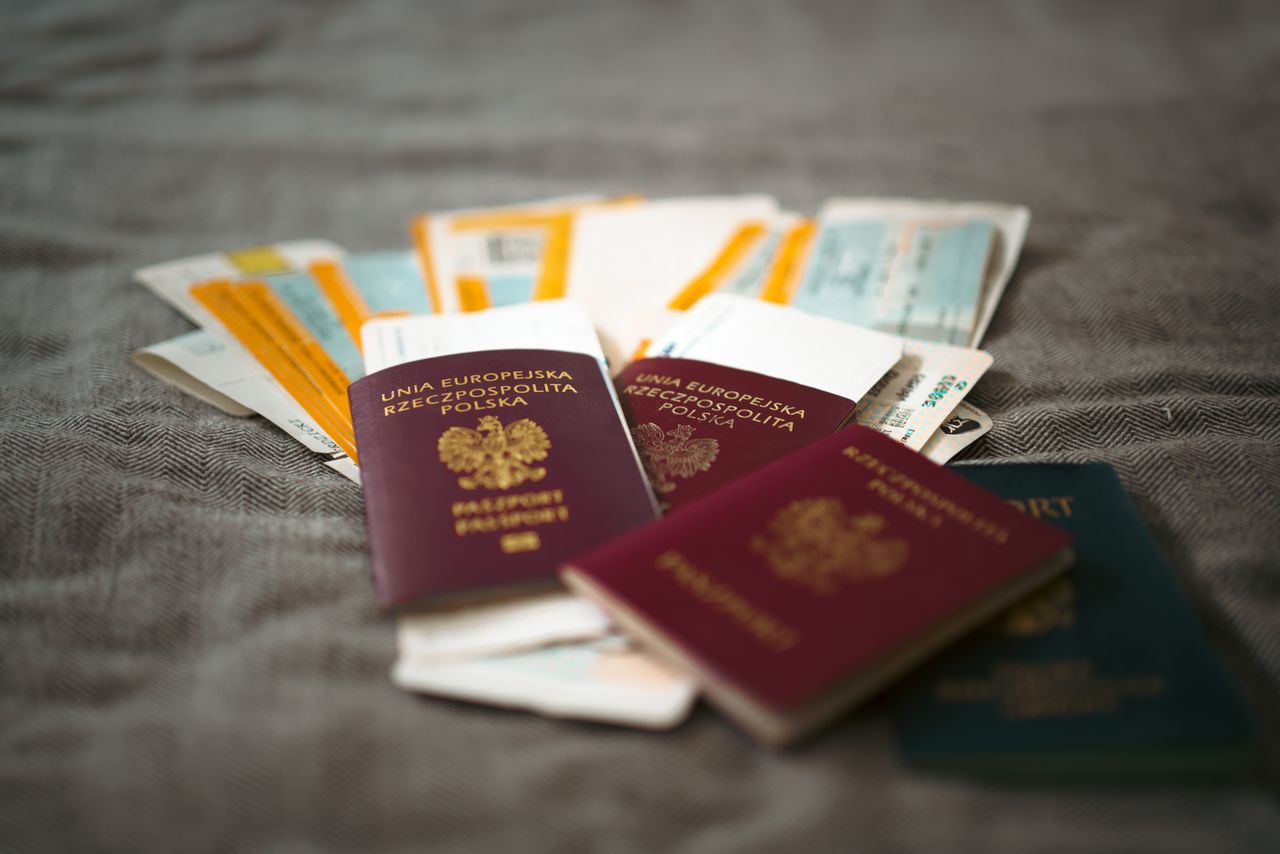
- The Higher Public Prosecutor's Office in Novi Sad arrested two more people on June 18, continuing an operation that began on June 9.
- A police officer, Z. D. (53), is suspected of repeatedly using his security code to access the Interior Ministry's central information system between December 2022 and November 2025.
- The group's goal was reportedly to obtain genuine Serbian biometric documents carrying false data for fugitive foreign nationals and crime group leaders.
- In the first phase on June 9, 12 people were arrested and held for up to 48 hours.
The Higher Public Prosecutor’s Office in Novi Sad, through its Special Department for Suppression of Corruption, resumed on June 18 an investigation it had launched nine days earlier. In the new phase of the operation, two more people were arrested, widening the circle of suspects in a case built around leaked Interior Ministry (MUP) data and the issuance of identity documents with false content.
The suspect identified as S. A. is charged with incitement to abuse of office and incitement to procuring the certification of false content. The second person arrested, B. S, faces a charge of incitement to procuring the certification of false content. Prosecutors say their role was to connect the end users of the fake documents with the person who had access to a closed state system.
No suspect’s guilt has been established by a final court ruling. At this stage of the proceedings, those arrested are presumed innocent until proven otherwise.
How was the system allegedly misused?
At the center of the case is a MUP police officer, Z. D. (53). According to prosecutors, he repeatedly used his security code to gain unauthorized access to the Interior Ministry’s central information system. Prosecutors specify that this happened over a long period, from December 2022 to November 2025.
The data he gathered was, the investigation alleges, made available to third parties. Among the recipients, prosecutors say, were foreign nationals and leaders of criminal groups, including people listed on national and international wanted notices. The information allowed documents to be issued in the names of real citizens whose identities were misused.
The group’s aim, prosecutors say, was to obtain genuine Serbian biometric documents, passports and identity cards, but with false data. Such documents are authentic in their production and security features yet false in content, which makes them a particularly dangerous tool for people trying to conceal their identity or evade arrest warrants.
What happened in the first phase?
The first phase of the operation was carried out on June 9, when 12 people were arrested. The suspects were held for up to 48 hours and then, under standard procedure, brought before the competent prosecutor and a judge for preliminary proceedings. The two new arrests, nine days later, show the investigation has stayed open and that the network of suspects is still being mapped.
The case is led by the Special Department for Suppression of Corruption, which signals that the alleged misuse is not being treated as an isolated incident but as a possible systemic leak from within the institution. Access controls on closed state databases, and the records of who opened which files and when, are likely to be central evidence given the nature of the charges.
So far there has been no word on whether further arrests are expected, or on how many documents were allegedly issued on the basis of false data. The case remains at the investigative stage, and its course will depend on forensic analysis and the evidence gathered.
How much does public trust depend on keeping the data inside state systems safe from misuse from within?


