Legija to Stay in Serbia's „Alcatraz” Two More Years
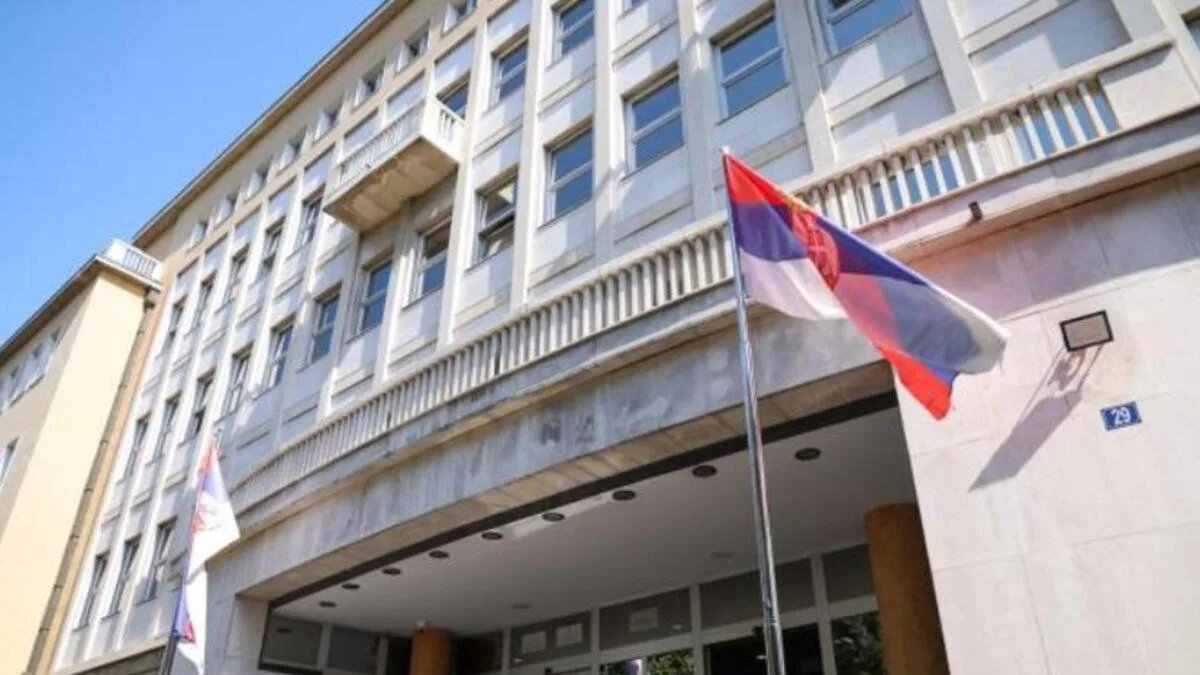
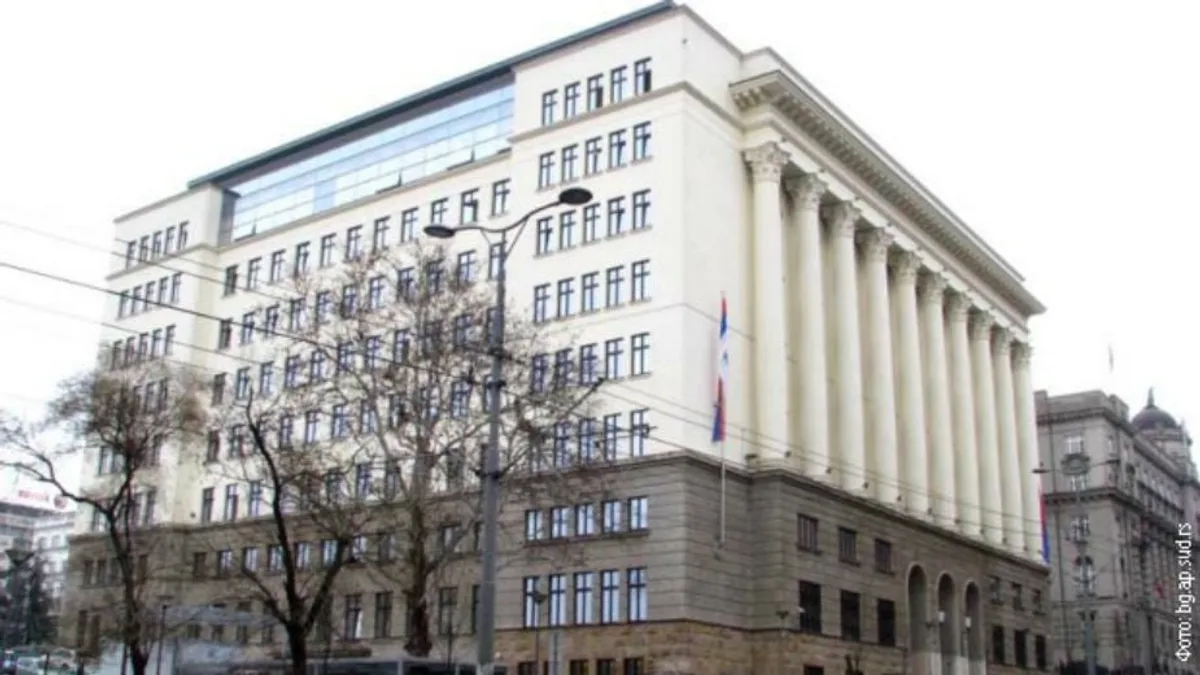
The Higher Court in Belgrade rejected Milorad Ulemek Legija's request to leave the top-security wing of Zabela prison. He may appeal the decision.

- On July 3, 2026, the Higher Court in Belgrade rejected Milorad Ulemek's request to leave the special wing of Zabela prison.
- Ulemek has been held in „Alcatraz” since 2010, as the very first inmate of that wing.
- Every two years a court reviews whether the convict remains under the enhanced regime.
- The ruling is not final; the defense may appeal to the Court of Appeals.
The Higher Court in Belgrade ruled on July 3, 2026, that Milorad Ulemek will remain in the special organized-crime wing of the Zabela correctional facility near Pozarevac. The public has long known that wing by its nickname, „Alcatraz”. The court thereby rejected the defense’s request to transfer the convict to a facility with milder conditions.
Ulemek, 58, has been held in that part of Zabela since 2010. He was placed in the special wing on July 11 of that year, as the first inmate for whom the regime was ever applied. He is serving a single prison sentence of 40 years, handed down across several criminal proceedings that have marked the Serbian judiciary over the past two decades.
Why is the decision being made now?
Placement in the enhanced regime is not automatically permanent. The law requires the competent court to review at regular intervals whether the conditions for such a strict form of imprisonment still apply. As a rule, that review is carried out every two years. The court then weighs the prison’s security assessments, the convict’s conduct and the overall circumstances of the case, and decides whether he stays in the special wing or moves to a facility with milder conditions.
This time the court kept the existing arrangement in place. Security reasons were cited as the key factor, and for this category of convict they continue to outweigh requests to ease the regime. The defense, for its part, argued that the circumstances have changed significantly in the meantime.
According to the defense, Ulemek now spends several hours a day outside his cell, has access to phone calls and holds a work assignment within the facility. From that, it argued that the strictest form of isolation is no longer necessary. The court, however, did not accept those arguments as sufficient to alter the current regime.
What „Alcatraz” means in the Serbian prison system
Zabela’s special wing is described as the best-secured part of any prison unit in Serbia. The space is under constant video surveillance, ringed by high walls and guard towers, with strictly limited movement of inmates. It holds convicts for the gravest crimes, above all those tied to organized crime.
For Ulemek, this effectively means that, after sixteen years in the special wing, he will remain there for at least two more years, until the next statutory review. The Higher Court’s decision is not final. The defense retains the right to appeal to the Court of Appeals in Belgrade, which will have the final say on whether the grounds for extending the strict regime are being assessed correctly.
Until the appeal is resolved, Ulemek’s legal status does not change. He remains in the same cell, under the same surveillance and with the same conditions as in previous years. How long his stay in „Alcatraz” will actually last will depend on the higher court’s assessment, but also on each subsequent routine review that the law provides for.
Should a strict prison regime be extended for the duration of a sentence, or should it be reassessed in a different way after a certain number of years?