Zrenjanin Landfill Fire Contained, Negligence Suspected
A fire spread by wind from nearby fields, where plant debris was being burned, reached the city landfill in Zrenjanin. More than 20 firefighters and 11 vehicles battled the blaze.

- A fire at the Zrenjanin city landfill was contained on July 11, the same day it broke out.
- More than 20 firefighters and 11 vehicles and work machines took part in the response.
- The fire first started in nearby fields, and strong wind carried the flames to the landfill.
- Local authorities attribute the cause to human negligence while burning plant debris.
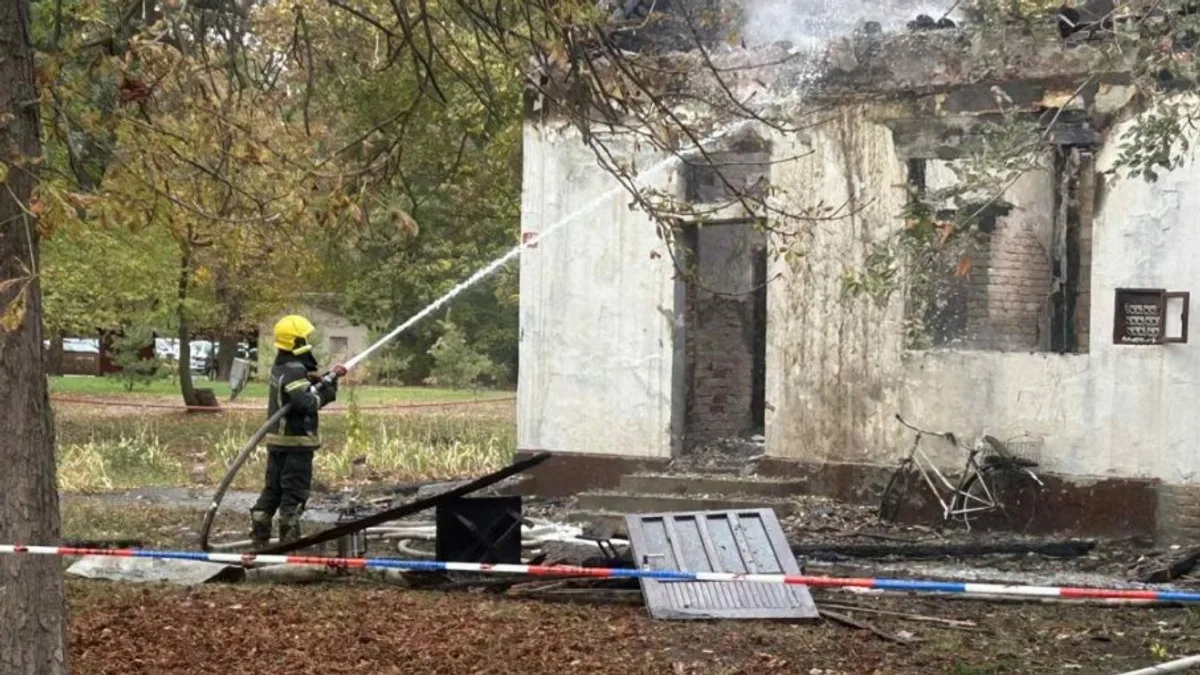
A fire that engulfed the city landfill in Zrenjanin was put out on July 11, after hours of battling the flames. The blaze first broke out in nearby fields. Strong wind then carried the flames onto the landfill itself. More than 20 firefighters and 11 vehicles and work machines were deployed at the scene.
The intervention was demanding from the start. The fire spread across a large area, and the wind made it harder to contain. Work machines piled soil onto the fire site to stop it from spreading further. That move ultimately proved decisive in bringing the blaze under control.
How did the fire reach the landfill from a field?
According to local authorities, the cause is human negligence. Plant debris was being burned on plots near the landfill. Open-field burning is prohibited, especially during the harvest season. Dry vegetation and high temperatures further help a fire spread quickly.
The wind blew hard that day. Flames from the field crossed to the landfill rapidly, where piled-up waste became extra fuel. Heaped garbage burns slowly but long and stubbornly, so the cleanup also took a great deal of time. Authorities are urging residents not to burn vegetation in the open.
A demanding intervention over a large area
Professional and volunteer firefighters took part, along with workers from the local utility company. The Melenci volunteer fire brigade sent five members. Firefighter Maja Mirkov described the intervention as exhausting and long.
The crews worked in protective masks. The burning waste at the landfill produced thick, toxic smoke. That made staying at the fire site even harder, and crews had to rotate often. Even so, the fire was stopped from spreading, and greater damage was prevented.
Fires like this are not rare in summer. Burning stubble and plant debris triggers a series of interventions across Vojvodina every year. Nearby buildings and infrastructure often bear the consequences. This time, thanks to a swift response, the landfill was saved from being fully consumed by the flames.
How many more times must it burn before open-air waste burning stops being a routine summer practice?