Belgrade: man, 67, dies in Vracar apartment fire
The owner of a ground-floor flat was found in the bathroom after a fire that broke out around 1 p.m. Residents say they smelled smoke as early as 8 a.m., but no one called the fire brigade.

- A man aged 67 died in a fire in a ground-floor flat on Vracar, at around 1 p.m.
- The body of the flat's owner was found in the bathroom, with a cut to the head.
- According to witnesses, residents smelled smoke as early as 8 a.m., but the fire brigade was not called until the flames broke out.
- A cigarette is the suspected cause. Police remained at the scene to carry out the investigation.
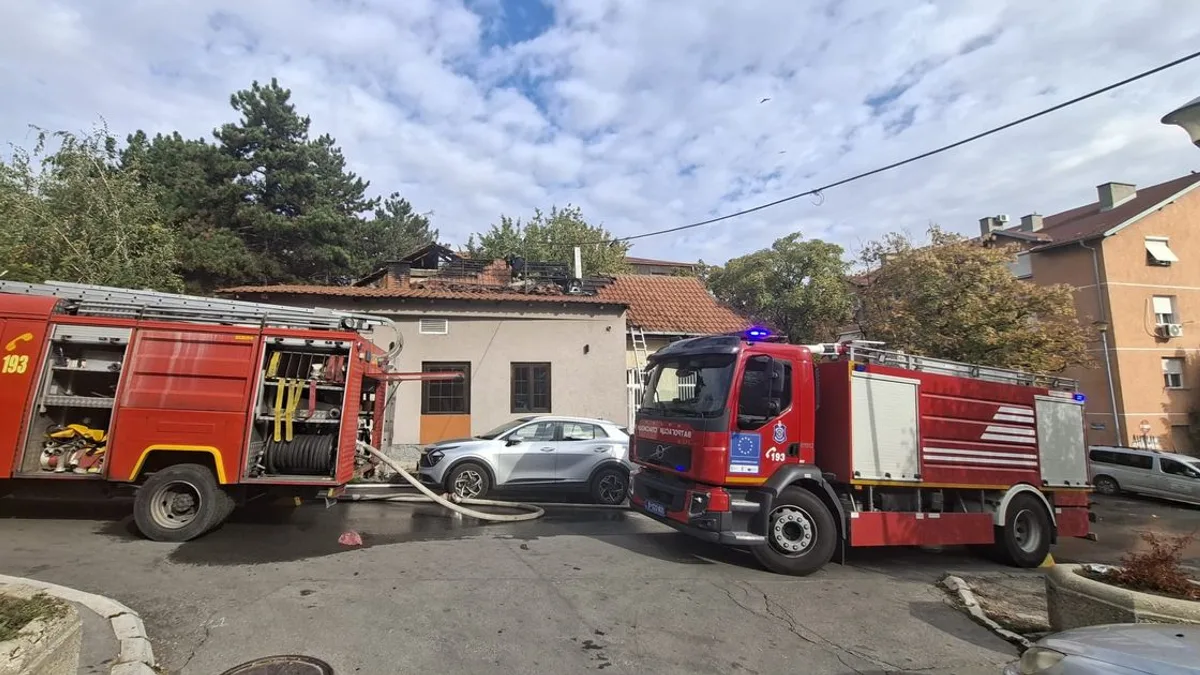
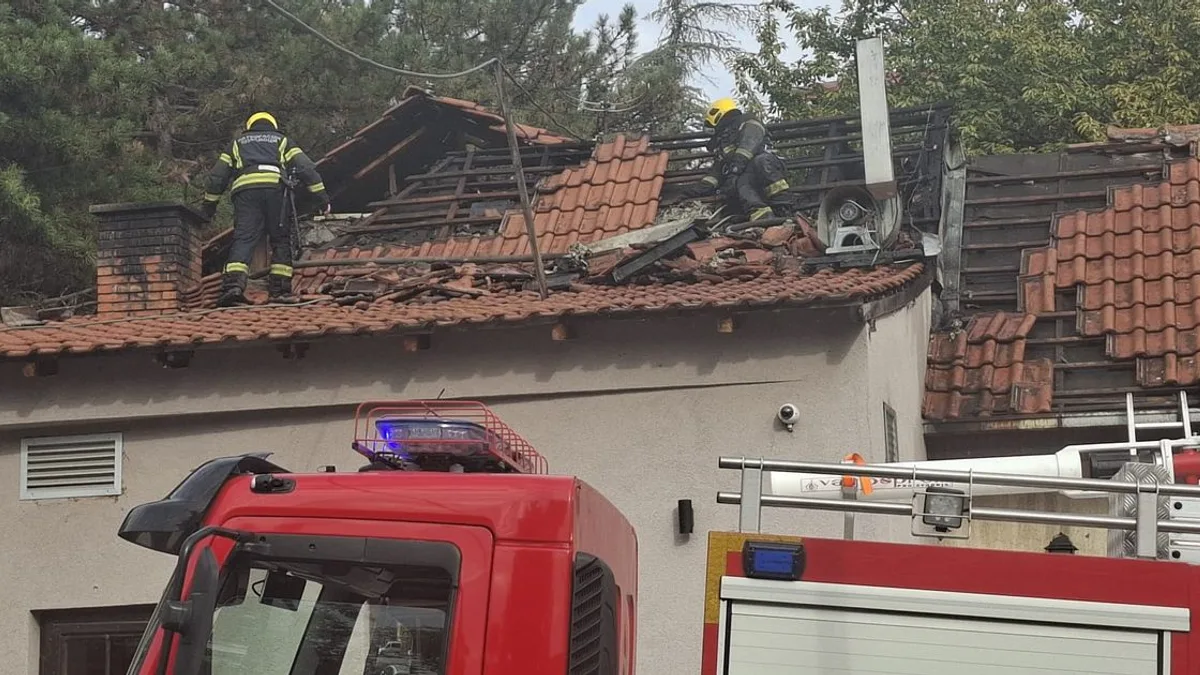
A 67-year-old man died in a fire that broke out in a ground-floor flat of a residential building on Vracar. The blaze started at around 1 p.m. The victim was the owner of the flat. His body was found in the bathroom, with a cut to the head.
Firefighters put the fire out completely. For the man inside the flat, however, help arrived too late. The crews who entered the rooms could only confirm his death.
He is believed to have lost consciousness and suffocated from the heavy smoke. The exact cause of death will be established after a forensic examination. A cigarette is reportedly being considered as the possible cause of the fire for now. Police units remained at the scene to conduct their investigation. No official findings have been released yet.
Five hours between the first smoke and the first call
The detail that sets this case apart came from witness accounts. Residents of the building say they smelled smoke as early as 8 a.m. The fire brigade was not called then. The call came only once the flames broke out, several hours later.
That means almost half a working day passed between the first smell of smoke and the first response. During that window, the fire was by all appearances smouldering. A smouldering fire is treacherous precisely because it does not look like a fire. No flames at the window, no noise, no sirens. Only a smell that is easily blamed on a neighbour, a barbecue or the wiring.
What was happening inside the flat during those hours, no one can say at this point. Nor is it known when the owner lost consciousness. The cut to his head may point to a fall, but that is a question for forensic experts, not for guesswork. It is the investigation that has to establish the sequence.
What can be said without speculation is that the window of time existed. Several hours in which help might have arrived. The word “might” here is not a softener. It is the only honest thing that can be written at this stage.
Why did no one call the fire brigade in time?
The answer is probably not negligence, but habit. The smell of smoke in a city building is an everyday thing. Few people pick up the phone because of it. There is also the quiet calculation we all know: it is awkward to call the fire brigade and end up being the one who raised the alarm over nothing.
In this case, that calculation was wrong. A fire brigade call-out over a false alarm costs one afternoon of embarrassment. Not calling cost a life.
The law holds no one responsible for failing to call the fire brigade. There are no suspects here and no proceedings against any resident. This is not a question of guilt, but of habit. The man who died lived on the ground floor, alone. There was no one to knock on his door and ask whether everything was all right.
Ground-floor flats in old Belgrade buildings have their own peculiarity. Smoke rises through them towards the upper floors, so neighbours often smell it before the resident in the flat itself realises what is happening. The person in the greatest danger is sometimes the last to know.
The investigation will show what set the flat alight, and at what time. What it will not be able to measure are the hours in which someone smelled smoke and decided it was not their business.
When you smell smoke in your building, how long do you wait before calling 193?