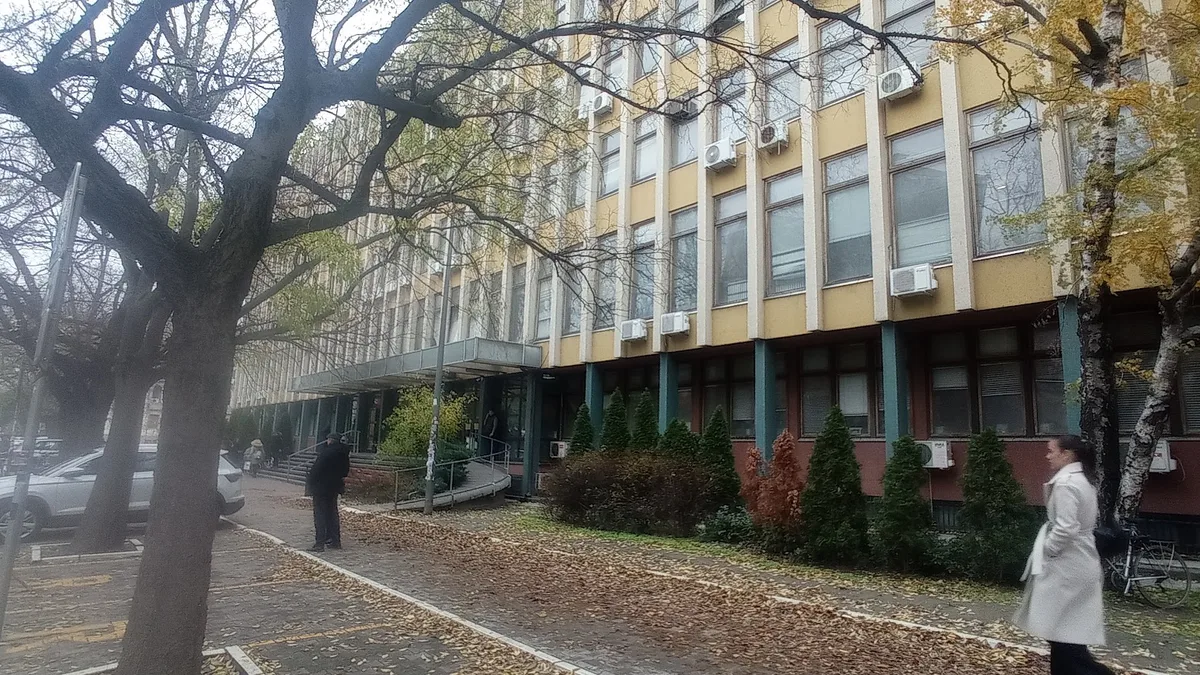
Surcin hostel raid: smuggling suspect held, 13 foreigners
Police, acting with a U.S. agency, checked an unregistered hostel in Surcin, found 13 foreign nationals and arrested a man suspected of human smuggling.

- Police checked an unregistered hostel in Surcin and found 13 foreign nationals, two of them hidden in the basement.
- A man identified as A. A. (36) was arrested on suspicion of human smuggling and illegal border crossing, with detention set for up to 48 hours.
- Officers found 42 travel documents and 28 ID papers issued by various foreign states.
- The operation ran with a U.S. agency; the property's tenant, a Chinese national, was also charged.
Police checked an unregistered hostel in Surcin, a district of Belgrade, and found 13 foreign nationals inside. Serbian police carried out the operation together with a U.S. agency. One man was arrested on suspicion of organizing human smuggling.
The property was operating without proper registration. When officers entered, they found a group of people housed in poor conditions. Two of the foreigners were hidden in the building’s basement. They are nationals of India and Pakistan.
What did police find inside the hostel?
Officers recovered a large number of documents belonging to other people. According to police, these were 42 travel documents and 28 ID papers. The documents were issued by various foreign states. Such a haul suggests the hostel may have served as a way station on a smuggling route.
Because of what was found, A. A. (36) was arrested. His nationality has not yet been officially announced. He is suspected of illegal border crossing and human smuggling. Authorities set his detention at up to 48 hours, after which the next step in the case will be decided.
Guilt has not been established by a final ruling. At this stage the matter rests on reasonable suspicion, and the final assessment lies with the prosecution and the court. Until then, the suspect is presumed innocent.
Charges were also brought against J. D. (51), a Chinese national listed as the tenant of the property. Further measures against him have not been confirmed. His role in running the unregistered hostel remains to be established.
Why does this operation matter more than a routine raid?
The involvement of a foreign agency sets this case apart from everyday checks. Cooperation between Serbian police and U.S. partners points to the case being viewed in a wider, international frame. Human smuggling is rarely tied to a single place or a single country.
The foreign nationals found are usually one link in a longer chain. Unregistered premises like this serve as temporary shelters between stages of a journey. That is why the investigation does not end with an arrest on the scene, but tracks the network behind individual cases.
The recovered documents will be examined further. Investigators will establish how they reached the property and whether they were used for false identification. How far the inquiry spreads depends on those findings.
The foreign nationals face identity and status checks. Some of them will likely be drawn into proceedings over their stay in the country.
Shutting one unregistered hostel is rarely the end of the story. How many more such places operate off the authorities’ books?