Woman, 22, Dies in Borca Crash, Passenger Critical
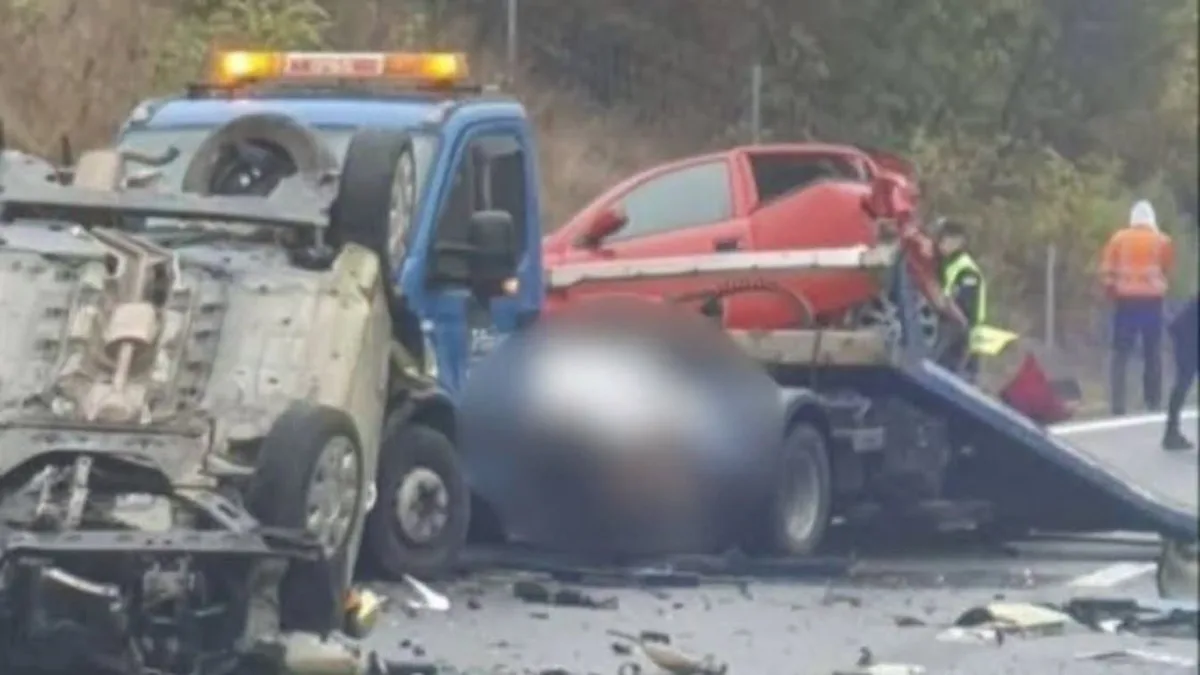
A car left the road in Borca overnight, struck a concrete pole and overturned onto its roof. The 22-year-old driver died of her injuries; a passenger, 23, is critically hurt.

- A car left the road in Borca, on the edge of Belgrade, at around 1:30 a.m.
- The vehicle hit a concrete pole and overturned onto its roof.
- The driver, identified as A. T. (22), died shortly after being admitted to the Emergency Center.
- A passenger, D. N. (23), was critically injured and kept for further treatment.
Another young life has been lost on Belgrade’s roads. Overnight between July 18 and 19, at around 1:30 a.m., a car left the roadway in Borca. The vehicle struck a concrete pole and, from the force of the impact, overturned onto its roof.
The driver, a young woman identified by the initials A. T. (22), suffered severe injuries. She was taken to the Emergency Center, where she died shortly after arrival despite doctors’ efforts. A passenger, D. N. (23), was also seriously hurt. She has been kept in hospital for further treatment.
The cause of the crash has not yet been officially established. Investigators carried out the on-scene examination, and the circumstances in which the car lost control and left the road will be the subject of further inquiry. No official statement on the investigation had been released by the time of writing.
What is known about the circumstances?
According to available information, the crash happened on a stretch of road running through a settlement on the city’s edge. The car left the carriageway for reasons not yet determined. A concrete pole stopped the vehicle, which then flipped onto its roof.
That outcome, a rollover and an impact with a solid obstacle, points to considerable force acting on the occupants. From such traces, police typically assess travel speed as well as other possible factors. Whether the cause was excessive speed, road conditions or something else will be shown by expert analysis.
At this stage, conclusions should not be prejudged. Fault, if any, is established through proceedings, not on the basis of first reports from the scene. What is known is a sad fact: one young woman has died, and another is fighting severe injuries.
Why do young people keep dying on the roads?
Fatal road crashes claiming young lives repeat far too often. Night-time hours, roads through residential areas and vehicles leaving the carriageway are a familiar pattern in the grim statistics on Serbia’s roads.
Behind every set of initials in a police report stands a family. For the two young women in this car, one night drive ended in the worst possible way. As the passenger remains in hospital, her relatives wait for every update from the ward.
The authorities appeal for caution, especially at night and on stretches where it is easy to slip past the speed limit. Adjusted driving, a roadworthy vehicle and alertness at the wheel remain the only real protection. No destination is worth more than arriving safely.
What, in your view, would do the most to cut the number of night-time crashes on the outskirts of large cities?