Train Drags Car 200 Meters Near Odzaci, Mother and Son Die
At the Lalic - Odzaci crossing a car bypassed the barrier and drove into the path of a train. A 27-year-old mother and her three-year-old son died at the scene.

- The accident happened on July 27, 2026 at the railway crossing on the Lalic - Odzaci line.
- The car's driver bypassed the lowered barrier and drove into the path of the train.
- The train dragged the car about 200 meters before it could stop.
- A mother, 27, and her son, 3, were killed, and an investigation was carried out at the scene.
Two people died on Sunday at the railway crossing between Lalic and Odzaci. A young mother and her three-year-old son were in the car. According to first reports, the driver bypassed the lowered barrier and drove straight into the path of the train.
The force of the impact was such that the train could not stop suddenly. The car was dragged along the track for about 200 meters. By the time the train finally halted, there was no longer any help for either occupant of the vehicle. The deaths of the mother, 27, and the child, 3, were confirmed at the scene.
Officials carried out the investigation on site. The section of track was closed while crews worked in the field. The exact sequence of events will be established in the proceedings that follow, and the circumstances under which the vehicle ended up on the track are still being examined.
Why are unprotected crossings still so dangerous?
Railway crossings on the flat Vojvodina plain often look harmless. The tracks are empty, the view is wide, and the train seems far away. That impression is exactly the trap. Freight and passenger trains cannot stop within a few dozen meters. A train’s stopping distance is measured in hundreds of meters, no matter how early the driver spots an obstacle.
A barrier at a crossing is not a suggestion. It is a signal that a train is on the way and that passage is forbidden. Bypassing a lowered barrier puts a driver in a space from which there is almost no way out. Once a car is on the track in front of an oncoming train, the outcome usually depends on neither the driver nor the train operator.
Traffic safety figures have shown the same picture for years. The largest number of deaths at crossings happens where a driver has tried to beat the barrier or to outguess the timing. A few seconds saved are paid for at the highest possible price.
What is known about the accident
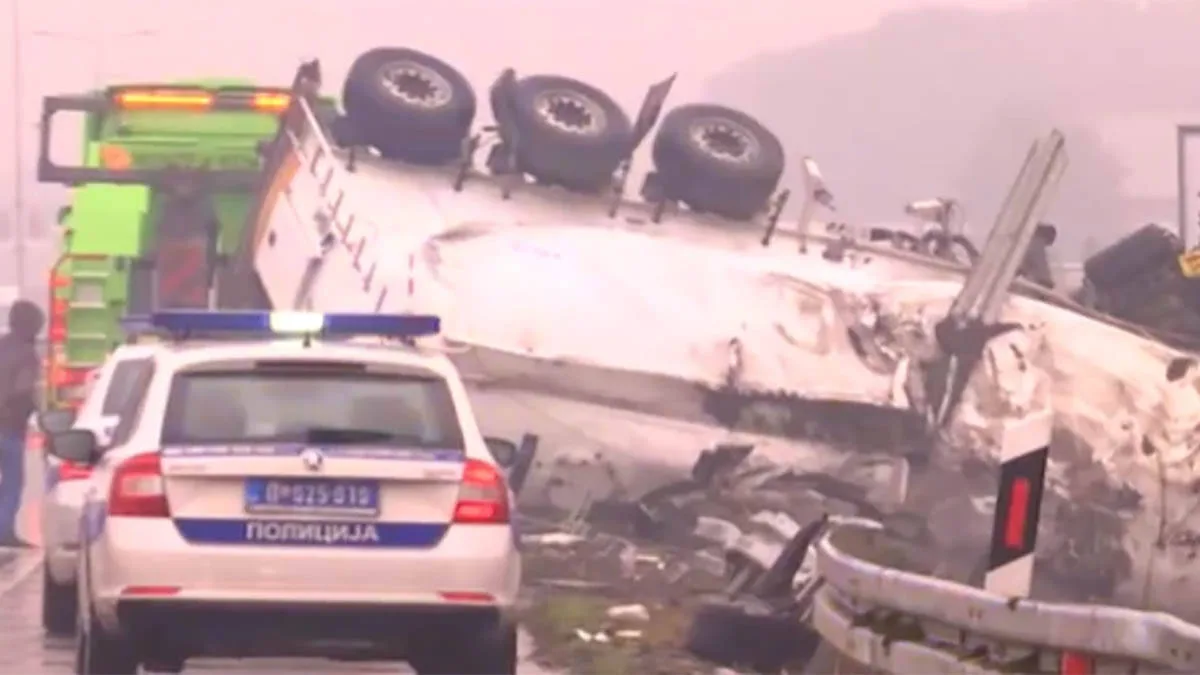
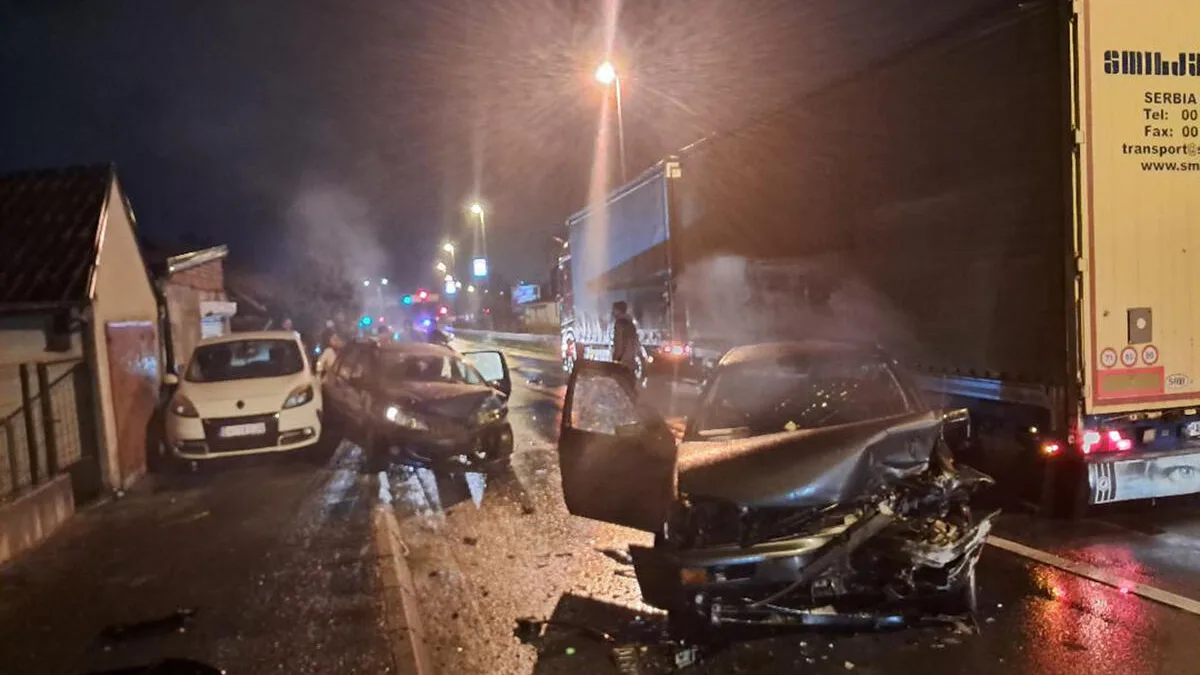
The accident happened in the morning hours. Ambulance crews, firefighters and police went to the scene. What they found spoke for itself. The vehicle was heavily damaged and had been pushed far from the point of first contact with the train.
For now it is not known whether there was a technical fault at the crossing or whether the barrier was bypassed solely by the driver’s decision. That difference matters and will be a focus of the investigation. Until the proceedings are complete, the cause is discussed only at the level of first findings, without final conclusions.
One fact remains that no further inquiry will change. Two people lost their lives, among them a three-year-old child. In a matter of seconds, a family lost two of its closest members.
How many more warnings does it take before bypassing a lowered barrier finally stops being a risk that someone knowingly takes on?