Two charged over Belgrade restaurant bombings
The Belgrade Higher Public Prosecutor's Office says the two grenades were sourced through the Signal app and thrown at restaurants less than 25 hours apart in February.

The Belgrade Higher Public Prosecutor’s Office has filed an indictment over two February explosions outside restaurants in the Serbian capital and sent it to the Belgrade Higher Court for confirmation. The accused are Uka R., 28, and Enis S., 21.
The two attacks came less than 25 hours apart, at separate addresses, using two different hand grenades. For the first time, the case file formally splits the roles: one man is said to have thrown the devices, the other to have obtained them and issued the instructions.
Two nights, two restaurants
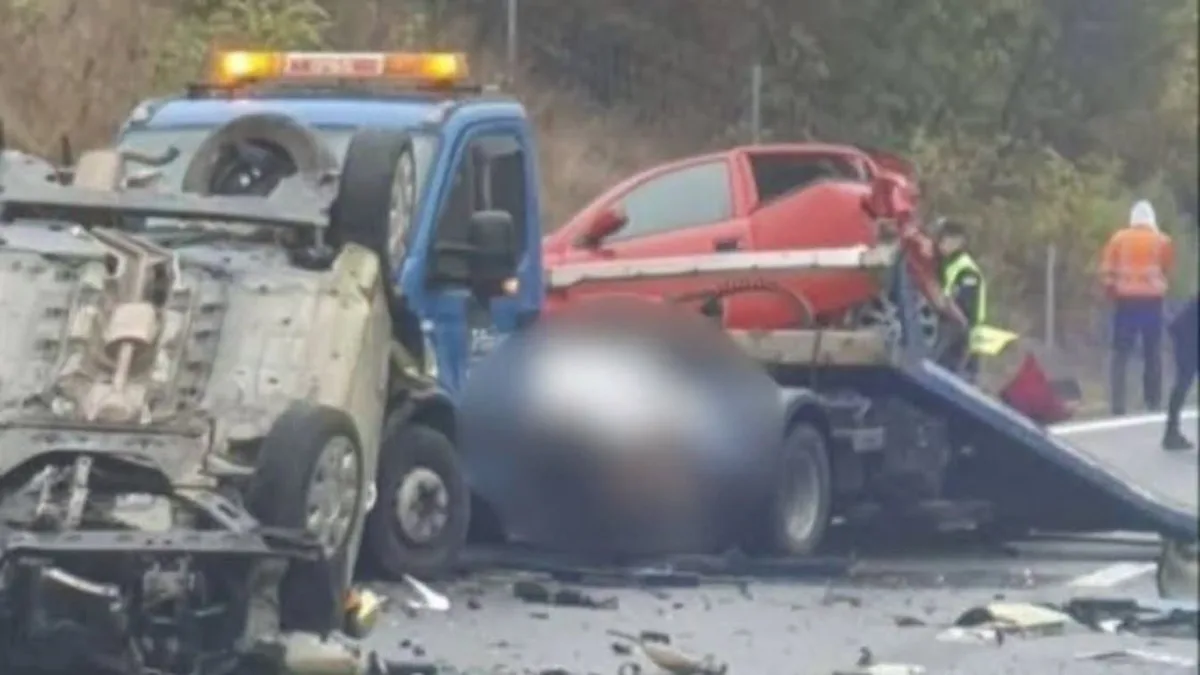
The first blast happened on February 4, 2026, at around 1:30 a.m., outside the Babaroga restaurant in Belgrade’s Palilula municipality. Prosecutors say the two men walked up to the building together carrying an M-50/M52 grenade, and that Uka R. armed it at the courtyard entrance and threw it toward the front door.
The facade and the window panes were damaged. The restaurant occupies the ground floor of the building, with several flats on the floor above.
The following night, on February 5 at about 2:18 a.m., an M-75 grenade was thrown at the Jerry restaurant on Tresnjin Cvet street. The indictment again describes damage to the facade and the glass, with the harm confined to the outside of the building.
What role do prosecutors give to Signal?
According to the indictment, Enis S. obtained the grenades through the Signal messaging app. He is also said to have given Uka R. his instructions and to have supplied the means to carry the attacks out.
That split is why the two men are not charged identically. The app is written into the description of the acts themselves, not left in the evidence annex.
The charges
Uka R. is charged with:
- two counts of unlawful production, possession, carrying and trafficking of weapons and explosive substances, as a co-perpetrator
- two counts of causing general danger
Enis S. faces the same two weapons and explosives counts, also as a co-perpetrator, plus two counts of causing general danger as an accessory.
Neither man has been convicted. An indictment sets out an allegation, and guilt is decided by the court.
Detention, six months after the first blast
Prosecutors asked the court to extend detention for both men, arguing they could repeat the offences within a short span of time. The request itself makes clear that both are already being held.
Almost six months passed between the night of the first explosion and the day the indictment reached the court. The sharpest detail in the file is still the clock: 1:30 a.m. on the first night, 2:18 a.m. on the second, two restaurants in different parts of Belgrade, less than a day between them.