Belgrade Ambulance Reports 86 vs 91 Nighttime Callouts
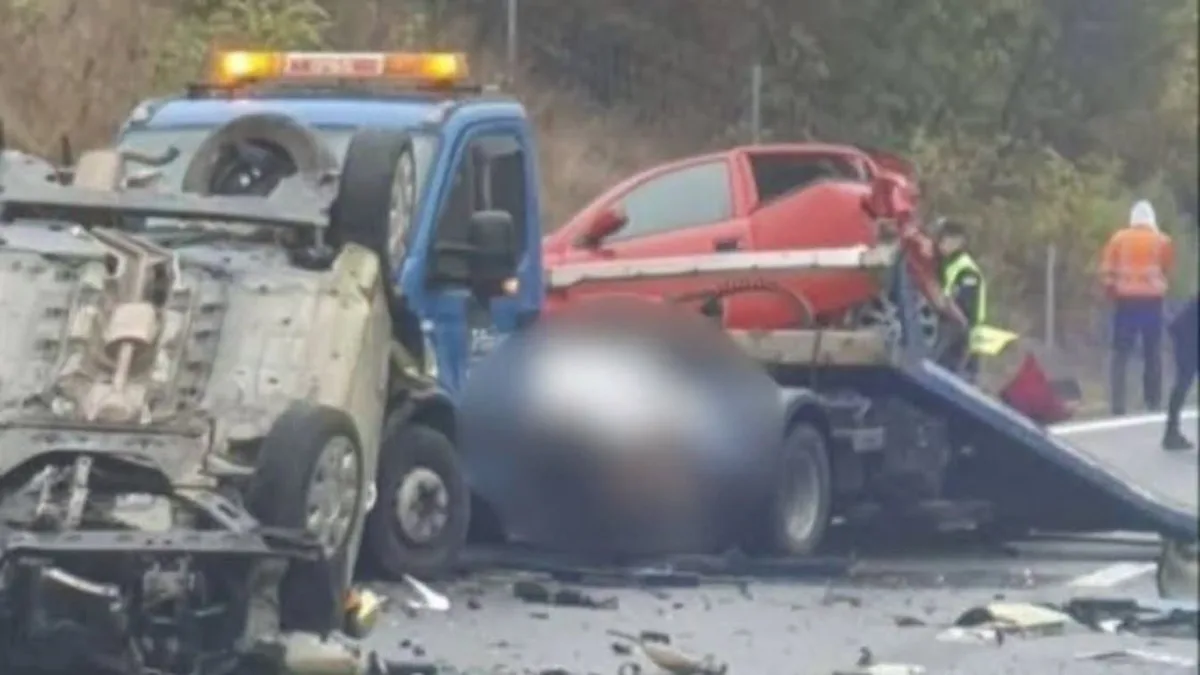
Four traffic accidents took place in Belgrade overnight, leaving four people slightly injured. Tanjug and Beta cite different numbers of Ambulance Service callouts, 86 versus 91.

Belgrade’s City Institute for Emergency Medical Aid reported this morning on its interventions overnight between September 11 and 12. The service told the Tanjug and Beta agencies, separately, that four traffic accidents took place that night, in which four people sustained minor injuries. On the number of accidents and the number of injured, the two reports agree.
The discrepancy starts with the total number of interventions for the night. Tanjug was told the Ambulance Service intervened 86 times, 21 of them in public places. Beta, founded in Belgrade in 1992 and describing itself as committed to objective, professional reporting from Serbia, the region and the world, was told there were 91 interventions, 23 of them in public places. Belgrade’s Ambulance Service is the sole source for both figures, and both agencies say the numbers were confirmed by that same service, even though they do not match.
Subtracting the public-place interventions from the totals leaves 65 calls outside public spaces in Tanjug’s report and 68 in Beta’s. The gap between the two overall totals is five interventions, and between the two public-place figures, two. Neither agency reported that the Ambulance Service later corrected either figure, and as of this article’s publication no explanation had been offered for why the numbers already differed at the moment they were released.
What Prompted Most of the Calls to the Ambulance Service?
Most calls that night involved chronic patients, mainly those with heart problems. According to the service itself, that is the usual pattern for nighttime calls regardless of the day of the week. The interventions in public places were, per the report, mostly the result of alcohol intoxication and minor fights among residents, something both agencies list as a constant feature of such reports rather than anything unusual for this particular night.
The overall number of interventions was noticeably lower than is typical for a weekend, when the Ambulance Service usually logs an above average number of calls compared with weekdays. Even though this night fell within that period, it stayed below the usual weekend figure in both reports. As a possible explanation for the drop, the service pointed to cooler weather following a long run of tropical days that preceded that night, without offering a precise figure for how much that factor actually affected the call numbers.
Neither agency reported that any of the four injured people was kept in for extended treatment, or that any condition was more serious than the term minor injury suggests. According to both reports, every injury from every traffic accident recorded that night was minor, with no mention of anyone seriously hurt or killed.
The four traffic accidents and four slightly injured people covered in this report relate strictly to the period between September 11 and 12. Belgrade’s Ambulance Service typically publishes its overnight intervention reports in the morning, and this one, based on available information, went out between 7 and 9 a.m. on September 12, the usual time for such statements from the service. These morning reports from the Institute typically do not include the identities of the injured or the exact locations of the accidents, only aggregate intervention numbers and the most common reasons for calls, as was the case again this morning.