Jurija Gagarina: Smoke From Flat, Firefighters in 11 Min
Neighbors noticed smoke coming from a fifth floor apartment in a building on Jurija Gagarina Street in New Belgrade and called the fire department. It turned out to be burnt food, not a fire.

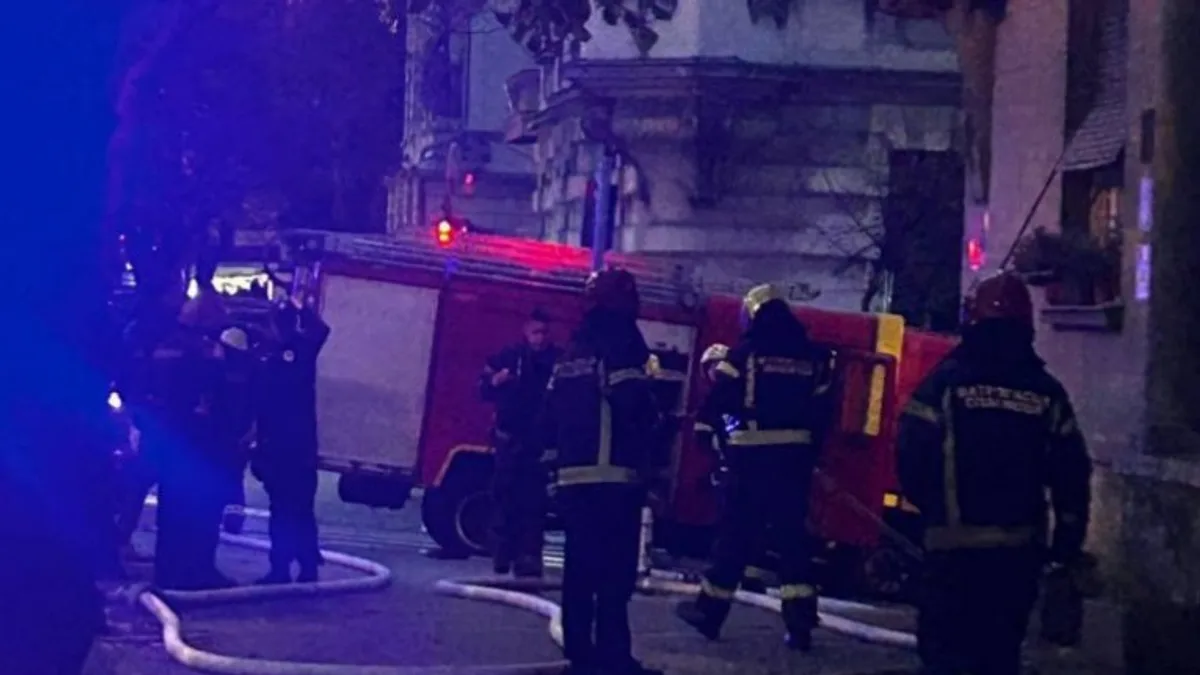
The New Belgrade fire and rescue unit responded yesterday afternoon on Jurija Gagarina Street after neighbors noticed smoke coming from one of the apartments. According to unofficial information reported by the media, the call came in at 4:25 p.m., and the crew reached the address eleven minutes later, at 4:36 p.m.
Neither Telegraf nor Espreso, the outlets that first reported the story, say the information came from an official statement by the relevant service. Both outlets attribute the timing of the call and the firefighters’ arrival to unofficial sources, so the precise timeline of the intervention, even though it is recorded down to the minute, rests on sources close to the service rather than on official confirmation.
The smoke was coming from an apartment on the fifth floor. According to the same sources, the apartment was undergoing renovation at the time. When firefighters entered, they determined it was not a fire: food had burned in a pot on the stove, and the smoke had filled the room.
Neighbors were the first to notice the smoke pouring out of the apartment. Frightened, they ran out of the building and called the fire department instead of trying to enter the smoke filled apartment themselves. Jurija Gagarina Street runs through one of the more densely populated blocks of New Belgrade, lined with residential towers built decades ago, where evacuating the hallways and stairwells is standard practice whenever smoke appears on the floors above or below.
According to the information available, the situation was brought under control quickly. Neither of the two reports contains an explicit confirmation that no one was injured. The question of injuries is not addressed in the sources at all, in either direction, so the absence of injuries cannot be stated as an established fact, only as something the reports simply do not mention.
The reason the food was left on the stove long enough to produce thick smoke is not yet known to the public, and neither Telegraf nor Espreso reported on it. It has also not been disclosed whether anyone was in the apartment when the food started burning, or whether renovation work was underway that particular afternoon. As of this writing, the relevant service has not issued a written statement on the intervention, so the number of firefighters deployed, the number of vehicles sent to the address, and any additional checks of the apartment’s utilities remain unknown.
The case fits a pattern common in neighborhoods with older residential buildings: a report of smoke from an apartment almost always triggers the same response, a rapid dispatch of the fire and rescue crew and a check on whether it is an open flame or, as in this case, burnt food filling the room with smoke without fire that could spread further. The difference between the two outcomes shapes how the intervention proceeds: an actual fire is followed by extinguishing efforts and, if needed, evacuation of several apartments, while burnt food typically just means the crew ventilates the space and checks for damage to the utilities or furniture near the stove.
It has not yet been reported whether the apartment, which was under renovation, suffered any damage beyond the kitchen itself, or whether the owner will face any further obligations toward the building or the neighbors over the alarm the smoke caused. If the relevant service later issues an official statement with more precise details about the intervention, including confirmation of whether anyone was injured, the editorial team will update this report.