

Household savings: dinar deposits rise 18 per cent over the year
Total household deposits in Serbia's banking system stood at 2,485 billion dinars at the end of April 2026, while dinar deposits saw the fastest growth since the start of 2025.
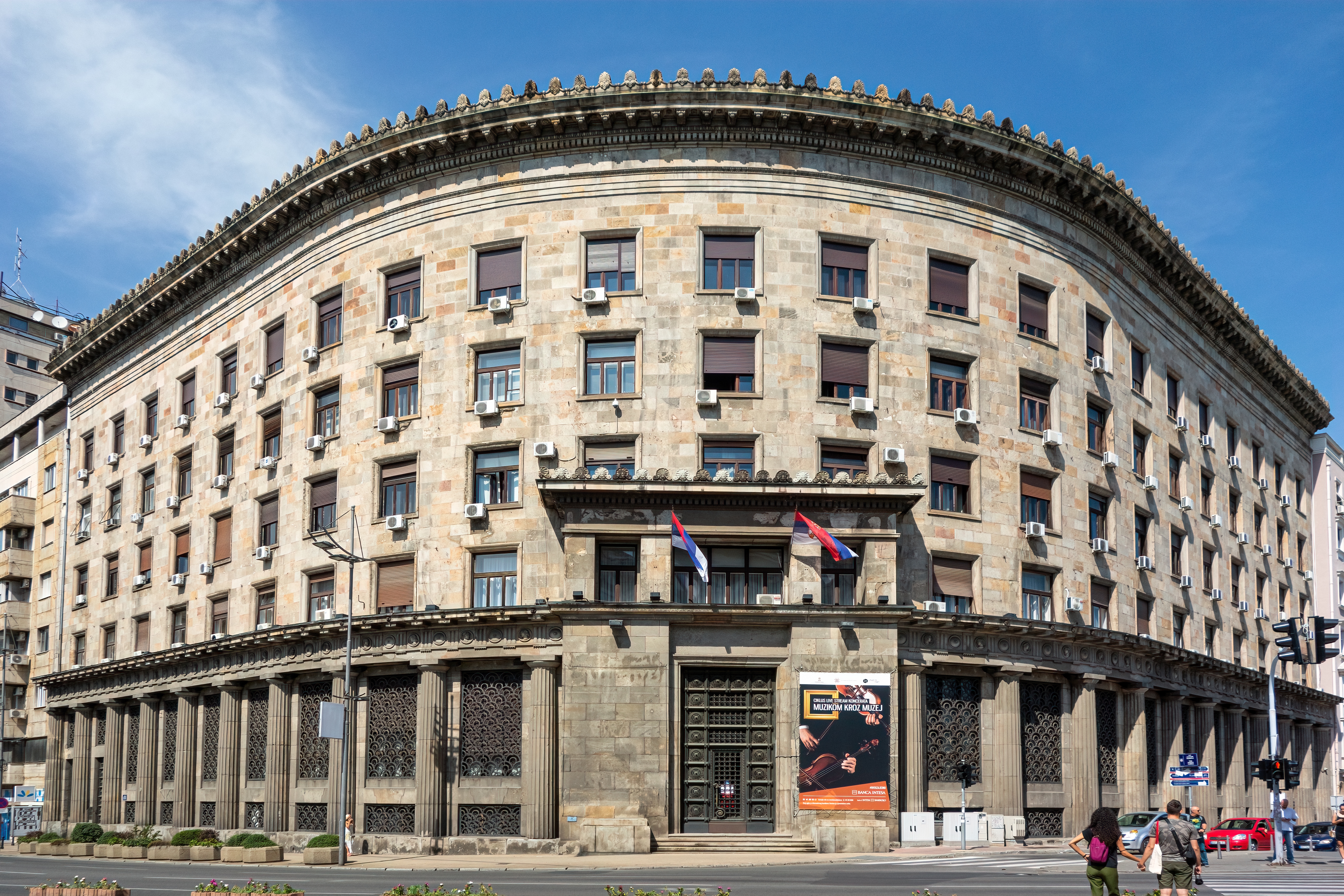
Total household savings in Serbia’s banking system stood at 2,485 billion dinars (about 21.17 billion euros at the NBS mid-rate of 117.4 dinars to one euro) at the end of April 2026, according to the latest figures in the monthly Review of credit and deposit aggregates that the National Bank of Serbia publishes on the 15th of each month for the previous month. Dinar deposits inside this total grew by 18 per cent year on year, the fastest tempo recorded since the start of 2025.
The structure of the total deposit portfolio remains, however, heavily euroised. Euro deposits make up 79.3 per cent of the total, dollar deposits 4.1 per cent and dinar deposits 16.6 per cent. On rates, the weighted average rate on time dinar deposits with maturities of one to two years is 4.2 per cent, against 2.3 per cent for the same euro category. The yield premium offsets much of the FX risk for the saver who chooses dinar savings, as Komercijalna Banka noted in its monthly analysis.
What the banks make of it
Banca Intesa, the largest bank in Serbia by household deposits (498 billion dinars at the end of April), promotes dinar savings through its Pametna Stednja product, which offers an extra 0.3 percentage points on deposits above 500,000 dinars. AIK Banka, in its “Stedi pametnije” campaign running to 30 June, offers a promotional rate of 4.8 per cent on new 24-month dinar household deposits, a premium of 0.6 percentage points on the standard offer.
OTP Bank, by contrast, said in its first-quarter report that, despite the rise in the dinar component, the total household deposit base had missed its forecast, reaching 312 billion dinars, 1.8 per cent below plan. OTP retail banking director Predrag Mihajlovic told the daily Politika that part of the reason is the redirection of funds towards property purchases, “a classic flight to real assets in a period of pronounced FX stability”.
Investments outside the banking system
Beyond bank deposits, households in Serbia are increasing their exposure to government securities. In May 2026 the Public Debt Administration of the Ministry of Finance issued a new series of five-year retail savings bonds with a fixed coupon of 4.75 per cent in dinars, with the total amount subscribed by individuals exceeding 8.3 billion dinars in the first seven days of sale. Finance minister Sinisa Mali told the daily Politika that the outcome was “a market signal of confidence in public debt”. Tradable shorter-dated securities are also seeing rising demand.
How safe the deposits are
The Serbian Deposit Insurance Agency covers household deposits at all banks up to 50,000 euros per depositor per bank, capturing around 97 per cent of depositors in Serbia. At the end of April 2026, the Agency’s fund held reserves of 132 billion dinars (about 1.12 billion euros), covering around 5.3 per cent of total insured deposits. Agency director Aleksandar Bratic, addressing the public in May, said the fund’s coverage was “above the regulatory minimum” and that there was no need to raise the quarterly premiums banks pay in.
A generational shift in saving behaviour
An analysis published by the Serbian Chamber of Commerce in April shows that savers under the age of 35 have doubled their share of the dinar component of savings over the past three years: from 8.4 per cent in 2023 to 17.2 per cent in the first quarter of 2026. Pavle Stoiljkovic, director of the Centre for Financial Research, told the portal Biznis.rs that the reason was “a combination of real interest, positive for the first time in a decade, and the technological simplicity of opening a time dinar deposit through a bank’s mobile app, which was previously a barrier for younger users”.
Erste Bank analyst Tamara Stevanovic struck a more cautious tone in the daily Politika, saying the segment of permanently dinar-oriented savers is still small in absolute numbers, since euroisation remains “a deeply cultural phenomenon with roots in the 1990s” that will not be reversed within a single economic cycle. The NBS’s next monthly Review, with data for May 2026, will be published on 15 June.


