Fuel Prices Rise: Diesel 224, Petrol 200 Dinars a Liter
Euro-diesel climbed to 224 dinars and petrol to 200 dinars a liter, up about two dinars on the week. The government extended its 20 percent excise cut through August 2.

- Euro-diesel rose to 224 dinars a liter and petrol to 200 dinars.
- The weekly increase is roughly 2 dinars a liter for both fuels.
- The government extended its 20 percent excise cut through August 2.
- The measure had been set to expire on July 26, so the deadline moved by seven days.
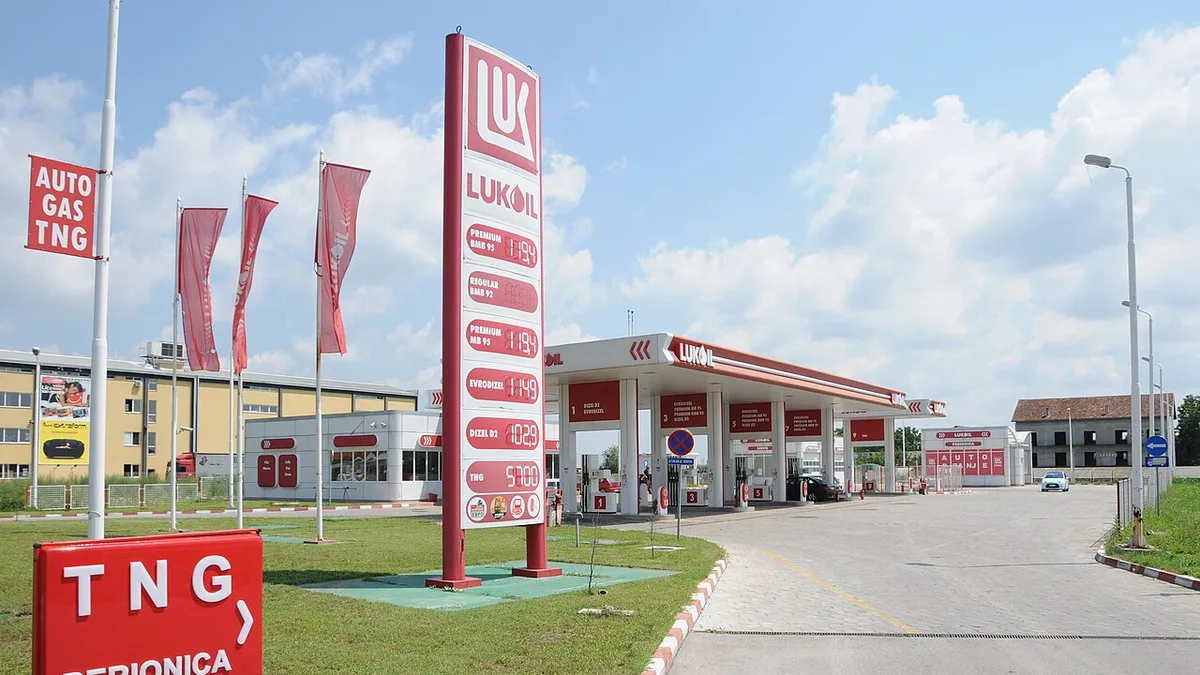
Euro-diesel at domestic pumps now costs 224 dinars (about 1.91 euros) a liter, while petrol reached 200 dinars (about 1.71 euros), the latest weekly prices show. The gain of roughly two dinars a liter for both fuels marks a second straight week of increases, and it lands just as the state extends a fiscal measure meant to cushion the blow to consumers.
The government extended its reduced excise, cut by 20 percent, through August 2. The original deadline was July 26, meaning the relief shifted by seven days. Without that cut, the pump price would be noticeably higher, since excise makes up a substantial share of the retail price of every liter.
Why is fuel getting more expensive despite a lower excise?
Retail fuel prices in Serbia are set weekly, tracking petroleum-product quotations on the Mediterranean market and the dinar’s exchange rate against the euro. When those wholesale quotations climb, the higher input cost passes through to the pump even when excise is held at a lower level. Put simply, the excise cut softens the increase but does not cancel it.
Supply disruptions add further pressure. Tight availability on the products market lifts wholesale quotations, so domestic traders adjust prices upward. The 20 percent excise cut acts as a shock absorber here: the state forgoes part of its per-liter revenue so the final price stays within a more tolerable range for drivers and for a transport-dependent economy.
For the consumer, the math is simple. Filling a 50-liter diesel tank now costs about 11,200 dinars, roughly 100 dinars more than a week ago. Over a year, for a household that covers a lot of kilometers each month, these corrections add up to a noticeable expense.
What does the August 2 deadline mean for drivers?
The extension to August 2 means the lower excise stays in place only briefly. After that date, if the government does not step in again, the excise returns to its full amount, and with wholesale prices unchanged that would push the retail price further up. That makes the next decision, on extending or letting the measure lapse, decisive for the pump price in August.
In fiscal terms, every extension of the cut costs the budget through lower excise revenue. The government is weighing two things: the revenue side of the budget and the pressure of fuel costs on inflation and living standards. The pattern of pushing deadlines back by a few days at a time suggests the measure is being kept as a temporary instrument rather than a permanent fix.
For drivers, the takeaway is practical: the price remains sensitive to two variables that move week to week, product quotations and the dinar’s exchange rate. The excise cut buys time and blunts the jump, but it does not guarantee the price will hold at its current level after August 2.
Do you expect the government to extend the excise cut again after August 2, or is it time to let fuel prices follow the market?