Stellantis Kragujevac Shuts for Two Weeks, 4,500 Off Work
The Stellantis plant in Kragujevac stops its lines on August 3 and stays down for a fortnight. The union confirms hiring has been put on hold, though it says the freeze is not permanent.

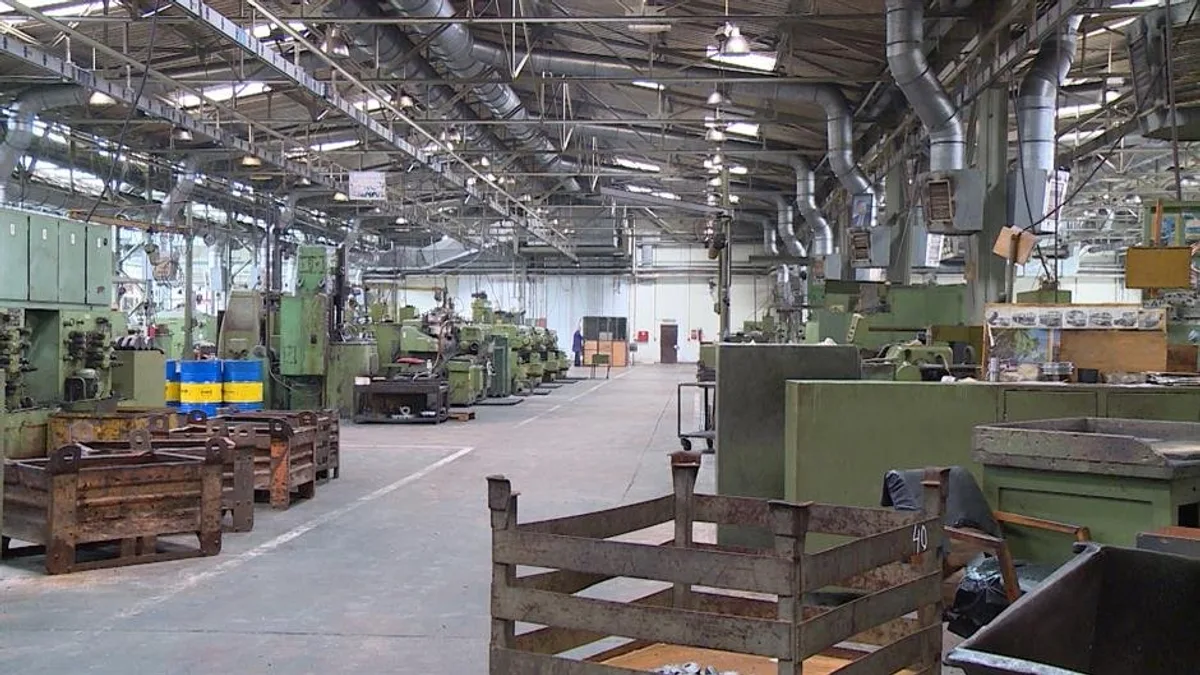
The Stellantis plant in Kragujevac stops production on Monday, August 3, and stays shut for two weeks. More than 4,500 employees go on collective leave, with the lines due to restart on Monday, August 17.
The shutdown lands while the plant is running flat out. Kragujevac works three shifts, and on top of that schedule it adds weekend shifts of 12 hours each on Saturday and Sunday. Those extra shifts are not covered by permanent staff but mostly by workers on temporary contracts, an arrangement that buys capacity without permanently enlarging the payroll.
Who works at the Kragujevac plant
The workforce breaks down like this:
- more than 4,500 employees in total
- between 500 and 1,000 foreign workers, with estimates varying
- three shifts in the regular pattern, plus 12-hour weekend shifts
That gap between five hundred and a thousand foreign workers is itself a piece of information. No exact figure has been published, so what circulates is a range that shifts depending on who is counting. In a plant this size, that means somewhere between eleven and twenty-two percent of the labour force.
Two models come off the lines: the Fiat Grande Panda, in electric, hybrid and petrol versions, and the electric Citroen C3. Kragujevac therefore runs two nameplates off one platform, with three separate powertrains on one of them.
Why has hiring stopped?
Recruitment is paused rather than closed. “Hiring has stopped for the moment, which does not mean there will be no top-ups,” said Ivan Ristic, president of the union at the Kragujevac plant.
The difference between a pause and a freeze is not merely semantic. A plant that has filled its production plan for the year has no reason to take on new people just before a two-week stoppage, while a plant closing recruitment for good would be sending suppliers and the local labour market a very different signal. Kragujevac, for now, is in the first category.
The temporary contracts covering weekend shifts are the item to watch. As long as Saturday and Sunday work is staffed by fixed-term hires, the plant can flex output without touching permanent headcount. In a strong quarter that means a fast response to orders. In a weak one it means the weekend goes first, and everything else only afterwards.
Why this August is different from earlier ones
The context that makes this stoppage read differently is recent. Production of the Fiat 500L in Kragujevac ended in 2022, after which the plant ran at minimal volume for years while the line was rebuilt around a new platform. Series production of the Grande Panda began in late 2024.
A fortnight of downtime at a factory running three shifts plus weekends is not the same thing as downtime at a factory waiting for a model. In the first case the pause is a line in the production calendar. In the second it was the consequence of having nothing to build.
That is why the detail about frozen recruitment carries more weight than the holiday dates themselves. The 4,500 headcount was reached during a growth cycle that began when the new production started, and the first pause in that cycle is arriving now.
What to watch after August 17
Two data points will show which gear Stellantis Kragujevac shifts into for the autumn. The first is whether the 12-hour weekend shifts come back immediately after the break or return gradually, since they react fastest to any change in orders. The second is whether recruitment reopens in September, the month when plants of this type usually finalise their fourth-quarter plans.
For a city where the car industry has been the largest employer for decades, both answers mean more than a shift roster.