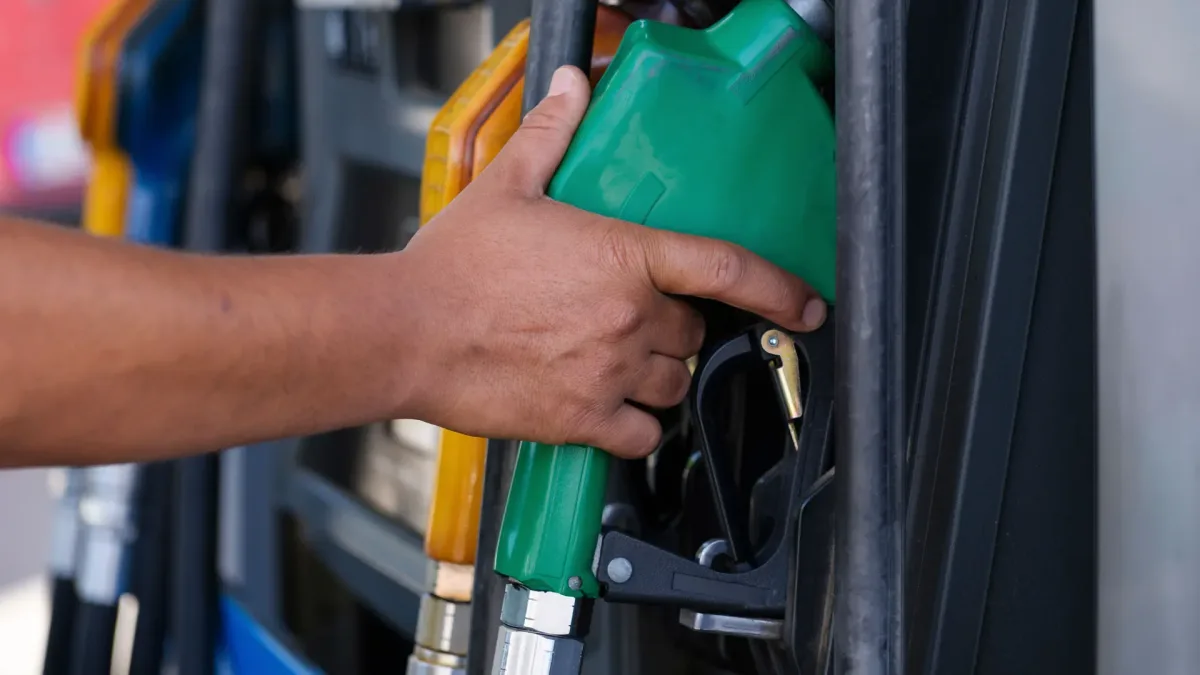
Fuel Excise Cuts Extended to August 16: Diesel 59.23 Dinars
Serbia's reduced fuel excise duties are extended by another week. The 20 percent cut is the legal ceiling, and a draft revision of the Excise Law would remove that cap entirely.

The temporary excise duty on diesel fuel stands at 59.23 dinars per liter instead of the legally prescribed 74.04 dinars, and the reduced fuel excise duties remain in effect through August 16. Serbia’s government has issued a new decision extending the temporary excise cut on petroleum derivatives by another seven days, after the previous deadline was set to expire on August 9.
The reduction amounts to 20 percent below the levels set by the Excise Law and applies to three categories:
- leaded gasoline: 61.24 dinars per liter, instead of 76.55 dinars
- unleaded gasoline: 57.60 dinars per liter, instead of 72 dinars
- gas oils, meaning diesel fuel: 59.23 dinars per liter, instead of 74.04 dinars
The amount the measure shaves off each liter comes to 15.31 dinars for leaded gasoline, 14.40 dinars for unleaded, and 14.81 dinars for diesel. The stated reason for extending the cut is to soften the impact of rising crude oil and derivative prices on the world market.
How much does that mean for a single tank fill?
For a 50 liter diesel tank, the difference at the excise level alone comes to 740.50 dinars. The effect at the register is somewhat larger, since the 20 percent value added tax is calculated on a price that already includes the excise duty, so filling the same tank without this measure would cost around 890 dinars more. Per liter, that works out to roughly 17.8 dinars once VAT is factored in.
Excise duty still makes up a large share of the pump price even after the cut. Based on prices from the previous weekly calculation, when eurodiesel stood at 227 dinars per liter, the reduced excise accounted for about 26 percent of the retail price. If the full legal amount were applied, that single line item alone would add 74.04 dinars per liter.
Why can’t the government go below 20 percent?
The Excise Law, in its current form, allows a reduction of at most 20 percent when the world market price of crude oil rises. The government is therefore already at that ceiling, and within the existing legal framework there is no room to go lower, so the decision does not change in substance, only in how long it stays valid.
The reduced excise duties have been in continuous effect since March 13, 2026, though the mechanism has not stayed the same throughout. From April 10 through May 15, the cut stood at 25 percent and was governed by the Decree on Limiting the Prices of Petroleum Derivatives, based on the Trade Law, rather than the Decision on the Temporary Reduction of Excise Duties. The reason is arithmetic: 25 percent exceeds the legal maximum, so a different legal basis had to be used for that stretch.
What the draft changes to the Excise Law would alter
The Ministry of Finance is working on amendments to the Excise Law, and the biggest change in the published draft is the removal of the 20 percent limit. If the amendment passes in that form, the government could cut excise duties further whenever crude oil prices spike, without having to fall back on trade regulations.
For drivers, nothing changes right away, since the current reduction stays at 20 percent. The practical consequence lies elsewhere: scrapping the cap also removes the upper limit on the fiscal cost of the measure, a figure that until now could be calculated in advance. Every percentage point of reduction is revenue the budget does not collect, and excise duties on petroleum derivatives are among the more lucrative consumption tax items.
The next step follows a rhythm that has held since March: a new extension decision is expected ahead of the August 16 deadline, while any further move in the size of the reduction itself is possible only once the changes to the Excise Law clear the parliamentary procedure.