Electricity Price Hits 717 Euros as Gas Nears Double
The region's highest electricity price, 717 euros per megawatt hour, was recorded on August 3 on Slovenia's exchange. Gas is above 60 euros, almost double last year's level.

The highest electricity price recorded on southeastern Europe’s exchanges in the week of July 31 to August 6 was 717 euros per megawatt hour, set on August 3 on the Slovenian exchange BSP Southpool. An analysis of seven regional exchanges for that period, based on 15 minute intervals on the day ahead market, showed prices rising on average 50 to 100 percent compared with the previous weeks.
The spikes are not an exception but the rule in one narrow slice of the day. Evening electricity prices on regional exchanges range from 300 to 500 euros per megawatt hour, and in some hours climb past 700 euros. Last summer, prices on the same exchanges were 70 to 80 euros per megawatt hour.
On Serbia’s SEEPEX exchange, most of the price peaks were also recorded on August 3, with electricity most expensive between 7:00 p.m. and 7:30 p.m. The highest prices across the whole region were concentrated in four 15 minute intervals, from 7:30 p.m. to 8:30 p.m., precisely when solar production drops off with sunset while consumption keeps climbing.
Zeljko Markovic, an energy expert with the Association of Power Engineers of Serbia, says the surge in prices does not mean a shortage of supply.
“We don’t have a supply shortage, but prices are certainly far higher than they should be for this time of year, compared with last August.”
Supply, in other words, is holding. What changed is the cost of every hour in which domestic production falls short of demand.
Why Did Prices Spike in August?
The cause is a simultaneous drop in production and rise in demand. Low water levels on the Danube and high river water temperatures have curbed nuclear and hydroelectric output across the entire basin.
- Hungary’s Paks nuclear plant cut output by 90 percent, from around 2,000 megawatts to roughly 230 megawatts, because it could not secure enough cooling water.
- Romania’s Cernavoda plant halved production, resorting to emergency measures to raise the river’s water level.
- Slovenia’s Krsko plant cut output by 20 percent under rules that ban discharging water above a set temperature threshold.
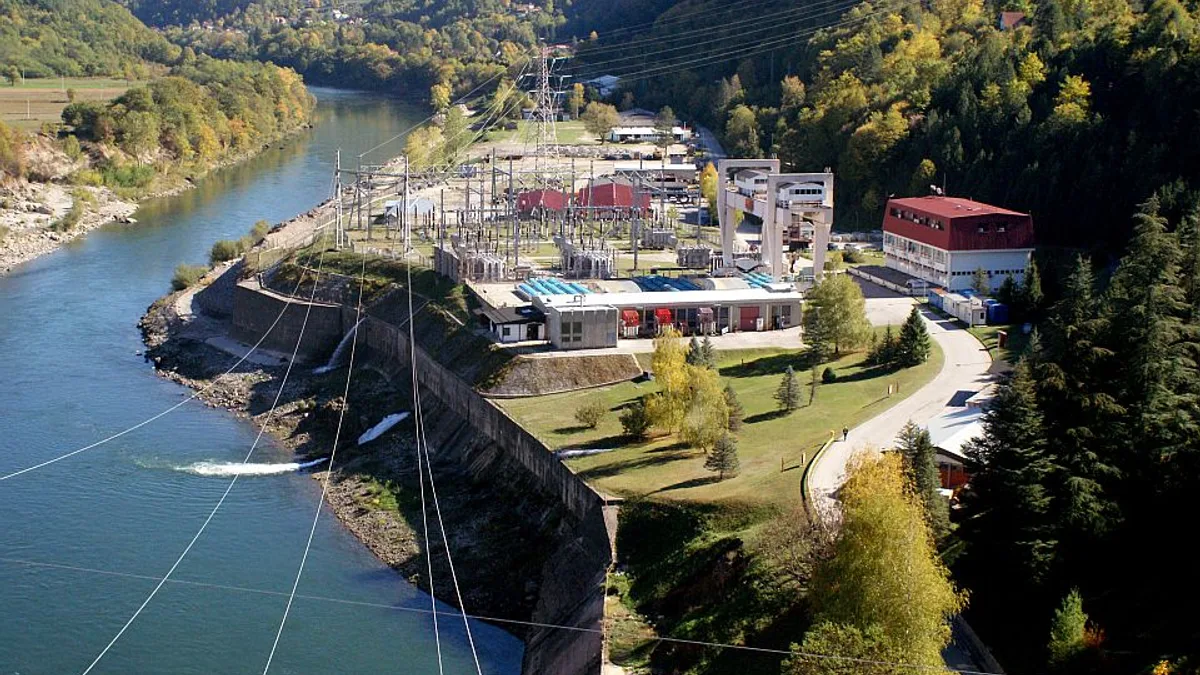
- In Serbia, the Djerdap 1 hydroelectric plant ran at 20 percent of its usual output, and Djerdap 2 at 30 percent.
On the demand side, regional electricity consumption rose between five and 20 percent. Markovic estimates the region is short close to four gigawatts of nuclear production as a result.
Who Paid the Least in the Region
The lowest electricity prices were consistently recorded in Greece and Bulgaria, the two countries with the largest solar and battery capacity in the region. Greece has nine gigawatts of solar power and one gigawatt of battery storage, while Bulgaria has six gigawatts of solar and 3.7 gigawatts of batteries.
Bulgaria turned that into an export surplus of around 30 gigawatt hours a day, roughly a third of Serbia’s daily consumption.
“They have built more than three gigawatts of battery storage capacity for electricity, so they can store it and export it in the hours when power is most expensive,” Markovic explains.
The difference shows up in the numbers: the same kilowatt hour produced at noon, stored, and sold at 8 p.m. was worth several times more in August than at the moment it was generated.
Where Serbia Stands in the Region
In Western Europe, the average electricity price in the first 15 days of August was 120 euros per megawatt hour, against a full year average for 2026 of around 100 euros. At midday, when solar plants run at full capacity, prices there can fall close to zero.
In Serbia, even at noon the exchange price of electricity is 80 to 100 euros per megawatt hour, because the shortfall from hydroelectric plants and nuclear outages in neighboring countries leave no room for prices to drop. The mainstay during the evening peak is the Bajina Basta pumped storage hydroelectric plant, which pumps water into its reservoir when electricity is cheap and generates power when it is most expensive.
“So our lifeline is exactly that pumping. The Bajina Basta reversible hydroelectric plant, at times when the price is, let’s say, lower, meaning some night hours and midday hours, pumps water into the reservoir, and then in the evening hours electricity is generated again from that water,” Markovic says.
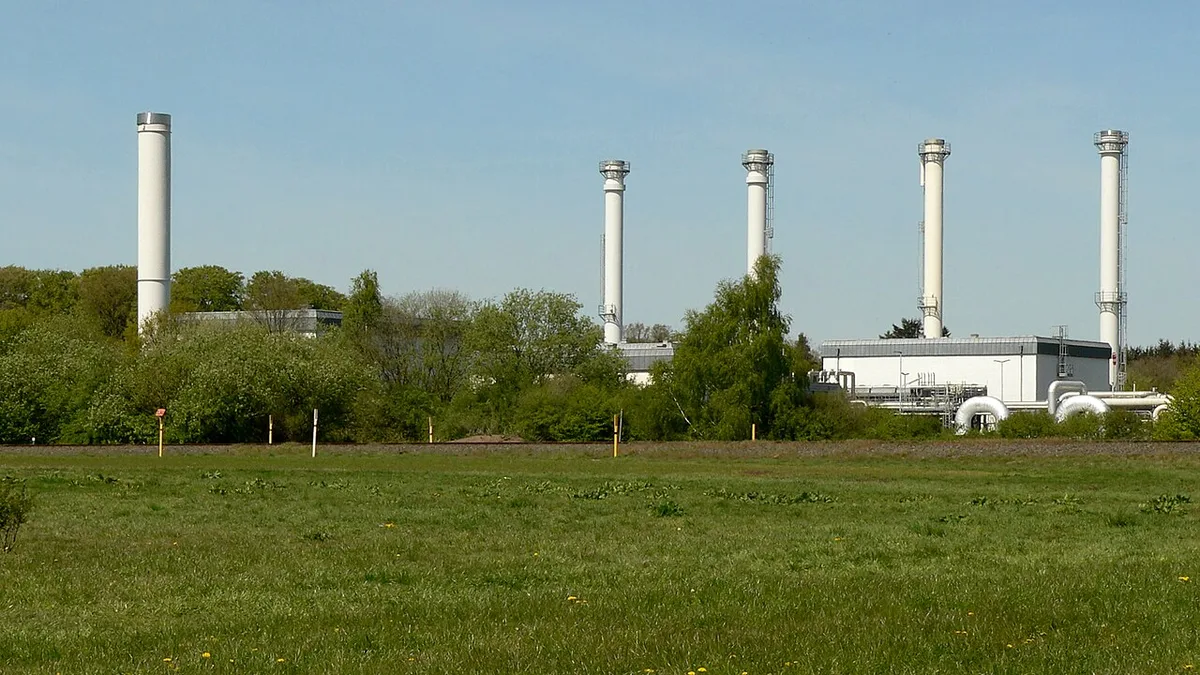
Gas Above 60 Euros Ahead of Heating Season
The price of natural gas on the European market is above 60 euros per megawatt hour, nearly double what it was in the same period of 2025. European gas storage is 58 percent full, below the five year minimum, which pushed the European Union to lower the mandatory fill level by November 1 from 90 to 80 percent.
The structure of supply is different than it was a few years ago. Markovic says the share of Russian gas in Europe’s imports has fallen from over 40 percent to 12 to 13 percent, with Norway and the United States covering the difference, at higher transport and insurance costs.
Strahinja Obrenovic, an energy market expert, lists what has piled up ahead of winter.
“Europe has significantly cut pipeline imports of Russian gas, while storage is now at historically low levels. Additional pressure comes from higher summer gas consumption for cooling, lower nuclear power output, and problems with liquefied natural gas supply. All of this raises the risk for the European market ahead of winter.”
Serbia stands apart on this front, since it is not an EU member and still imports Russian gas by pipeline.
“We also take Russian gas. We have different delivery arrangements, so as far as we’re concerned, we don’t share Europe’s fate,” Markovic says.
A barrel of oil costs around $89. Diesel prices are rising over the coming week, while gasoline has dropped by two dinars, with refinery premiums, transport and insurance shaping the price of fuel.
Two dates will close out August for the domestic energy market. The operating permit for NIS (Naftna industrija Srbije), Serbia’s national oil company, is valid until August 28, and how much fuel gets imported through the end of the year depends on the work of the oil refinery in Pancevo. European gas storage levels are measured through November 1, and that figure will set the price of gas going into the heating season.