Djedovic: Gas Tops 800 Euros as Coal Moves by Rail
Minister Dubravka Djedovic Handanovic said gas has topped 800 euros per 1,000 cubic meters, the highest since 2022, while 250,000 tons of coal from Constanta move by rail due to low Danube levels.

The price of natural gas has topped 800 euros per 1,000 cubic meters, the highest level since the 2022 energy crisis. Mining and Energy Minister Dubravka Djedovic Handanovic presented the figure in Kragujevac on September 9, during a ceremony handing out subsidy contracts for household energy retrofits.
Crude oil climbed alongside gas: a barrel crossed $106 the day before her appearance. The Ministry of Mining and Energy says both indicators reflect broader pressure across the region, compounded by low water levels on the Danube.
Why the Danube Is Driving Up Coal Prices
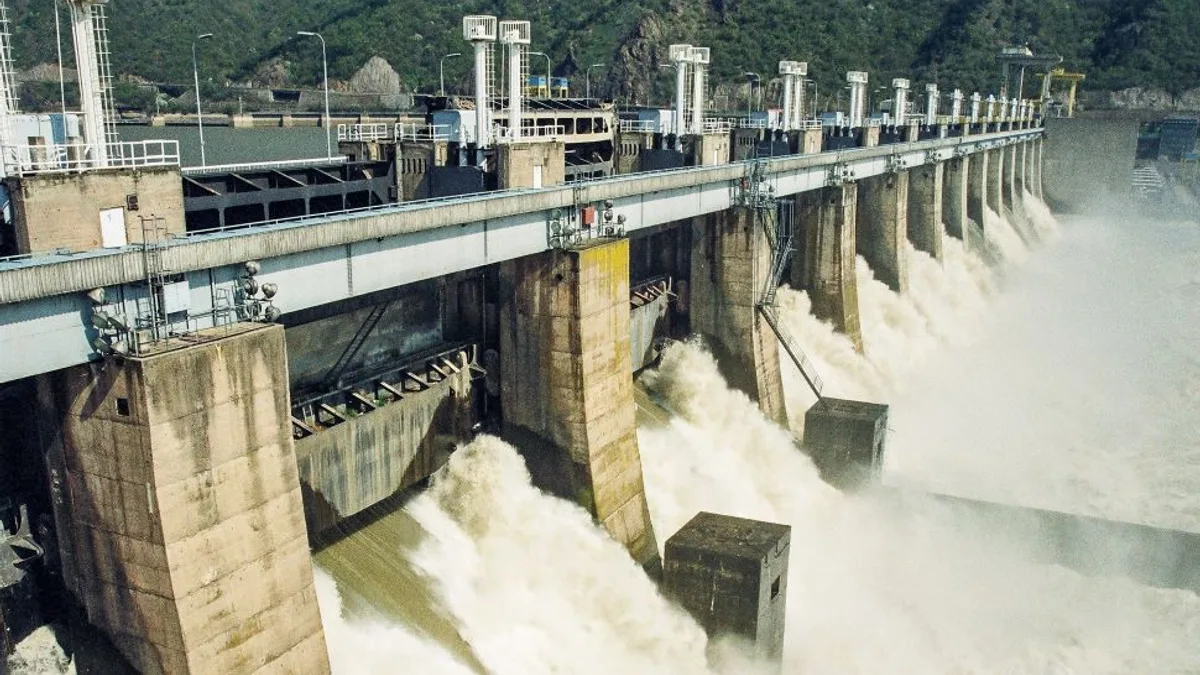
The Danube’s water level sat at a historic low over the summer, cutting inflows at the Djerdap hydropower plant to their lowest point since the facility went online. The low water also slowed shipping toward the Romanian port of Constanta, where Serbia imports high calorie coal that gets blended with coal from the Kolubara and Kostolac basins. About 250,000 tons of that coal is now moving by rail and alternative routes through the port of Bar instead of by river. Deliveries should pick up over the next month, the minister said, as water levels are expected to improve.
Djedovic Handanovic noted that current energy prices are not uniform across Europe, and that this gap is itself putting pressure on electricity prices, a burden that then spreads to other parts of the system. She added that overhauls at the Kostolac power plants are nearing completion and will all wrap up before the heating season begins, while procurement of fuel oil for buildings that rely on it is underway.
Six Months of Measures
The ministry says Serbia has spent the past six months taking steps to secure supply: banning oil and fuel exports, releasing commodity reserves onto the market, and allowing companies to draw on their own operating reserves. The government cut fuel excise taxes by 20% back in July, one of the earlier moves in the same package. The minister said fuel reserves have doubled over the past four years and that Serbia has fully rebuilt the stockpiles it drew down last year, when sanctions hit NIS and crude imports stopped for three months.
The Ministry of Mining and Energy and the City of Kragujevac set aside 95.8 million dinars (about 817,000 euros) to retrofit 462 households in Kragujevac. Of that, 70 low income families received subsidies covering up to 90% of the work, while other households received a lower co-financing rate.
We tracked a similar regional squeeze a week earlier, when Brent crude broke $100 a barrel and European wholesale gas prices hovered around 77 euros per megawatt hour, a different benchmark from the one the minister cited in Kragujevac. The direction, though, is the same: energy costs keep climbing ahead of the heating season, and the ministry says it will keep monitoring both international and domestic markets.