Serbia Diesel Price Hits Record 234 Dinars
Diesel prices in Serbia climbed to a historic high of 234 dinars per liter, twelve dinars above the previous record from 2022. Excise duties and taxes make up almost half the price.

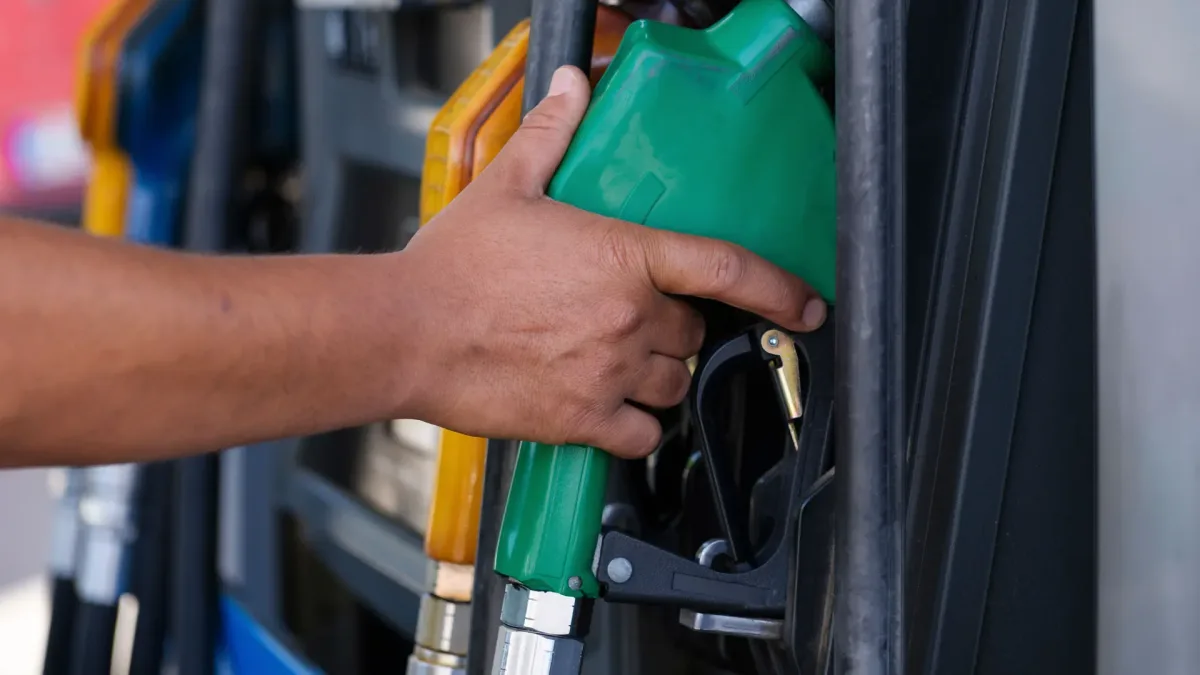
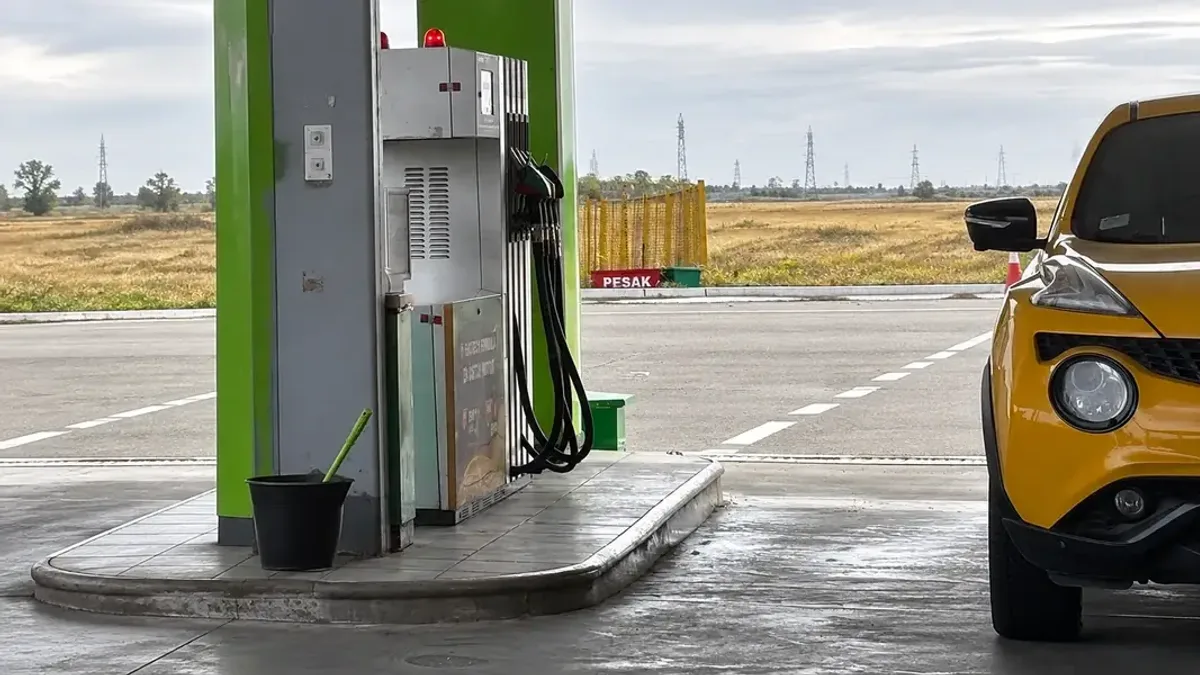
A liter of diesel in Serbia has cost 234 dinars since Friday, September 4, the highest price on record, the Ministry of Mining and Energy announced. Regular gasoline, BMB 95, jumped to 205 dinars per liter the same day. The new maximum retail price holds until Friday, September 11, at 3pm, when the state publishes its next correction under the weekly formula.
Compared to the previous week, both fuels rose by two dinars per liter: diesel went from 232 to 234, gasoline from 203 to 205. The week before that, the increase was one dinar for each. A driver filling up with 50 liters of diesel at the new price now pays 11,700 dinars, 100 dinars more than seven days earlier. The same amount of gasoline now costs 10,250 dinars.
The previous diesel record was 222 dinars per liter, set in November 2022. The current price tops that by 12 dinars, or about 5.4 percent. Unlike that earlier spike, which came as Russia’s full scale invasion of Ukraine broke out, the current climb follows months of gradual increases, a dinar or two at a time, week after week.
How much of the price goes to the state
Fuel prices at the pump in Serbia are not set freely. A government decree limiting petroleum product prices, adopted this year, fixes the maximum retail price of diesel and gasoline every Friday for the following seven days, using a formula tied to Mediterranean market prices and assumptions about import, transport and logistics costs. On top of that comes a legally capped trader margin of at most 21 dinars per liter, energy expert Zeljko Markovic told Insajder. Premium, performance enhanced fuels are not price controlled by the state and are set freely by producers and sellers along the supply chain.
The rest of the price is made up of excise duties, a fee for building mandatory reserves and improving energy efficiency, and value added tax. Excise duties and taxes together account for almost half the price of diesel in Serbia, a bigger share than elsewhere in the region and in Europe. The temporary excise rates, in effect until September 13, are 59.23 dinars per liter for diesel and gas oils, 57.60 dinars for unleaded gasoline and 61.24 dinars for leaded gasoline. The government repeatedly extended a temporary 20 percent cut to excise duties through August, citing rising producer prices for fuel.
Why fuel is more expensive in Serbia than in the neighborhood
“The domestic market is cut off from the international one by unusually high transport costs,” Aleksandar Kovacevic, a researcher at the Oxford Institute for Energy Studies, told BBC in Serbian. Serbia has no direct access to the sea and is surrounded by countries with poor transport infrastructure and high logistics costs, Kovacevic explains. That makes price risk hard to manage, and that risk is passed straight through to the pump.
Part of that risk in Serbia quickly turns into a fiscal one, since the state covers it through higher taxes, Kovacevic points out. As an example he cites Naftna industrija Srbije, the national oil company, which has been under US sanctions since October of last year over its majority Russian ownership. The trouble of a single market player, he says, immediately showed up as a fiscal problem and weighed on public finances. The company’s fate still hinges on whether the Russian ownership stake gets sold to another foreign firm, with Hungarian oil giant MOL the most serious candidate.
What’s happening with prices worldwide
Diesel prices in the United States also hit their highest level on record on September 4, the same day the Serbian market set its own: 5.85 dollars a gallon (3.78 liters), or roughly 1.55 dollars a liter. The causes include the wars in Ukraine and the Middle East, Moscow’s decision to halt diesel exports through the end of September after Ukrainian strikes damaged refineries, and harvest season, when farm machinery burns more fuel. On top of that, oil exports from Saudi Arabia fell in August, according to Bloomberg data, to their lowest level in the past ten years, dropping from 4.3 million to 3 million barrels a day, as Yemen’s Houthis strike energy facilities belonging to the world’s largest oil exporter.
British drivers are also paying more than ever since the Israel and US war against Iran began earlier this year: 1.63 pounds a liter for gasoline, about 1.90 euros, and 1.85 pounds a liter for diesel, about 2.15 euros. Every 10 dollar jump in the price of a barrel of crude adds roughly seven pence a liter at British pumps. Crude prices spiked earlier this month too, when Brent crossed 100 dollars a barrel and European gas climbed to about 77 euros.
What’s next for prices
OPEC and its partners, Russia among them, decided on September 6 to leave October output unchanged after a modest increase in September. Kovacevic does not expect that decision to move prices much. The organization’s own influence on the market is limited, Jorge Leon of Rystad Energy told Reuters: OPEC can change its targeted output on paper, but it cannot guarantee those barrels will actually be produced, or that they will end up on the market at all.
“Risk and uncertainty dominate the current energy market,” Kovacevic stresses. “That is not going to change quickly, or simply.” For Serbian drivers, that means one thing for now: Friday, September 11 brings a new price under the same formula that has applied since the decree took effect, the Mediterranean market plus transport costs, then excise duties and margin on top.