Serbia Cuts Diesel Excise Tax, Fuel Prices Unchanged
The government lowered diesel excise to 55.53 dinars and gasoline to 54 dinars per liter for September 14 to 20, keeping pump prices unchanged.

Diesel excise tax in Serbia stands at 55.53 dinars per liter as of Monday, according to a decree from the Government of the Republic of Serbia published in the Official Gazette. The new rates apply from September 14 through September 20, 2026, while the excise on unleaded gasoline was cut to 54 dinars per liter for the same period. Leaded gasoline stays at 57.41 dinars per liter.
Compared with the rates in effect through September 13, the gasoline excise is down 3.60 dinars per liter and the diesel excise is down 3.70 dinars per liter. The Ministry of Finance confirmed to Tanjug that until September 13 the excise stood at 57.60 dinars for unleaded gasoline, 59.23 dinars for diesel, and 61.24 dinars for leaded gasoline per liter. Once value added tax is factored in, the added tax relief works out to roughly 4.32 dinars per liter of gasoline and roughly 4.44 dinars per liter of diesel. That has effectively lifted the excise cut from 20 to 25 percent.
Why Cut the Excise Even Further?
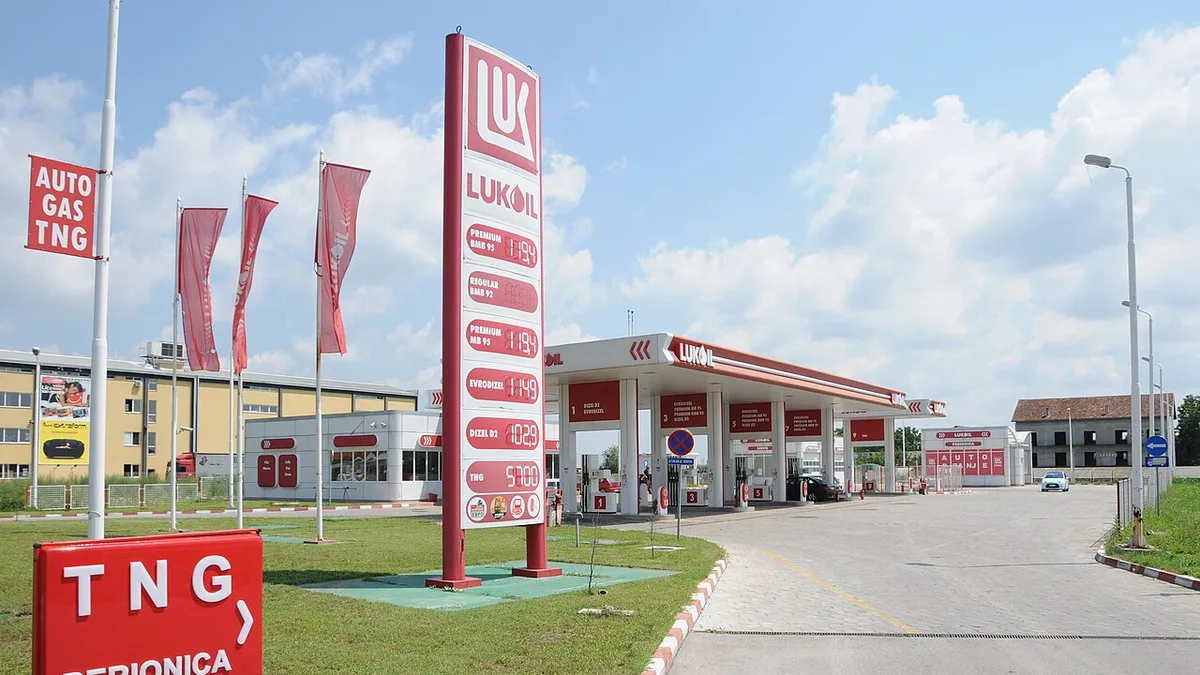
The trigger is a jump in the world price of crude oil, with a barrel now above 108 dollars. Without the extra excise cut, diesel and gasoline in Serbia would have risen by at least four dinars per liter. Instead, the government held retail prices where they were: Eurodiesel stays at 234 dinars per liter, and Europremium BMB 95 stays at 205 dinars per liter.
Presenting the measures at the Palace of Serbia, President Aleksandar Vucic said few countries would make this kind of concession.
We will soon be among the cheapest for fuel too, very soon. Because not many countries want to give up 25 or 30 percent of their excise revenue. We gave up 25 percent today.
He added that the excise on oil had, until now, been one of the state’s main sources of budget revenue.
And that was one of our main sources of revenue, the excise on oil.
How Did Serbia Get to a 25 Percent Cut?
The latest decision continues a string of extensions running since spring. The original, temporary 20 percent excise cut was due to expire on September 6, but the government pushed it to September 13, as the Ministry of Finance confirmed at the time. This outlet had already reported Vucic’s pledge that fuel would not get more expensive despite oil trading at 108 dollars a barrel. The current decree is the first since that pledge to spell out the exact excise amounts and the exact dates they cover.
By Vucic’s account, the state lost about 22.3 billion dinars, roughly 200 million euros, on reduced excise between March 15 and August 31. He returned more than once in his address to how he framed that drop in revenue.
Just look at how much we’re bleeding, because of the wars in Iran, the Persian Gulf and Ukraine.
Vucic added that there is no way around the rise in world oil prices for as long as the wars in the Middle East and Ukraine continue.
But it just doesn’t work out, as our people would say. Nobody can stop it.
Fuel prices in Serbia typically change once a week, on Fridays. The new decree takes effect on Monday, September 14, and runs through Sunday, September 20, when the government will decide whether to extend the cut again.