Belgrade New Build Prices: Borca, Krnjaca Under 2,000 Euros
New builds rose 3.86% in the second quarter, slower than older flats. Agents say where Belgrade still has apartments under 2,000 euros per square meter, and what other districts charge.
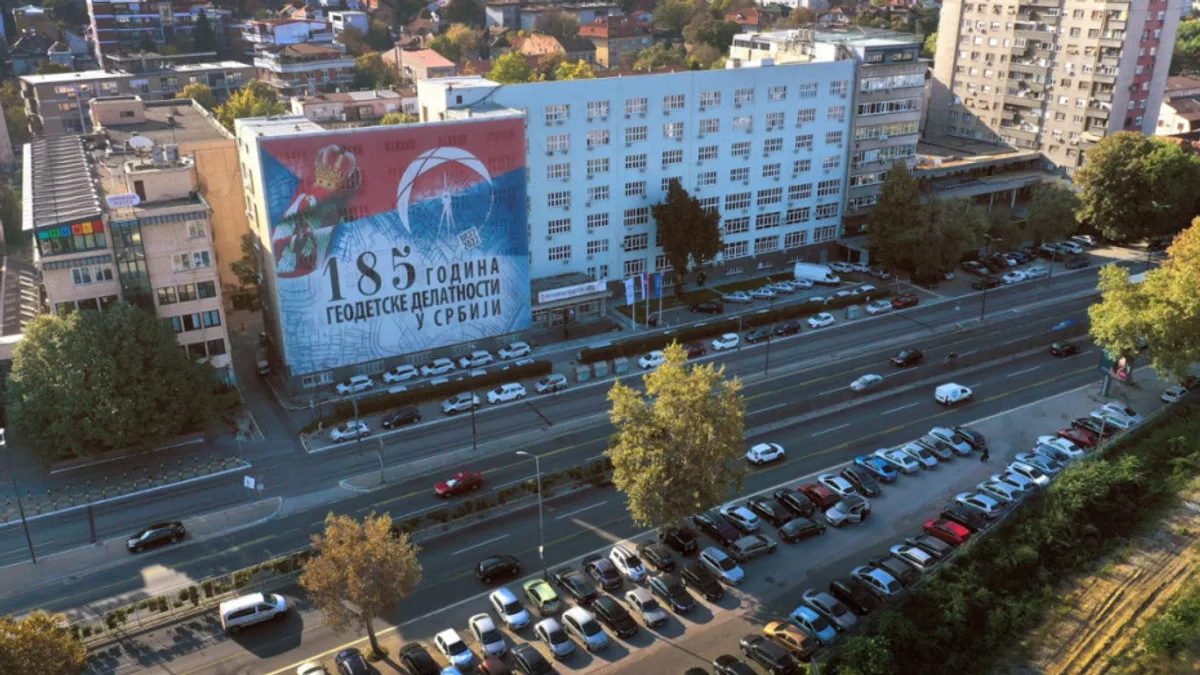
New build prices in Belgrade in the second quarter of 2026 were 3.86% higher than a year earlier, while older housing stock rose 5.98%, according to the Republic Geodetic Authority (RGZ). Overall apartment prices climbed 5.25% year on year and 1.19% compared with the first quarter.
A gap of about two percentage points means older flats are closing in on new ones, but it does not say where new construction can still be bought cheaply. Real estate agents who spoke to Nova.rs say the answer is mostly on the edge of the city.
Where do new builds in Belgrade sell for under 2,000 euros per square meter?
Uros Jovanovic, an agent at the agency “Art nekretnine”, says prices below those of older housing sometimes show up in unexpected parts of the city:
“Although rarely, it has happened that a small new build flat in New Belgrade, a one-bedroom, was cheaper than an older one.”
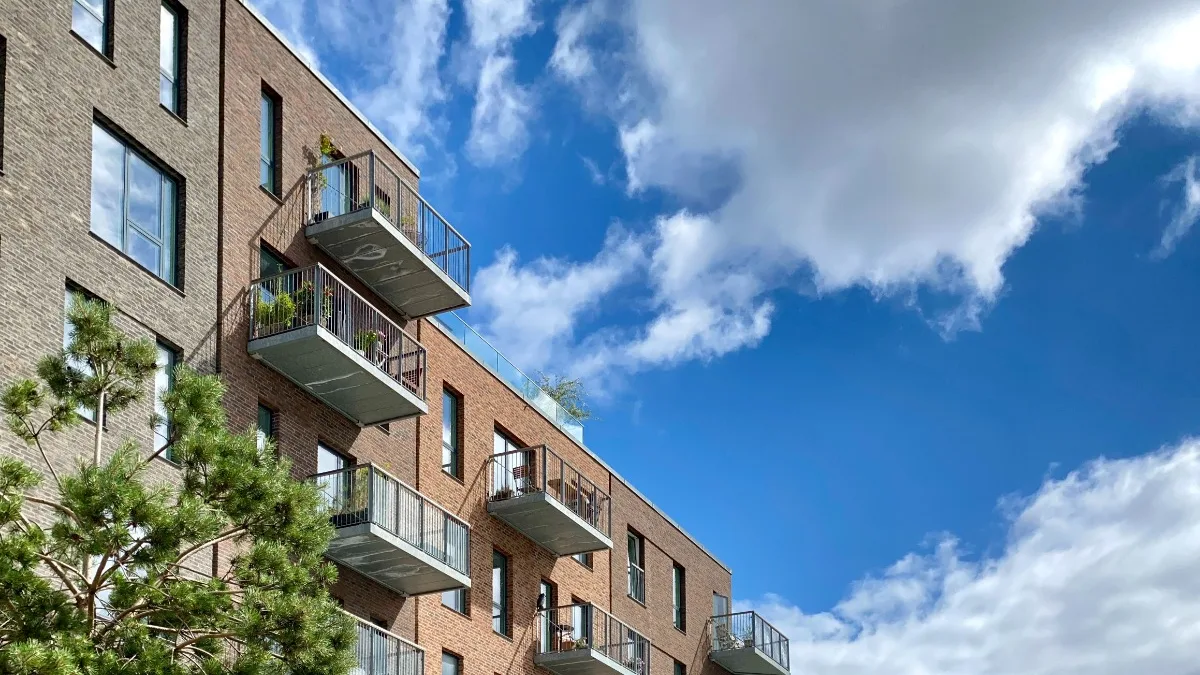
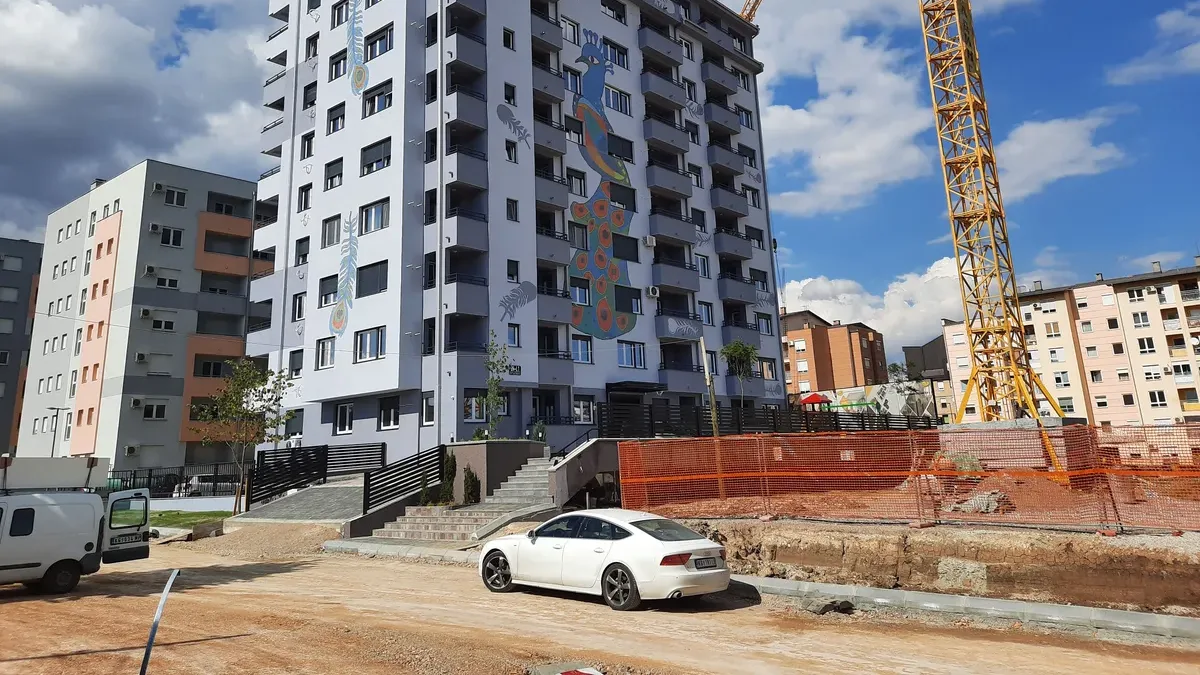
It is more common on the left bank of the Danube, in Krnjaca, Ovca and Borca, then in Zeleznik and Sremcica. Jovanovic also mentions Kaludjerica. The catch is size: these are flats of up to 45 square meters.
“One-bedroom flats of between 40 and 45 square meters in a new build for around 2,000 euros,” Jovanovic says, adding that such flats can be found.
How much do new builds cost in other districts?
Prices rise quickly as you move toward city neighborhoods with better infrastructure. Agent Milos Rajovic says that in Zvezdara, Karaburma, Zarkovo and Vidikovac a square meter starts at 2,500 euros. He puts the average price of a new build in Belgrade at around 2,600 euros per square meter, and says a project advertised in Mirijevo sells at that price.
Official figures by district look like this:
- Zemun: the average for new builds is 2,720 euros per square meter. The range within the district is wide: a newer two-bedroom near the Zemun quay reached 4,125 euros per square meter, while a similar flat in Batajnica is advertised at 1,341 euros.
- Cukarica: the average for new builds is around 2,800 euros per square meter. Cukarica Slope, Banovo Brdo and Zarkovo are pricier, Bele Vode, Cerak, Sremcica and Rusanj cheaper.
- Rakovica: has the lowest average apartment prices in Belgrade, with an official average of 2,328 euros per square meter. It is not stated that this figure covers new builds only. The district includes Vidikovac, Miljakovac, Labudovo Brdo and Petlovo Brdo.
Why is the estimated average for new builds below older housing?
Rajovic argues that the average price of older housing stays higher than that of new builds, and he finds the reason in where construction sites are located.
“The reason lies in the locations where the most building is happening at the moment,” Rajovic told Nova.rs. Most new buildings are going up in Batajnica, Zemun, Surcin, Lestane, Mirijevo and Krnjaca, parts of the city where a square meter is generally cheaper.
Older flats, on the other hand, are concentrated in the central districts: Vracar, Stari Grad, Savski Venac and parts of New Belgrade. Prices there often exceed 4,000 euros per square meter, but that figure refers to older flats on offer, not to new builds. Rajovic warns that the average should not be read as proof that new construction is cheaper in itself:
“The difference is in the average price, which does not mean that new builds are generally cheaper, but that more new builds are currently being advertised in more affordable parts of Belgrade, while older housing dominates the central and pricier zones.”
Where do new builds sell better than older flats?
Outside Belgrade the picture is different. In the first six months of 2026, five cities sold far more new build flats than flats in older buildings: Novi Pazar, Prokuplje, Loznica, Uzice and Pancevo. A square meter in all of them except Pancevo and Uzice cost between 1,000 and 1,200 euros.
The reasons given are a shortage of quality flats in older buildings and the completion of building cycles for individual housing complexes, which increased supply. Also mentioned are an inflow of capital from the diaspora and a shift of money into real estate, which is seen as a safe investment.
For buyers in Belgrade the math stays the same: a flat under 2,000 euros per square meter exists, but it is small, far from the center and mostly in neighborhoods that are only now being built.