

Serbian Households Spent 651 Dinars More Than They Earned
The Statistical Office of Serbia published 2025 figures: average monthly household spending was 109,787 dinars against income of 109,136, with food taking 36.6 percent of outlays.
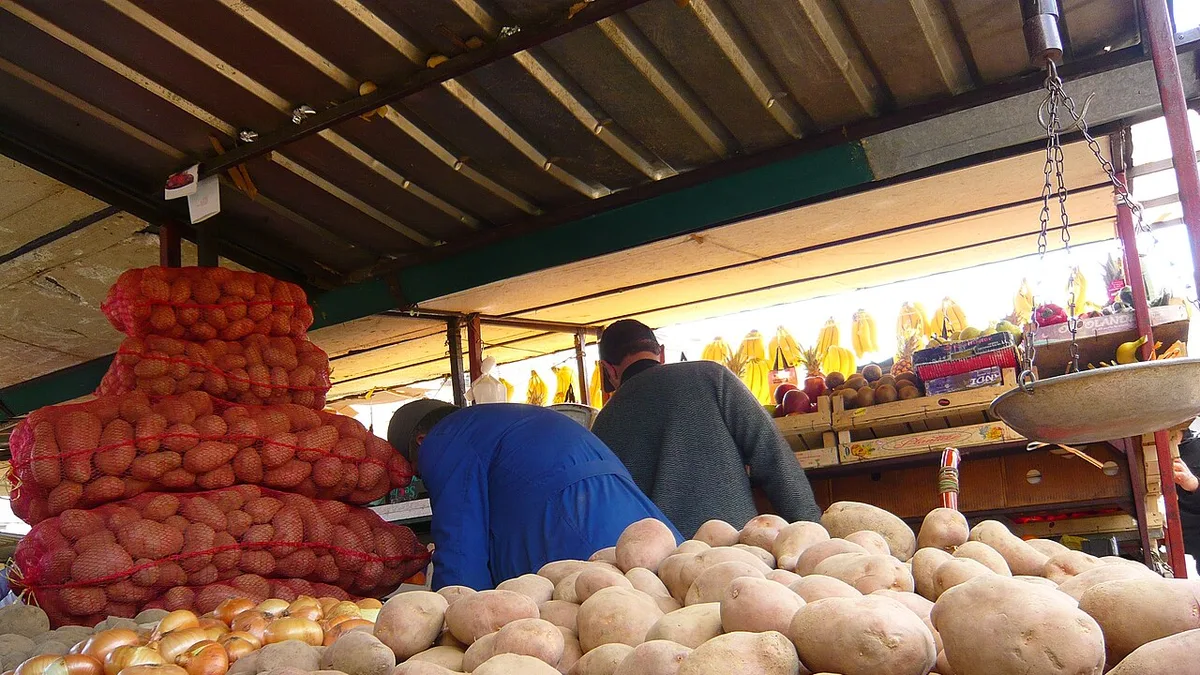
The average household in Serbia spent 109,787 dinars a month last year, while its income came to 109,136 dinars. Personal consumption outlays therefore exceeded income by 651 dinars, or about 0.6 percent of income. The Statistical Office of the Republic of Serbia (RZS) released the 2025 household income and spending figures on October 16 in its publication “Regions in the Republic of Serbia, 2025”.
The office counts income in cash and in kind, so alongside money received it includes the value of goods a household gets or produces without paying for them.
How much did income and spending grow?
Compared with 2024, average monthly household income rose 11.7 percent, while spending on personal consumption rose 11.8 percent. Both rates are nominal, meaning they are not adjusted for price changes. Spending grew one tenth of a percentage point faster than income.
Where does household money come from?
Most income comes from employment, and pensions are the second largest source:
- regular employment: 54.8 percent
- pensions: 29.8 percent
- agriculture: 3.8 percent
Those three items together make up 88.4 percent of income. The remaining 11.6 percent is not broken down in the published data we reviewed.
What takes the most money?
Food and non-alcoholic beverages account for 36.6 percent of household personal spending. Housing, water, electricity, gas and other fuels take 16.1 percent, so those two groups together make up 52.7 percent of all consumption. The other items, according to the office’s figures:
- transport: 9.0 percent
- other personal items and services: 6.0 percent
- communications: 5.5 percent
- recreation and culture: 5.3 percent
- clothing and footwear: 4.7 percent
- alcoholic beverages and tobacco: 4.4 percent
- health: 4.0 percent
The listed items add up to 91.6 percent of spending. The remaining 8.4 percent is not named in the published figures.
What does that come to in dinars?
The office reports shares in the data it released, not amounts for each item. Applying the percentages to average monthly spending of 109,787 dinars gives about 40,180 dinars a month for food and non-alcoholic beverages and about 17,680 dinars for housing and energy. That is our own calculation from the published percentages, not an RZS figure. On those numbers, food is more than twice as large an expense as housing and utilities.


