

NBS raises key rate to 6 percent: which loans are hit
The NBS Executive Board raised the key rate by 25 basis points, the first increase in 26 months. Fixed-rate loans are untouched, but new dinar loans may get more expensive.
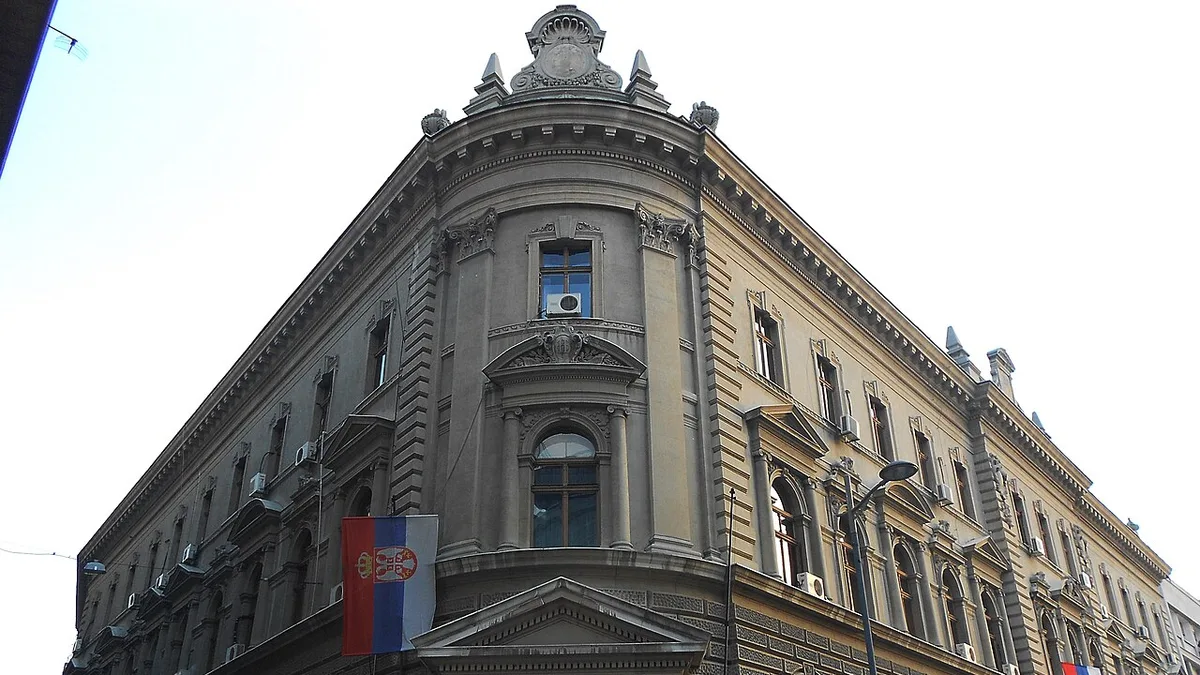
The Executive Board of the National Bank of Serbia (NBS) raised the key interest rate by 25 basis points on November 12, 2026, from 5.75 to 6.0 percent. The deposit facility rate went up to 4.75 percent and the lending facility rate to 7.25 percent.
It is the first increase in 26 months. The key rate last stood at 6.0 percent from July to September 12, 2024, so the decision puts it back at that level.
Why did the NBS raise the key rate?
In its statement, the central bank said the move aims at “preventing more significant second-round effects of the energy shock on other prices”. In other words, the goal is to keep costlier energy from spilling over into food, goods and services.
The NBS cited the following figures:
- year-on-year inflation rose to 4.1 percent in September, mostly because of the low base from last year for food and household chemicals, which were covered by the margin cap decree
- oil derivatives are more than 17 percent costlier than a year ago, and the increase would have been larger had the state not cut fuel excise duties
- inflation in 2027 is expected to stay above the upper bound of the 3 percent target, which carries a tolerance band of 1.5 points, and to return within the band by the end of 2027
The growth projection for 2026 is at least 3.5 percent, higher than expected in August. For 2027 it was lowered to 4.0 percent. The Executive Board’s next interest rate meeting is scheduled for December 10, 2026.
Which loan payments does it affect?
Fixed-rate loans do not change, and repayment continues on the agreed terms. For variable-rate loans, any change in the installment depends on the reference rate the loan is tied to and on the date the rate is adjusted.
Euro-denominated housing loans are tied to EURIBOR, which does not depend on the NBS decision, so their installments do not change automatically because of it, Mondo reports.
Dusan Uzelac, editor of the Kamatica portal, told Kurir Biznis that dinar loans will get more expensive with a lag of three to six months:
“The key interest rate is the price of money, and the first and most basic point is that banks will now pay more to buy their goods.”
Uzelac expects the higher price of money to reach citizens and businesses through interest on new dinar loans, and said of existing debt:
“Let me stress that this does not apply to existing loans, only to future ones.”
Those who are only now taking on debt are the ones affected. Anyone already repaying a loan should check the contract to see whether the rate is fixed or variable, which indicator it is tied to and on what date it is adjusted.


