Soskic: Dinar Peg Stays, NIS Talks With Russians
The former National Bank of Serbia governor says the dinar stays pegged, nationalizing NIS is no solution, and the Alta Banka collapse could have been prevented.
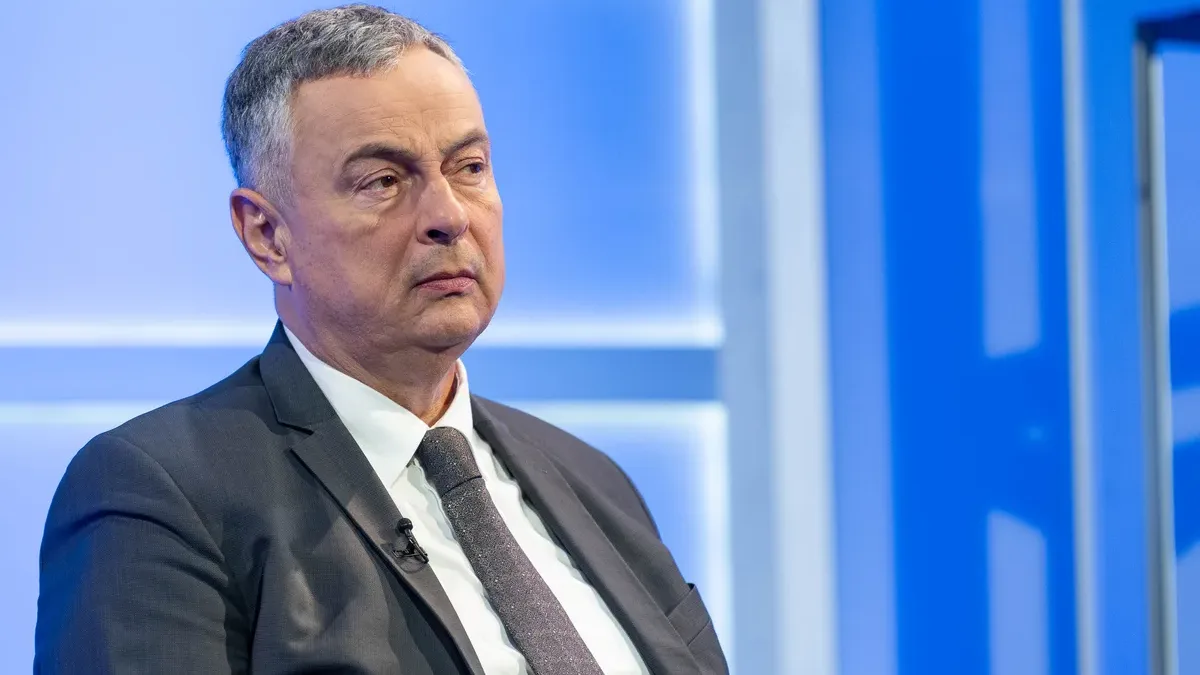
Dejan Soskic, former governor of the National Bank of Serbia (NBS), professor at the Faculty of Economics and a representative of the Student List, said the list does not plan to change the exchange rate regime: the dinar stays pegged to the euro. He said the same about nationalizing the Petroleum Industry of Serbia (NIS), which he does not support, while describing the collapse of Alta Banka as something that could have been prevented. He spoke on the RTS show Oko, and the remarks were reported on November 10 by N1 and Vreme.
What does Soskic say about the dinar exchange rate?
Soskic argues that holding a fixed rate was never technically hard, only a matter of decision. As grounds for his calm assessment, he said Serbia has enough foreign currency reserves and monetary policy instruments to support such a rate.
“The Student List is very clear: the exchange rate will be fixed, and there is no discussion about it at this point.”
He also rejected the idea that maintaining a fixed rate is a special skill of the responsible institutions.
“It was never hard to hold a fixed exchange rate. Holding a fixed exchange rate has always been easy. It is just that our public was fed a completely false claim that holding a fixed rate is some exceptional ability. No, it is a matter of decision.”
He added that any destabilization of the rate would, in his view, be proof that someone wanted it to happen.
Why is he against nationalizing NIS?
NIS is under US sanctions because of its majority Russian ownership. Soskic said Serbia has three options: using its right of first refusal, direct negotiations with the Russian owner on a partial or full takeover of the majority stake, and nationalization. He favors the first two.
“Personally, I think the right of first refusal makes a lot of sense, and so do direct talks with the Russian side, because I think there are very strong arguments that the circumstances of NIS’s operations have changed substantially from those in which the Russian partners came in as buyers and later as the dominant owners.”
He rejected nationalization, explaining that it sends a bad message not only to the Russian partner but to foreign investors in general.
“Nationalization is something I do not advocate. I have said so publicly, and I think it is not a good thing.”
He also criticized the state’s approach so far, saying Serbia should have opened talks with the Russian partners as early as 2022, when the West imposed sanctions on Russian companies. A solution to the sanctions, he added, also requires an agreement with the US administration so that the company’s operations stay safe. On gas, he said Serbia must develop alternative supply routes so it does not depend on a single supplier.
What does he say about the Alta Banka collapse?
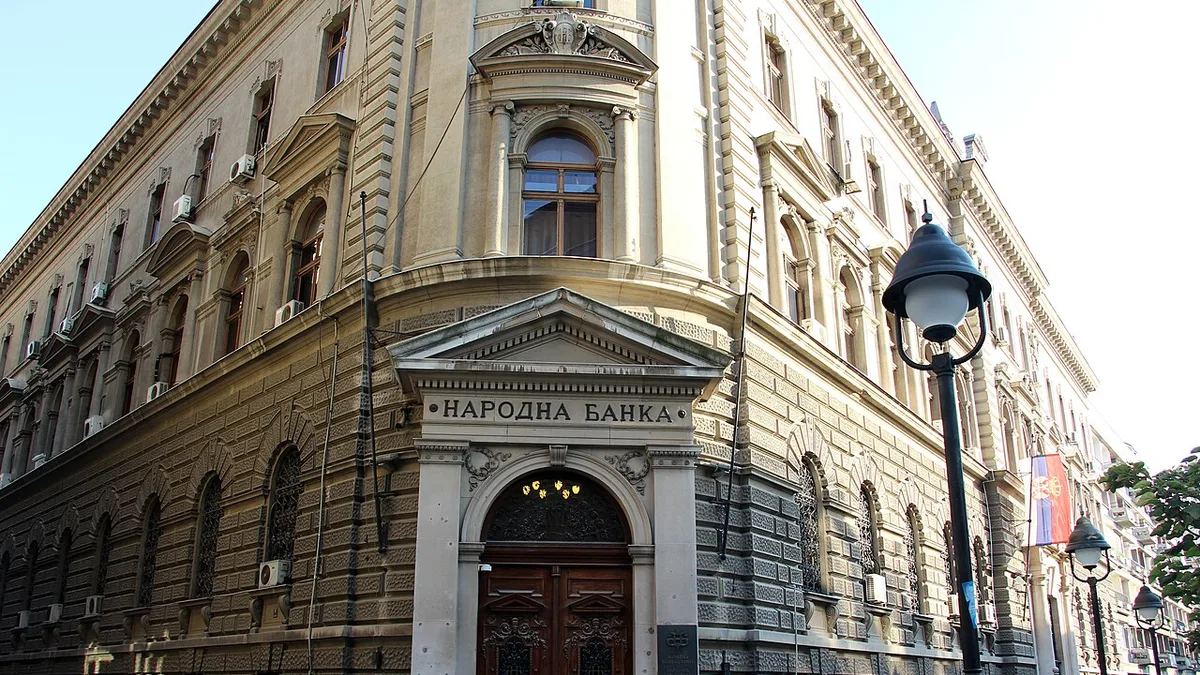
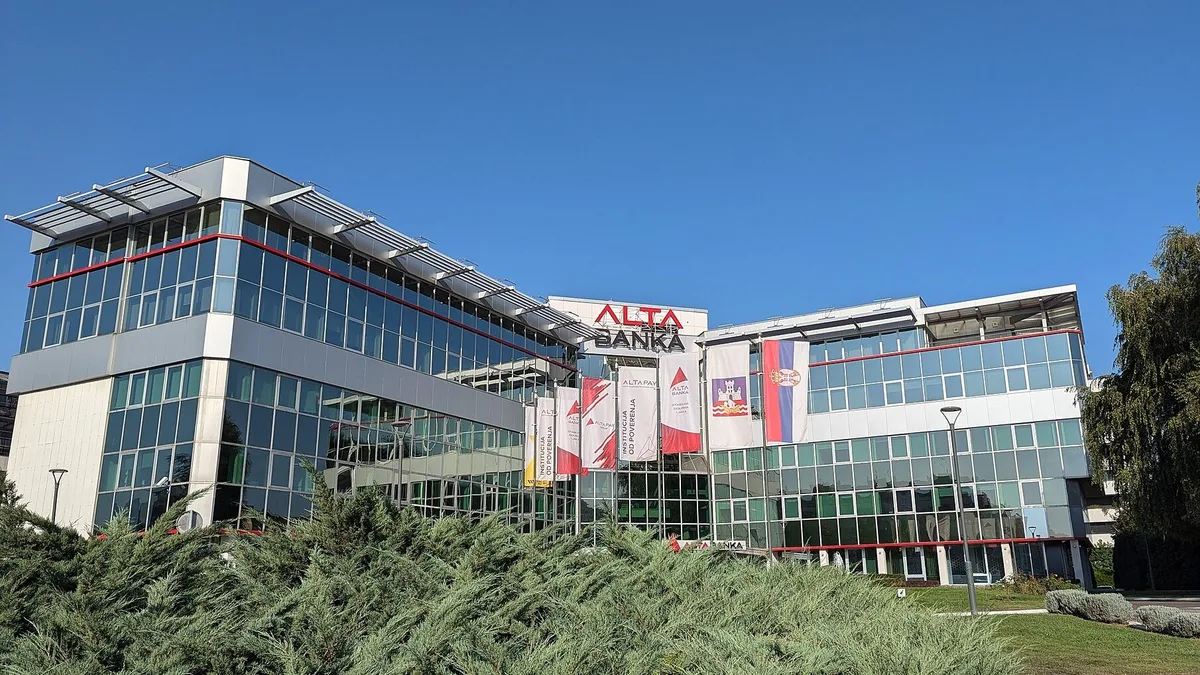
In Soskic’s assessment, Alta Banka’s problems began when its new owner was allowed into the banking sector, even though, as he claims, the group that took over the bank did not meet the legal requirements. The NBS then, he believes, had legal instruments to react but did not use them in time.
He singled out one warning sign in particular: Alta Banka reported more than 20% of its assets as cash. In his words, that was a signal that should not have been ignored. He proposed that an investigation start with the director of the NBS bank supervision department and go all the way up to the top of the NBS management, and he also criticized the 2018 amendments to the Law on the NBS.
“All of us, as citizens, will pay the price of the corruption that took place at Alta Banka.”
On the bank’s ownership, he also said it is not usual in a banking system for exchange offices to buy banks.
“It is not normal in a banking system for exchange offices to buy banks.”
Why is Postal Savings Bank a different story?
Soskic stressed that Postal Savings Bank cannot be compared with Alta Banka, because the state owns it and can provide additional capital and liquidity if needed. Liquidity support instruments, he said, have already been activated.
“The bank is liquid, so Postal Savings Bank is liquid.”
He criticized the caretaker Serbian government for not addressing the public, as the finance ministry had proposed, to explain that there is no reason for concern. He also criticized government representatives and some media outlets for spreading stories about the dinar losing value and unpaid pensions.
“It is not in the country’s interest to fuel baseless panic. It is in the country’s interest to tell the truth.”
Will Soskic join the government?
Asked about his personal role, he answered that he expects to enter parliament as a member as early as next week. He did not rule out being part of the executive branch, but said there have been no concrete talks about it and that he will consider the students’ proposal if they put one forward.