Alta Leasing Enters Liquidation, Payments Go to AIK Bank
The National Bank of Serbia revoked Alta Leasing's license, and the Deposit Insurance Agency will act as liquidator. Existing contracts stay valid; installments go to an AIK Bank account.
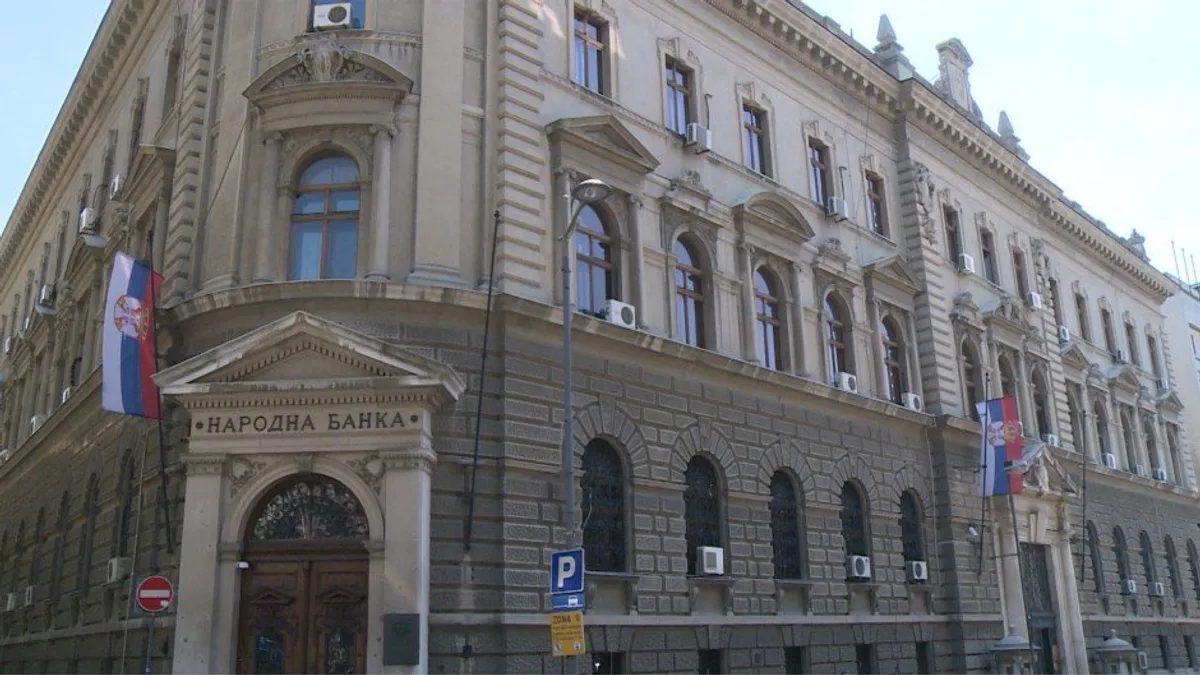
Alta Leasing customers must keep paying their installments, but now to account 105-0000003084086-19 at AIK Bank, after the National Bank of Serbia (NBS) revoked the license of Alta Leasing d.o.o. Beograd on November 17, 2026. At the same session, the NBS Executive Board found that the conditions for liquidation, not bankruptcy, were met. The announcement was published on November 18.
Why did Alta Leasing lose its license?
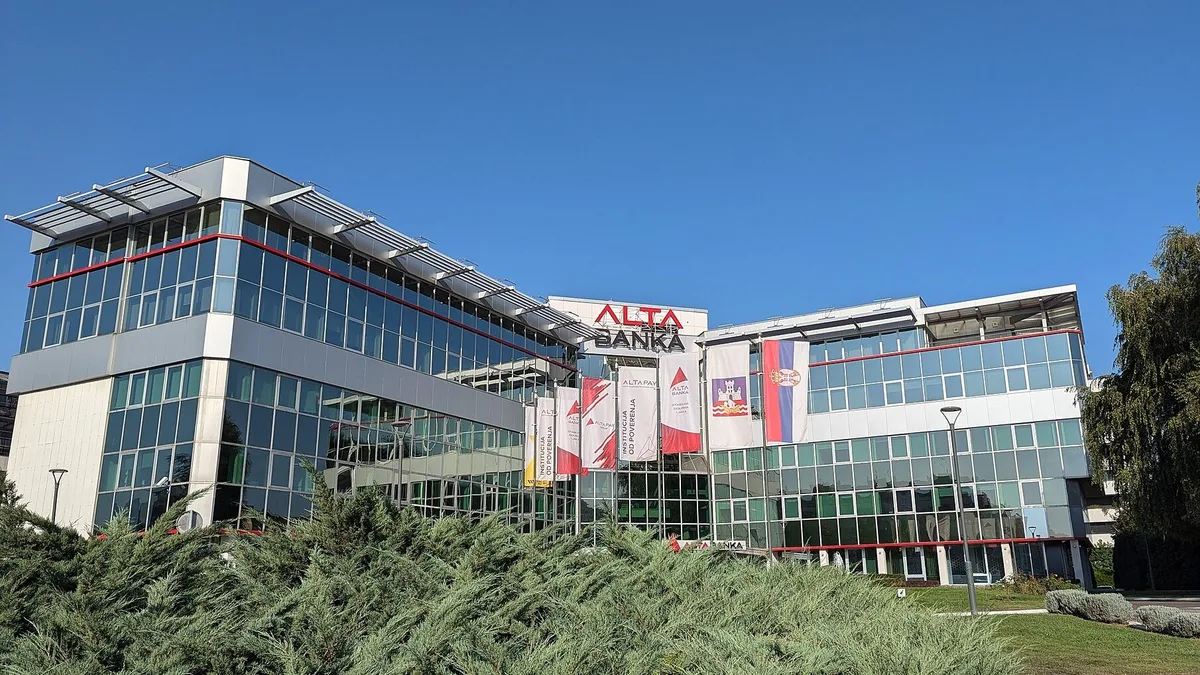
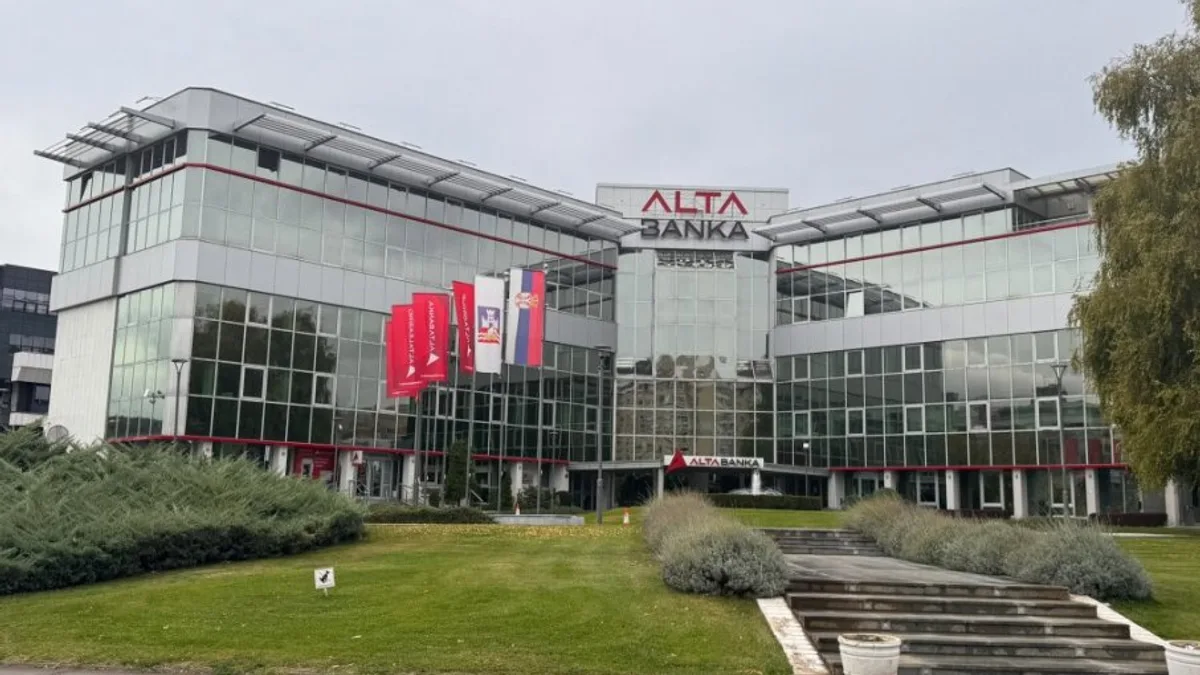
The company’s sole owner is Alta Banka a.d. Beograd, which is in bankruptcy. The NBS concluded that the bank, as the only founder, no longer meets the legal requirements of a satisfactory financial standing and a positively assessed business reputation, which created grounds to revoke the leasing company’s license.
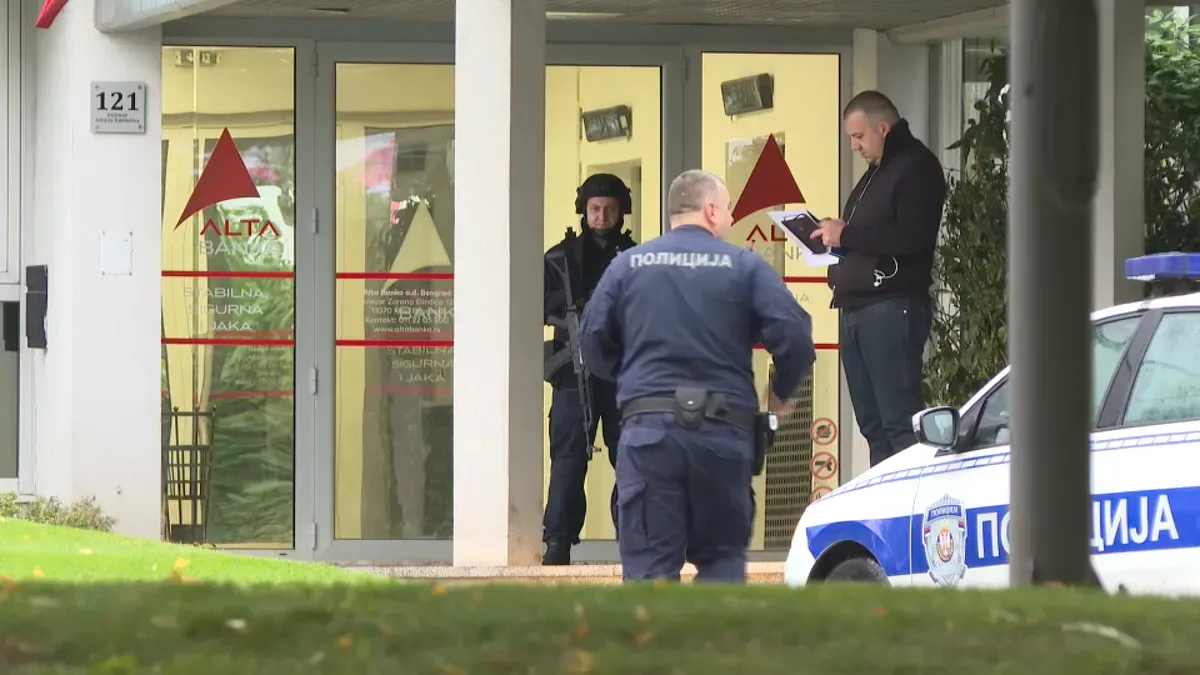
Alta Banka lost its operating license in late October, bankruptcy was declared on November 3, and the Commercial Court in Belgrade appointed the Deposit Insurance Agency as bankruptcy trustee.
Under the Law on Financial Leasing, the NBS must decide at the same time as it revokes a license whether the company goes into liquidation or bankruptcy. The analysis showed that the company’s assets exceed its liabilities, so liquidation was chosen. The NBS considers it the better option for creditors and leasing customers.
What changes for leasing customers?
- Existing contracts remain in force, and the rights and obligations under them do not change.
- From the day the license revocation is entered in the register, Alta Leasing cannot conclude new contracts.
- Installments are paid to account 105-0000003084086-19 at AIK Bank, using the same reference number as before or the leasing contract number.
The NBS stated in its announcement: “The rights and obligations under previously concluded contracts remain unchanged.” It also explicitly warned about the duty to keep paying:
“We particularly emphasize that the start of liquidation proceedings does not release leasing customers and other debtors from the obligation to regularly settle their contractual obligations. All obligations toward Alta lizing d.o.o. Beograd must continue to be fulfilled in accordance with the terms of the concluded contracts. Failure to settle obligations on time may, under the conditions provided by the contract, lead to termination of the contract and the maturity of all remaining obligations under that contract”
In other words, a late installment can end the contract and make everything still owed due at once. Customers can get further information from the Deposit Insurance Agency.
Who runs the liquidation and what applies until it opens?
The Deposit Insurance Agency will serve as liquidator, and the Commercial Court in Belgrade formally opens the liquidation with its ruling. Until then, a ban on disposing of the company’s assets applies, and legal transactions concluded in its name between the license revocation decision and the opening of liquidation are void.
The central bank stresses the difference between a leasing company and a bank. In its words, “Alta lizing is not a bank, but a company engaged in financial leasing,” and it does not take deposits from citizens or businesses. For that reason, as the announcement states, the decisions “do not affect the stability of the financial system of the Republic of Serbia”.
What is known about the wider Alta case?
Alta Banka owner Davor Macura was arrested on November 2, and the Higher Court in Belgrade ordered up to 30 days of detention on November 4. The Prosecutor’s Office for Organized Crime alleges that around 380 million euros were illegally taken out of Alta Banka over six years. According to N1, Macura denied guilt.
Accounts of Alta Group, a company wholly owned by Macura, have been frozen since November 13 through enforced collection. According to NBS data reported by Vreme, the blocked amount on the morning of November 18 was 676.7 million dinars (about 5.8 million euros) across 105 dinar and foreign currency accounts, out of 126 accounts in total at eight domestic banks.