Goran Bare Buried in Vinkovci, Majke Send Wreath
Goran Bare was laid to rest at the Vinkovci City Cemetery: his parents in wheelchairs beside the coffin, a wreath from the band Majke and a priest's words over the casket.
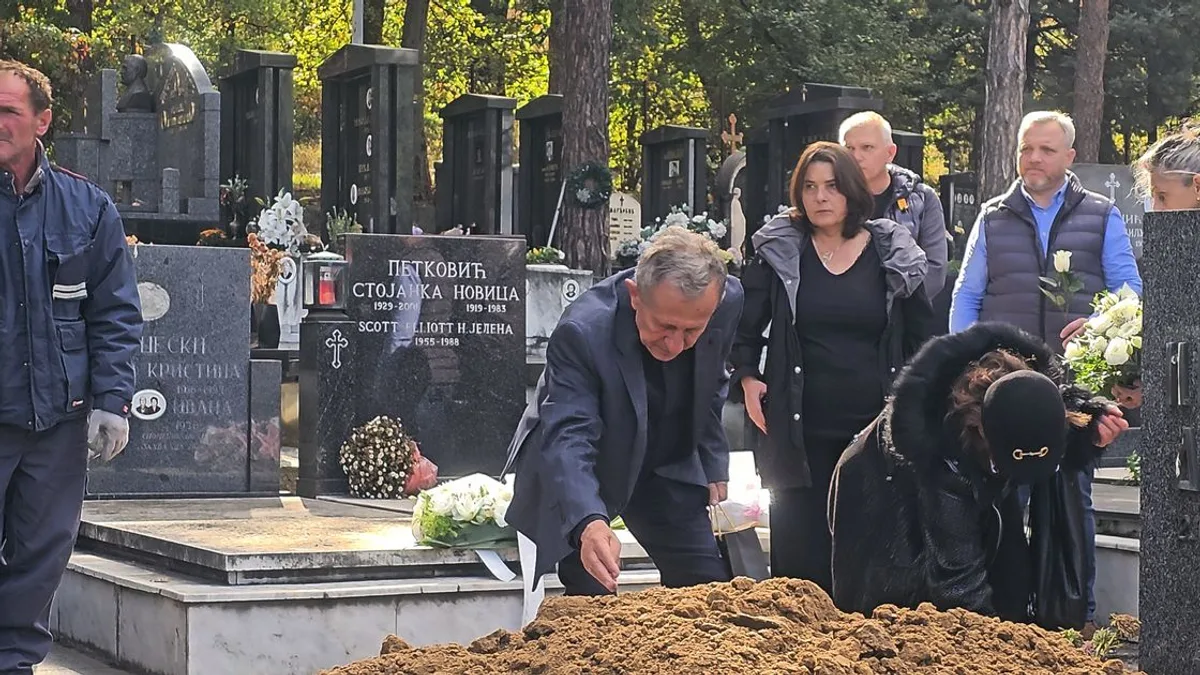
Goran Bare was buried in Vinkovci, the town where he grew up and began his career. The farewell was held on October 14 at 1 p.m. at the City Cemetery. The Majke frontman died on October 9 at the age of 62.
We reported the time of the funeral earlier. His family decided that anyone who wished to pay their respects was welcome to attend.
Who stood beside the coffin?
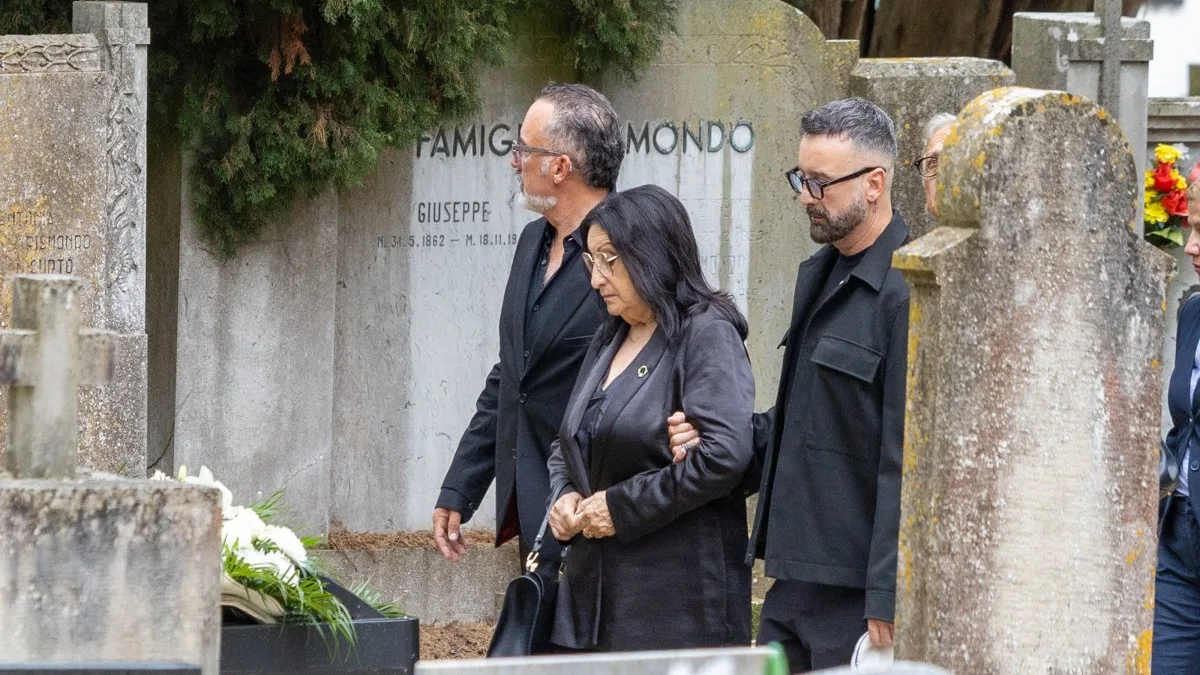
His family arrived among the first: his mother, his father and his son. Both parents are in wheelchairs and did not leave the coffin. His mother wept inconsolably and lamented aloud as people came forward to offer their condolences.
The family brought a wreath of red gerberas and white roses. The ribbon reads: “A last farewell to dear Goran from Mom, Dad and your son.”
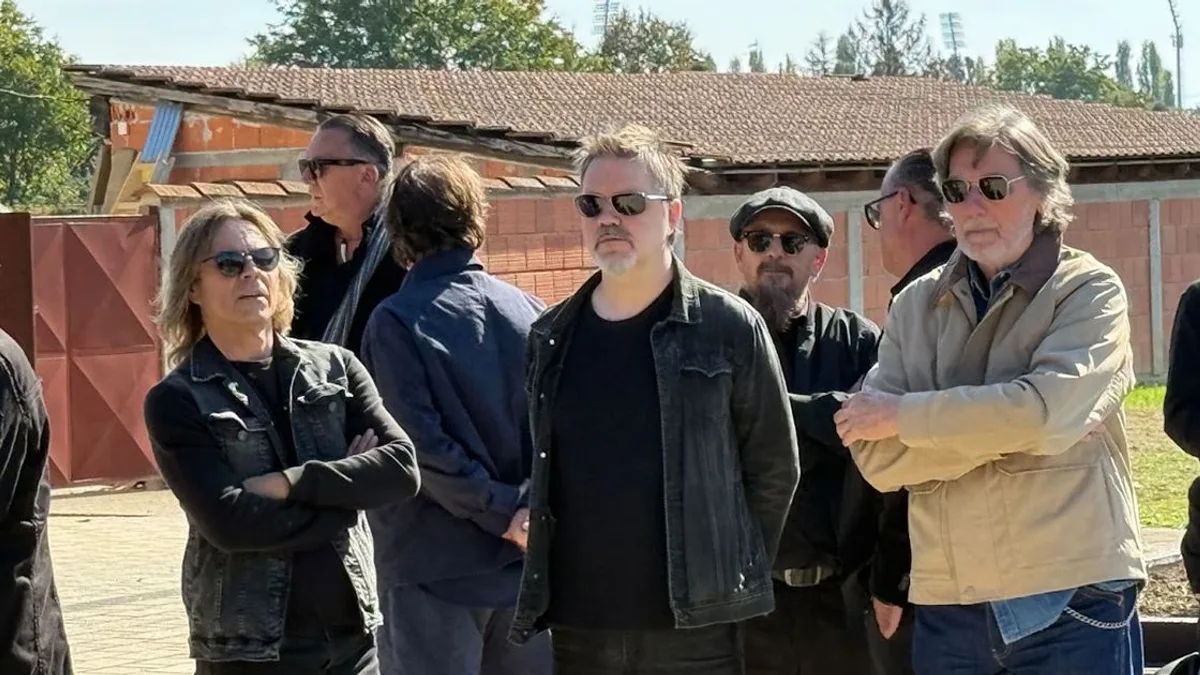
Members of Majke came to say goodbye to their singer and brought a wreath of white flowers. The ribbon, in gold letters, reads: “A last farewell to our Goran from the band Majke.”
According to Croatian media cited by Kurir, Zoran Kostic Cane, the singer of Partibrejkers, also attended. Kurir attributes this to the portal Dnevno.hr.
What did the priest say over the coffin?
The priest spoke about Bare’s struggles with addiction from his youth and what they took from him. Over the coffin he said:
“That marked your life and weighed on it from your youth. It pushed you into darkness, into situations with no way out. Through it you lost the woman you loved. Your marriage and your family fell apart. You fell apart a little yourself, but that was not the only thing, nor the main thing, in your life. Music marked you too. In your helplessness and your wish to overcome it all, you sang about love, you searched for meaning, love, light, a way out. We could say you were searching for God, and I believe you found him. God, the father of mercy.”
He then read a text whose author was not named, introducing it with the words “Someone wrote the following.” It begins:
“You were a man who never hid his weaknesses, who spoke about life without sugarcoating it, and who turned everything he felt into music.”
How was his death announced?
Mario Rasic and Alen Tibljas confirmed the news of his death to Vecernji list. According to Telegraf, band members found his body in his apartment.
Bare spent the last years of his life in Zagreb, but his family wanted him buried in Vinkovci, where he was born on August 16, 1965. Majke had earlier issued a statement, thanked people for their messages of condolence and asked the public to respect the privacy of the family and of Bare’s closest friends.
From Vinkovci to Teske boje
He founded his first band, Duo debili, in 1980 with his friend Marin Pokrovac. At the end of 1984 he founded Majke. The band released its first album, “Razum i bezumlje,” in 1990. A year later came his solo project Hali Gali Halid, a blend of garage rock and folk music.
With a new lineup of Majke, these albums followed:
- “Razdor” (1993)
- “Milost” (1994)
- “Vrijeme je da se krene” (1996)
- “Put do srca sunca” (1998)
In the early 2000s he launched a solo career with the backing band Placenici and released the album “Izgubljen i nadjen” (2001), which produced the song “Put ka sreci.” After a break he brought Majke back together. The 2011 album “Teske boje” won six Porin awards, and the studio album “Nuspojave” came out in 2018.