BupBap Festival: From Farinelli to Rave in Belgrade
BupBap, Belgrade's first art platform, runs from September 29 to October 15: Stravinsky and Schoenberg open the festival, castrato repertoire in the cathedral, jazz at Zappa Baza, and a closing rave.

On the BupBap poster, a girl blows a pink bubble gum bubble while a thin wooden stick reaches toward it, close enough that the outcome is obvious before it happens. For a festival that opens with Stravinsky and closes with a rave, that image works as an honest self portrait.
BupBap stands for the Belgrade Art Platform, and, as its founder points out, the acronym works the same way in both Serbian and English. The first edition runs from September 29 to October 15, across several venues in Belgrade, and the program released this week has finally replaced a content free announcement with an actual list of dates, venues and names. That list is the reason there is anything to write about the festival at all.
The platform is led by Olja Jacobs, its founder and curator, who started with colleagues from the idea that Belgrade had no festival bringing baroque vocal tradition, contemporary performance and club culture together under one program.
“Our festival, first of all, brings together a younger generation of artists and opens space for different musical directions, art forms, ideas and perspectives to meet. Commissioning new works carries particular value for us, because we believe festivals should contribute to research and to building new repertoire. We are also proud of the rich educational segment, since we will open up a number of subjects in our music talks that are still taboo in our environment,” Jacobs said.
Commission is the key word here, more on that later, because it is the one item in this announcement that sets the festival apart from a well arranged run of concerts.
What the Program Looks Like
- September 29, Dorcol Plac: the concert performance “Between Worlds,” conceived by violinist Tijana Milosevic and directed by Nikola Zavisic. Alongside Igor Stravinsky’s “The Soldier’s Tale” and Arnold Schoenberg’s “Transfigured Night,” the program includes the world premiere of “Melodies of Acceptance” by Jug Markovic, commissioned for the occasion. The evening combines music, theater, dance and video work.
- October 7, Cathedral of the Assumption of the Blessed Virgin Mary: “Baroque Night,” inspired by the repertoire of the famed castrato Farinelli. Countertenor Vojtech Pelke performs, joined by the St. George Strings under conductor Srboljub Dinic.
- October 11, Belgrade Philharmonic Hall: “Synergy.” Double bassist Strahinja Mitrovic, the edition’s youth ambassador, leads postgraduate students from London academies alongside students from the School for Music Talents in Cuprija. Vuk Volkov Popovic conducts, cellist Dragan Djordjevic Suzuki appears as guest, and the program includes the Serbian premiere of the “O Albion” movement from Thomas Ades’s “Arcadiana,” alongside Tchaikovsky’s “Souvenir de Florence,” Elgar’s “Introduction and Allegro” and Rossini’s Duet for Cello and Double Bass.
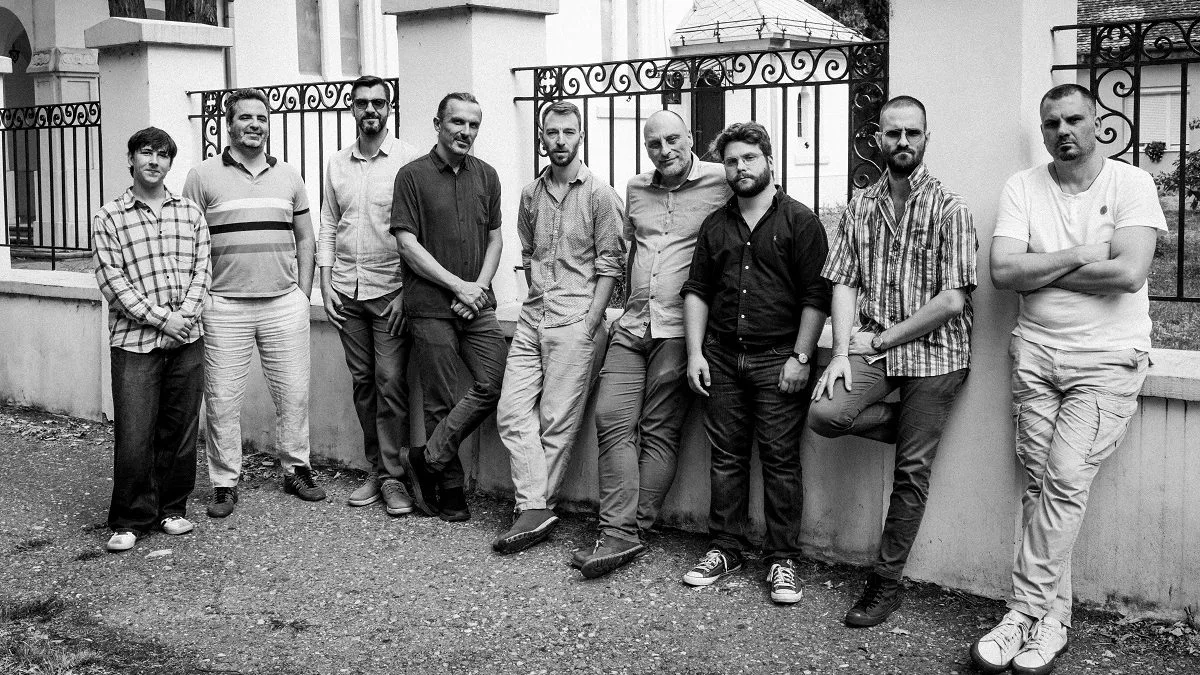
- October 13, Zappa Baza: the jazz program “Leap,” marking a hundred years since the birth of Miles Davis and John Coltrane. The Faculty of Music jazz octet performs, in arrangements by Vladimir Nikolov.
- October 14, Balkan cinema: “Sound Threads,” an original concept by Irina Decermic, part of a block dedicated to sound therapy.
- October 15, Dorcol Plac: a talk by psychiatrist Dr. Aleksandra Damjanovic on the psychiatry of rave and why we need trance states, followed by the rave party that closes the festival.
Alongside this comes a series of masterclasses by Belgrade Philharmonic soloists at a venue on Decanska Street, music talks, and a systemic constellations workshop led by Dr. Jelena Djordjevic.
Why Do a Castrato and a Rave Share the Same Lineup?
Because that is the only way a seventeen day program avoids falling apart into three unrelated evening slots. Farinelli and club trance share no repertoire, but they share a premise: the state of mind that music produces in the listener’s body. Dr. Damjanovic presents that idea as a lecture, Irina Decermic as a concert, and the rave, at the end, as practice. The selection is thematic rather than genre based, and that is what sets BupBap apart from the usual domestic model, where variety gets defended with the line that there is something for everyone.
The question is how well that premise holds up in the hall. “Between Worlds” carries the greatest risk, since it combines four media around two works that already demand full attention on their own, and Schoenberg’s “Transfigured Night” does not tolerate illustration. If the video work starts explaining the score, the evening turns into a presentation of a concept.
The focus on young musicians is not just a formality. Mitrovic, on Ades’s “Arcadiana,” says: “Ades wrote that at 23, and it’s symbolic for this concert,” he emphasized.
The festival has also opened a competition for poster design concepts, open to graphic design students and other visual arts students. Entries go on a group exhibition during the festival, and the author of the winning design gets a solo exhibition in 2027.
Back to the commission. The commissioned work is the one item that continues to exist after the festival ends, while the rest of the program shrinks down to memory and photographs. Markovic’s “Melodies of Acceptance” will either become a piece that someone else goes on to perform, or a one time opening night ceremony. That, rather than the number of venues, is the real measure of BupBap’s first edition.