

Psihomodo Pop in Belgrade: Gobac Would Ban the Idiots
The singer announces two Belgrade nights, October 30 and 31, and says the song Ja volim samo sebe is no longer a provocation but reality.
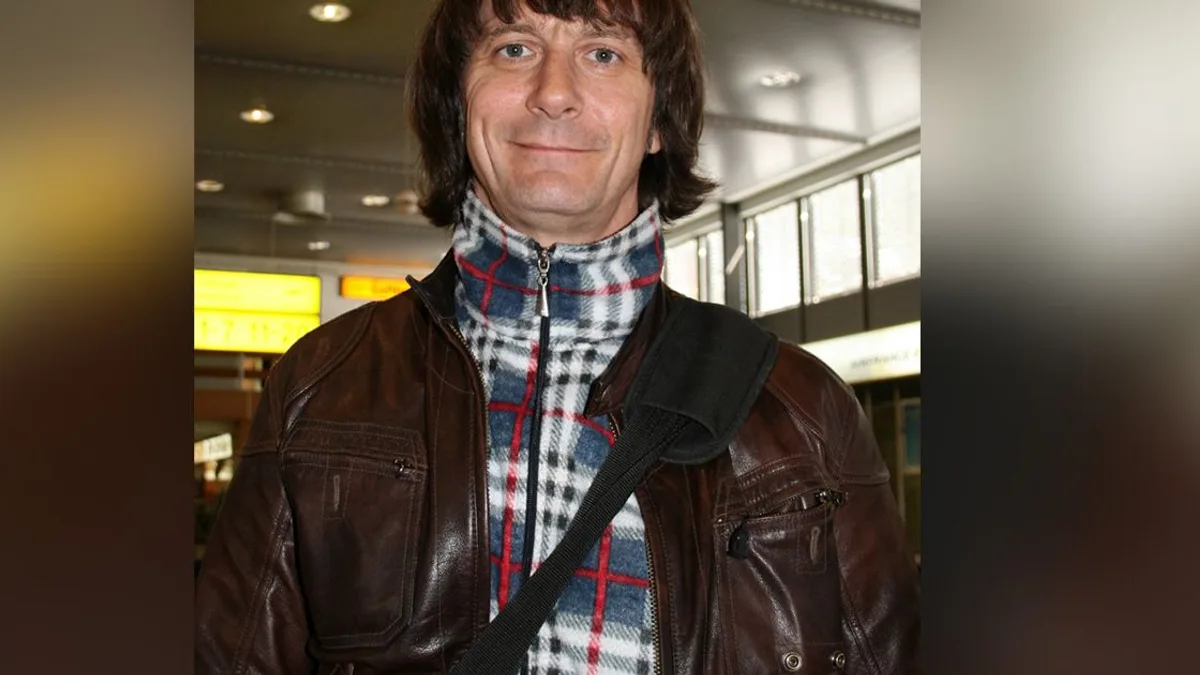
Asked what he would ban at concerts for good, Davor Gobac did not have to think long. “I would ban the idiots who throw things at performers from entering the hall,” the singer said ahead of two Belgrade shows by Psihomodo Pop, set for October 30 and 31 at the BitefArtCafe club.
That line is more than a passing curiosity. It is a good way into everything else he said in the same conversation: about rock, which is doing worse in the Balkans than it used to, about his band’s best-known song, which went from provocation to everyday life, and about a job he has done for four decades and, by his own account, cannot do any better at anything else.
Where and when do Psihomodo Pop play in Belgrade?
The band plays two nights in a row, October 30 and 31, 2026, at BitefArtCafe. Tickets are sold through bilet.rs. In their announcement the organizers say that after sold-out concerts across the region, Belgrade audiences get a chance to hear the band in a club setting. The songs named in the promotion include “Ja volim samo sebe” (“I Love Only Myself”), “Frida”, “Ramona”, “Natrag u garazu” (“Back to the Garage”), “Osjecam se haj” (“I Feel High”), “Donna”, “Mila”, “Nema nje” (“She Is Not Here”) and “Sve ce biti u redu” (“Everything Will Be Fine”).
The biography supplied by the organizers highlights a tour of more than 60 sold-out concerts in what was then the Soviet Union, shows with Ramones, the first video by a regional band ever shown on MTV, and several Porin awards. They also name the album “Godina Zmaja” (“Year of the Dragon”) among the cult titles.
What does Gobac say about rock, rebellion and the Balkans?
Asked whether it is a bigger act of rebellion today to play rock or to stay yourself, Gobac answered without grand rhetoric:
Rock’n’roll is today one of the genres that is still alive, somewhere better, somewhere worse. I’m afraid that in our Balkan region it is alive a bit worse than it used to be, but in any case, today it is a bigger rebellion to stay yourself, I think.
It is the verdict of a man who, in his own words, has been on stage for four decades. Asked what still puts him on stage after so many years, he said he has been “playing and singing with his band around him for forty years,” that he “really doesn’t know how to do anything else,” that he loves the stage and loves “our sweet little audience.” He applies the same yardstick to a young band and to the “old” ones: both, he says, need courage “to even play rock’n’roll today when everybody is playing some kind of peasant stuff around.”
Asked whom he would call up for a band of five regional musicians, he had no names: “I have no idea who I’d call for a new band. I’d call the same ones who already play with me, because I can’t be bothered to teach new people to play new songs.” And asked what he last changed his mind about, he said: “I haven’t changed my mind about anything for a long time.”
Why is “Ja volim samo sebe” more relevant today than in 1987?
Gobac gave his longest answer to the song the band is remembered for most. Asked whether he would write the same lyrics today, he said the song has never been more relevant, and that it has changed in nature:
“Ja volim samo sebe” (“I Love Only Myself”), I think it has never been more relevant. You look around the world, everybody loves only themselves and nobody else, and in the end that turned into something like World War Three. I have a feeling that when I wrote “Ja volim samo sebe,” back in ‘86 or ‘87, it was actually a provocative song, and today it’s not provocative at all, it’s reality.
On decisions that looked completely crazy at the time and look good now, he mentioned the album “Srebrne svinje” (“Silver Pigs”): when they started making it, he says, everyone would listen and say “That wouldn’t be commercial,” and today it is one of the band’s cult albums. In the concert announcement Gobac is also quoted describing the heart of the band: “If a band doesn’t whip up energy, if there is no excitement, then it isn’t rock’n’roll.”
For two nights at BitefArtCafe, at least, it is clear what the frontman expects from the room: energy from the band, and no flying objects from the crowd.


