

Dog in the car for summer 2026: five rules for safe holiday travel
Most dog owners make two serious mistakes on summer trips. Five rules that protect a dog from heatstroke, collision injury and travel stress, with what vets actually advise.
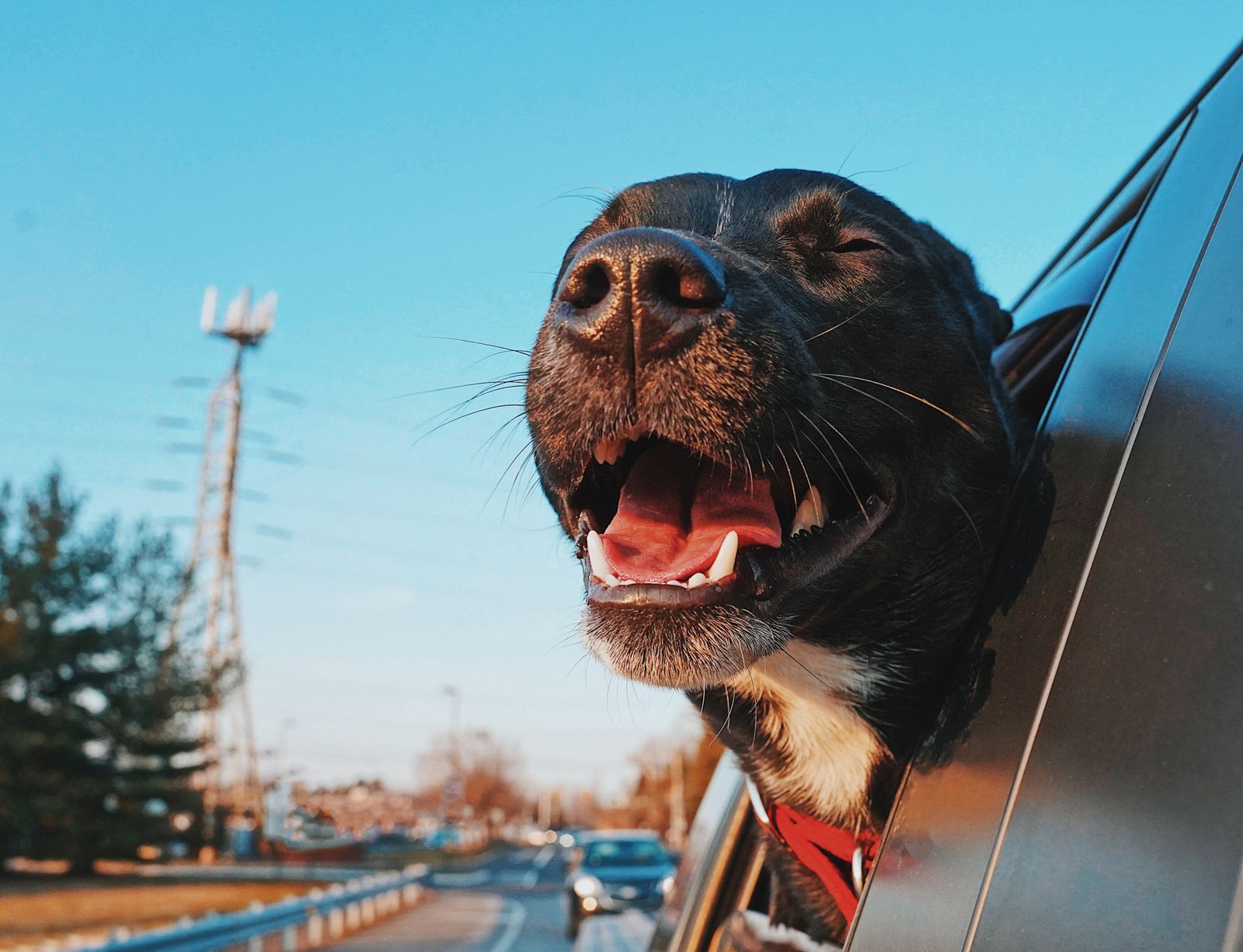
Can a dog hang its head out the window while you drive to the coast? Short answer, no. Even if the dog is convinced otherwise.
A dog with its head out a moving window is two jolts away from a serious incident. The first pebble or insect in the eye ends with an emergency vet visit 200 kilometres from home.
Summer travel with a dog is a different sport from the neighbourhood walk. The temperature inside a closed car in summer rises by 10 to 15 degrees in 15 minutes, even with windows cracked. That is the single statistic every owner should memorise.
Five rules before you set off
- The dog must be harnessed or in a travel crate. Sitting on the driver’s lap or loose in the boot is illegal under Serbian traffic rules, and dangerous to the dog in a sudden stop. A canine seatbelt harness costs 1,500 to 4,500 dinars, roughly €13 to €38. A travel crate starts at 4,000 dinars, around €34.
- Never leave a dog alone in a parked car. The American Veterinary Medical Association and regional veterinary bodies are unambiguous, five minutes in a parked car in summer can be fatal. At 22 degrees outside, the inside temperature reaches 47 degrees within 30 minutes. Cracked windows make no real difference.
- A break every two hours. Water, a toilet stop, a leg stretch. An adult dog needs a break every two hours, a puppy or senior dog every hour. Hydration matters more in summer, offer water at every stop, do not leave an open bowl rolling around in the car.
- Air conditioning on a comfortable setting, not freezing. A big gap between the inside and outside temperature stresses a dog’s body. Especially when stepping out of a cold car into 35-degree heat. Keep the AC at 24 to 25 degrees instead of 18.
- Forget the head out the window. That classic photo carries three risks. Sand, insects and pebbles can injure the eye. Constant wind triggers ear inflammation in sensitive breeds. A sudden stop can throw the dog out of the window.
Heatstroke, what to watch for
Dogs cool themselves through the tongue, not the skin. They overheat faster than people expect.
Heatstroke signs:
- Rapid, shallow breathing
- Excessive drooling
- Red gums
- Loss of coordination
- Vomiting
- Loss of consciousness
If you see these signs, move the dog to a cool environment immediately. Slowly dampen a cloth with cold (not iced) water and place it on the belly, neck and paws. Call the emergency vet line right away, do not wait to reach your regular vet.
What to pack for the dog
- Water from home in a sealed bottle, around 200 ml per hour of travel
- A water bowl, plastic or silicone collapsible
- Food for the whole trip, plus two extra days
- Vaccination record, essential for border crossings
- Notes on what the destination country requires, some need a vet certificate
- Any medication the dog takes regularly
- A toy from home for comfort
- Poo bags and hygiene wipes
Borders and foreign travel
Taking a dog out of Serbia requires a microchip, a rabies vaccine at least 21 days old and no more than a year old, and an EU pet passport or veterinary certificate. Border vets check these three documents at every major EU and regional crossing.
A practical tip, photograph the documents before the trip and keep them on your phone. Many people misplace the paper version somewhere in their luggage and cannot find it on the way back.
Five signs your dog should not travel far
- Prone to car sickness, even on short rides
- Senior dog with heart or respiratory problems
- Puppy under three months
- Short-snouted breeds, French bulldog, pug, boxer, extremely heat-sensitive
- A dog stressed by change of environment, some are calmer with a trusted carer
If your dog fits one of these groups, consider a friend, a professional dog sitter or a boarding kennel instead of bringing them along. That is not a failure as an owner, that is care for the dog.
A practical tip for the first stop
The first break after 90 minutes of driving, not after two hours. The dog is still adjusting to the trip, water and five minutes of stretching reduce stress for the rest of the drive.
Do not offer a large meal at the stop. A dog’s stomach is sensitive to the motion of the car.
Have you travelled with a dog on holiday? What was the hardest part to organise? Let us know in the comments.


