

Heatwave and the home medicine cabinet: storing drugs
The heat arriving on June 19 does not only hit people, it hits medicines too. Above 25 degrees many lose their effect. Here is a pharmacist's practical, step by step guide.
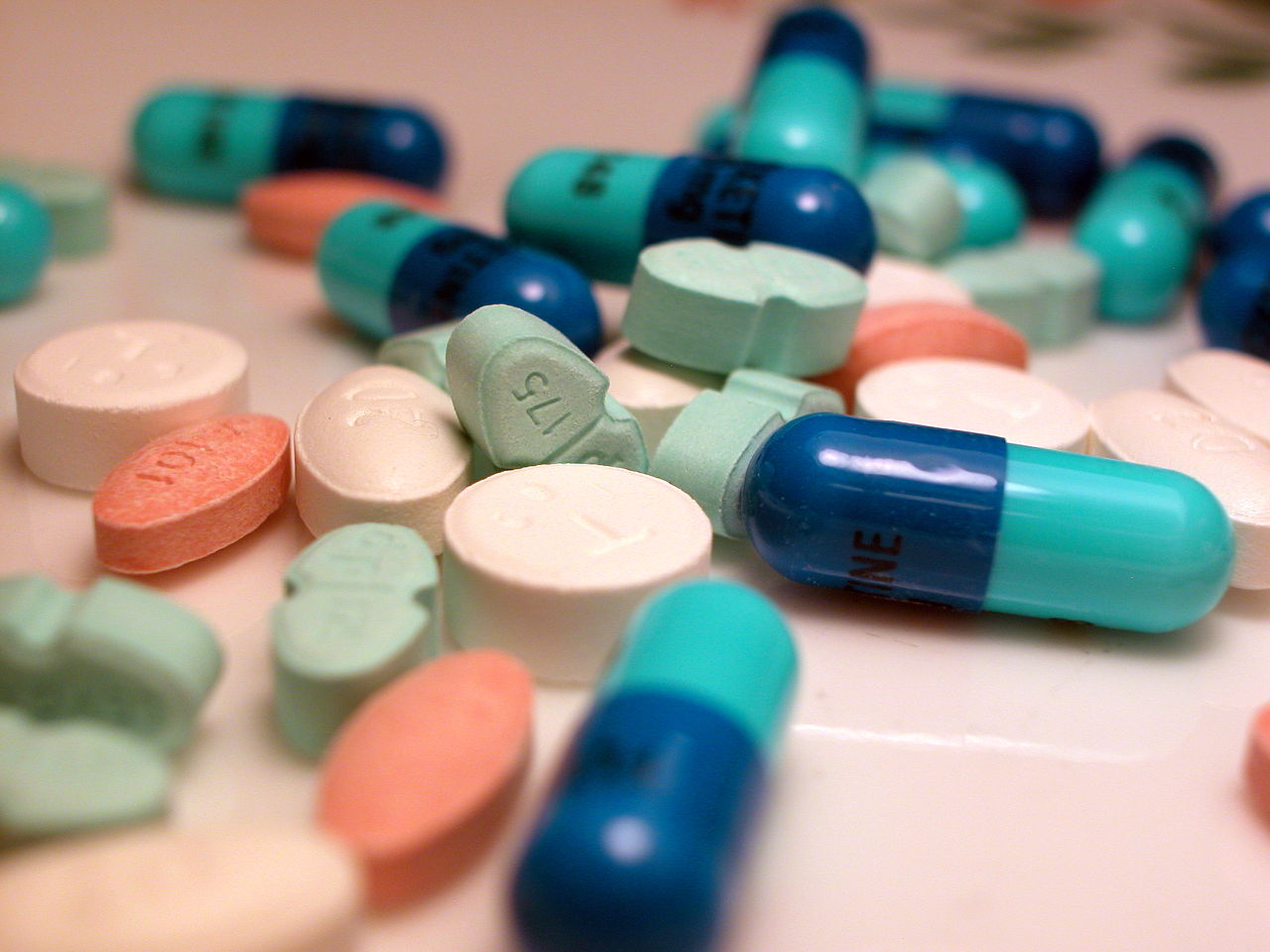
- Medicines should be kept in a dry, dark and cool place, at temperatures up to 25 degrees.
- High temperatures can alter the active substances and reduce a drug's potency, or trigger its breakdown.
- Antibiotics are recommended in the fridge during the hottest days, but chilling drugs that do not need it is not advised.
- Heart medicines, anti epilepsy drugs and hormone therapy are especially sensitive to heat and light.
Have you ever wondered what the heat does to the boxes in your home medicine cabinet? The answer is simple: the same temperature that sends you looking for shade can also spoil the very drug you are counting on. The heatwave forecast for June 18 onward is not only a problem for people, it is a problem for the shelves where your tablets, syrups and drops sit.
This is the lesser known side of hot weather. While we follow the forecast and the advice on staying hydrated, medicines quietly suffer. Once the thermometer passes 25 degrees, many products start to lose quality. You will not see it with the naked eye, and that is exactly why it is risky.
What does heat actually do to a drug?
The active substances in medicines are delicate. High temperatures can change them and cut the product’s potency, and with some drugs they even trigger a breakdown. In practice that means the tablet you swallow on a sweltering day may not work the way it should, even though it looks the same on the outside.
Heart medicines, anti epilepsy drugs and hormone therapy are particularly sensitive. They cope badly with both heat and light, so they need the most care. Our advice is to move exactly those boxes off the windowsill or out of the shelf above the stove first.
There is one rule that many people break with the best intentions. Antibiotics really are recommended in the fridge during the hottest days. But that does not mean the entire medicine cabinet belongs there. Chilling drugs that do not require it is a bad move and can harm them as much as the heat would.
Where in your home should the cabinet go?
Start with the spots that feel convenient but are actually the worst. The bathroom and the kitchen are the first mistakes. Both have too much moisture and frequent temperature swings, so medicines deteriorate quickly there. However handy the bathroom cabinet may be, it is a poor choice.
The direction is the opposite. Look for the coolest room in your home, one that is dark and dry, away from direct sun and any heat source. Often that is a cupboard in the hallway or in a room that does not overheat. Before you start moving boxes around, here is a simple step worth taking.
Before transporting medicines or changing how you store them, ask your pharmacist. It is first hand advice that protects you from a wrong assumption. It matters most when you travel to the coast or the mountains, because a car parked in the sun can climb far above that critical 25 degrees.
Step by step, it all comes down to a few habits. Check where your cabinet sits, move sensitive drugs away from warm spots, avoid the bathroom and kitchen, and put only what truly belongs there in the fridge. These are practical tips you can use today, before the heat takes its toll.
So where do you keep your home medicine cabinet right now, somewhere that genuinely stays cool, or is it time to move it?


