Aegean Weather Shift: Stronger Meltemi Winds This Weekend
Days stay sunny and hot, but this weekend the northern meltemi winds pick up across the Aegean, raising waves and changing swimming and ferry conditions. Here is what to watch for.

- This weekend the northern meltemi winds across the Aegean strengthen, with forecasts mentioning up to 6 to 7 on the Beaufort scale.
- Days remain sunny and hot, but after the muggy spell comes a drop in temperature and stronger wind.
- Strong wind raises waves and affects swimming on open beaches, so check the status of your ferry line before you travel.
- Inland Greece may see sudden summer storms with short, heavy downpours and thunder.
Packing for a Greek island this weekend? Then it is worth taking one more look at the forecast before you go. After a few muggy days, the northern meltemi winds are picking up across the Aegean, the sea is getting rougher, and conditions for swimming and sailing are changing by the hour.
Let us be clear - this is not the end of summer. The days are still sunny and warm, and sunbathing or lunch on the terrace go ahead without a hitch. But the meltemi is a particular kind of wind that tends to surprise exactly those who are spending their first holiday on the open, north-facing beaches. So it pays to know in advance what is coming.
What does a stronger meltemi actually mean for your day at the beach?
The meltemi is a dry northern wind that blows regularly over the Aegean in summer. When it strengthens to 6 or 7 on the Beaufort scale, it is no longer the pleasant breeze that cools the afternoon. The waves grow, towels take flight, umbrellas bend, and the sea on open beaches becomes uncomfortable for children and weaker swimmers.
A practical, firsthand tip: choose sheltered coves that face south or east. On most islands there is always at least one beach in the lee where the sea stays calm even when the wind is raging on the other side of the island. If you are traveling with small children, that single piece of information can save your whole day.
Pay attention to the beach flags too. A red flag means swimming is not safe, and that rule holds no matter how inviting the sea looks. When the wind picks up, the currents along the shore become stronger than they appear from your towel.
Just in case, here is a short list of what to do when the meltemi strengthens:
- Check the wind forecast for the specific island, not just the general forecast for Greece.
- Move to a beach in the lee, facing away from the north.
- Keep children near the shore and respect the lifeguards’ flags.
- Secure your umbrella, or rather fold it away than let it injure someone.
Ferries, inland storms, and one step before you travel
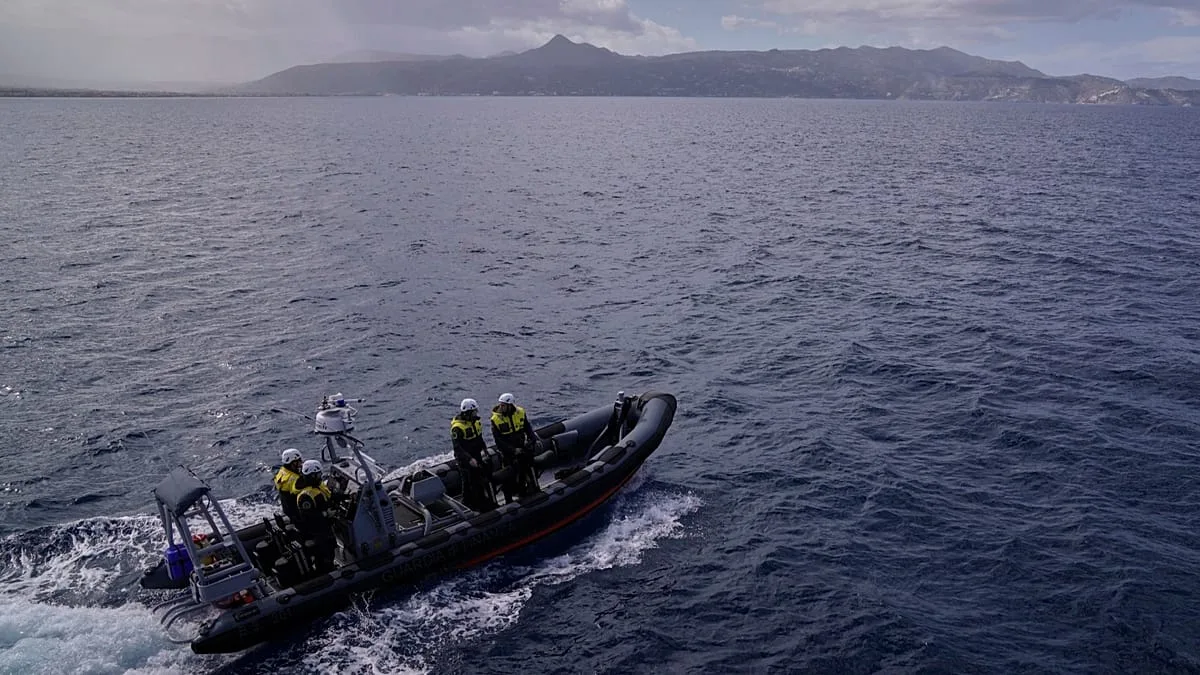
Strong wind does not only affect the beach. It directly affects ferry lines too, especially on the faster boats and on routes to smaller islands. Departures are sometimes delayed or canceled at the last minute, so if you are changing islands or have a connecting flight, leave yourself a buffer of time.
Before you head to the port, check the status of your line with the operator or at the harbor. Our recommendation is to do this both the evening before and on the morning of departure, because decisions about sailing are made depending on the current state of the sea. It is better to know in time than to stand with your suitcases in front of a closed ramp.
Do not forget the interior either. While the coast is windy and sunny, inland Greece may see sudden summer storms, brief heavy downpours, and thunder. If you are planning a trip to the hills, a monastery, or a gorge, bring a light rain jacket and follow the local forecast for that afternoon.
All in all, a weekend on the Aegean stays lovely for a holiday, it just asks for a little more attention than the calm days before it. Sun, swimming in the lee, and a quiet dinner on the terrace are all still there, you just need to plan smartly where and when.
And you - how do you cope when the meltemi catches you on the beach: do you hunt for a sheltered cove, or simply let the sea rock you?