Summer 2026 Holiday Prices Up Five to Ten Percent
Package deals cost five to ten percent more this summer, with the Middle East war pushing fuel and transport higher. Here is what a week at the sea really costs and where early booking still pays off.

- Summer 2026 package deals cost on average 5 to 10 percent more than last season.
- Early booking (first minute) still cuts the price by up to 30 percent.
- A three-bed apartment in Greece runs about 600 euros in season, 850 to 1,000 euros for four people.
- The Middle East war pushed fuel higher, so bus tickets cost about 10 to 15 euros more.
Has the sea become a luxury this summer? Not quite, but it is more expensive, on average 5 to 10 percent more than last season. That is the reality families face heading into the season, so before you start picking a destination, it is worth knowing where the increase comes from and where you can still save.
The main reason is not just the inflation we are used to. The war in the Middle East and the threat of a blockade of the Strait of Hormuz have pushed fuel prices up on the global market. That feeds straight into transport: petrol and diesel in Serbia are noticeably pricier than last year, and bus tickets to the coast have gone up by about 10 to 15 euros per person. Multiply that across a family of four and the difference shows up before you even reach the beach.
What does a week at the sea really cost?
Greece remains the top destination for Serbian tourists, and that is where the numbers are clearest. A three-bed apartment in season costs about 600 euros for a week, while accommodation for four runs from 850 to 1,000 euros. On top of that come transport, food and fuel if you drive your own car, a cost people often forget to count in.
Our first-hand tip: if you plan to drive, calculate fuel at today’s price, not last year’s. The gap can reach a hundred euros round trip, which is nearly the cost of an extra night in the apartment. When you build a step-by-step budget, always start with transport, then choose accommodation based on what is left.
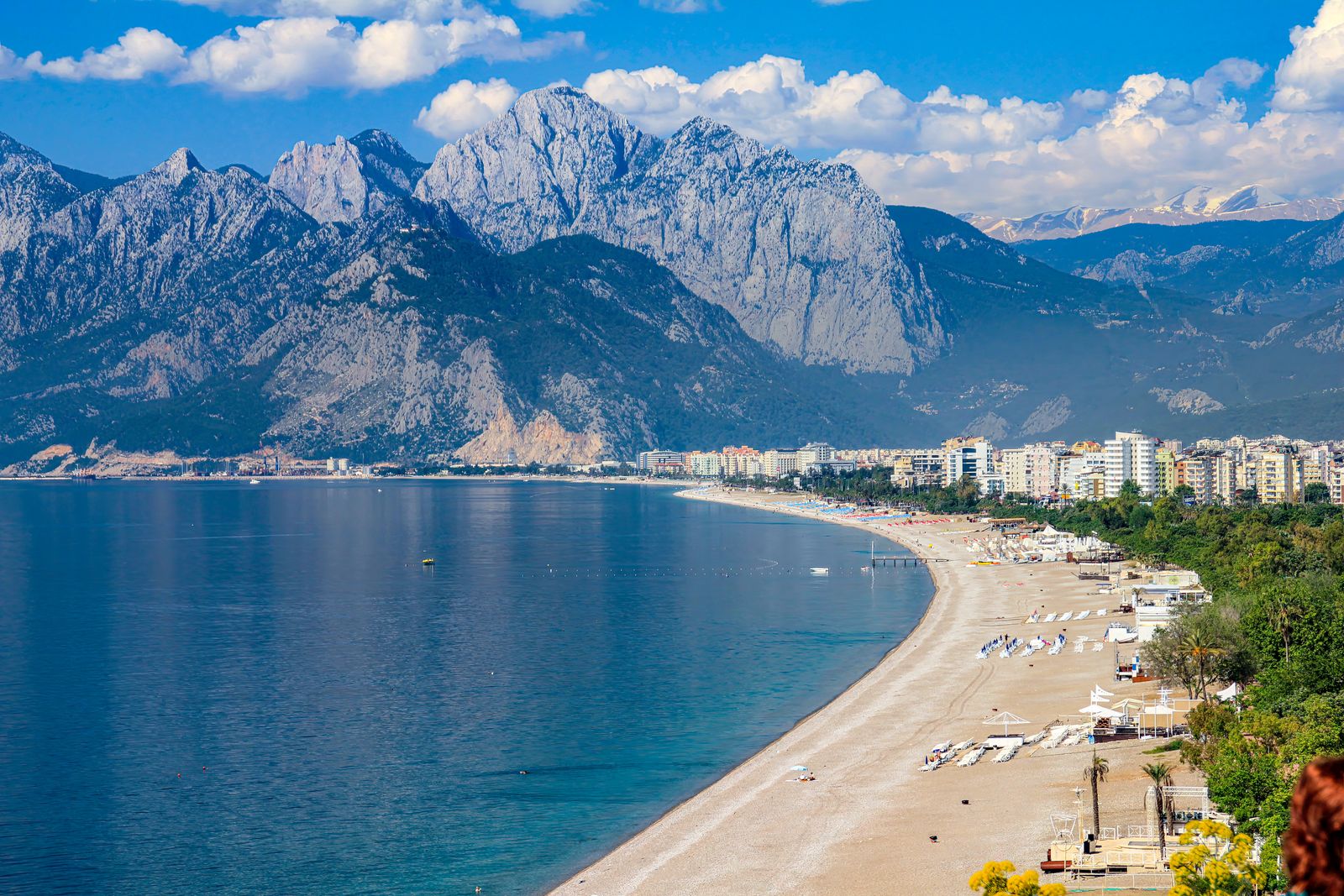
Turkey is emerging as a practical choice for families with children this season. Some hotels do not charge for children up to age 14, and the Belgrade-Antalya charter flies four times a week, which shortens the trip and avoids expensive fuel on long routes. For parents of two children, that can be the decisive saving.
How do you save despite the price hike?
The simplest step is still early booking. First minute offers still cut the price by up to 30 percent, which effectively cancels out this year’s increase if you decide in time. The practical advice is not to leave payment until the last minute, because last minute deals this year rarely bring the discounts we are used to seeing.
It also pays to compare the total cost, not just the accommodation price. A deal that looks pricier at first glance can turn out cheaper once you factor in a charter flight instead of your own fuel, or a hotel that does not charge for children. Before you go, make a simple table with three columns: accommodation, transport and food, then add it up. That is the easiest way to see where the money really goes.
Montenegro and Bulgaria stay in play for those who want a shorter trip and less fuel, but prices there have followed the regional trend too. The point is the same for every destination: the increase is real, but smart planning can soften it.
So, will you book in time this year and choose your destination by total cost, or will you wait and risk fuel and transport catching you off guard?