We Want Elections: six months of protest, one demand
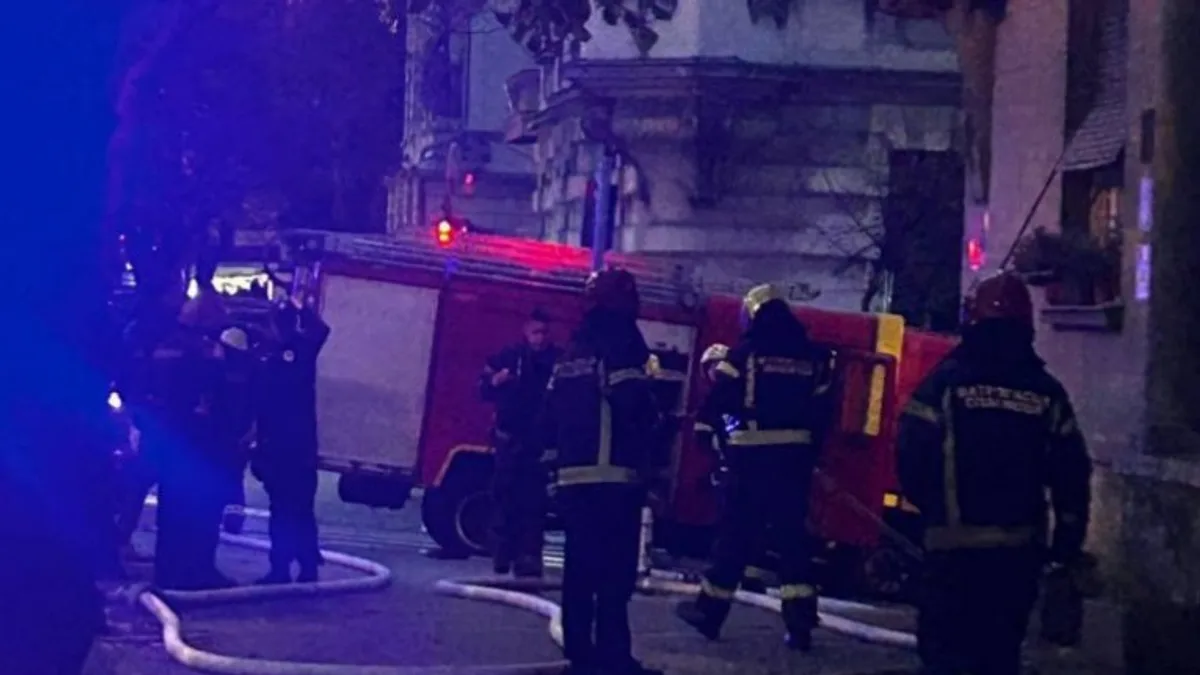
Blockading students marched on May 30 under the banner We Want Elections, with a single demand: the calling of early parliamentary elections.

- Blockading students held a protest on May 30 under the banner We Want Elections, starting at 4.30pm outside the former Main Railway Station in Belgrade.
- At 5.15pm there was a speech and 16 minutes of silence for those killed in the canopy collapse of November 1 last year.
- The march moved towards the Higher Public Prosecutor's Office, then along King Milan Street to the Government of Serbia, where a text demanding early elections was read out at 7.45pm.
- The gathering came a week after the May 23 rally at Slavija, which drew more than 100,000 people.
The other day, in the queue for bread, I heard two pensioners arguing over whether the young people on the street actually know what they want. One insisted they did not, that this was youth letting off steam. The other simply shrugged and said: well, they are asking for elections, what is unclear about that? I thought about that exchange on May 30, as the march set off from outside the former Main Railway Station at 4.30pm, because it is precisely the simplicity of the demand that most confuses those accustomed to negotiating fog.
At 5.15pm there was a speech, then sixteen minutes of silence for those killed in the canopy collapse last November 1. Sixteen minutes is a long stretch when you are standing in the street. Long enough to stop being a gesture and become a measure. After that the column moved towards the Higher Public Prosecutor’s Office, then along King Milan Street towards the Government of Serbia. At 7.45pm, in front of the building where decisions are made, a text with one demand was read out: the calling of early parliamentary elections.
Why one demand and not ten
This is where it is worth pausing. Six months on the street have not produced a twenty-point platform, a list of ministries to be removed, an economic programme. They have produced a single sentence. That is not poverty of ideas, it is strategy. An atomised society, one that the transition taught to mind its own business and to treat every collective action as lost in advance, gathers around abstractions with difficulty. It gathers around procedure more easily. Elections are a procedure everyone understands, and one that throws the ball back into the other half of the pitch.
The sociologist Todor Kuljic has written about how, in post-socialist societies, memory turns into a political resource, how the past begins to ache in a way that demands an answer in the present. With the canopy collapse, that memory acquired a date and a place. Those sixteen minutes of silence were not only homage; they were a reminder that behind the demand for elections sits something that cannot be outvoted, namely the feeling that someone must answer.
What comes after Slavija
A week earlier, on May 23, more than 100,000 people gathered at Slavija. That is a number Serbian public life does not forget easily, because it shifts the threshold of what is considered possible. The May 30 gathering was smaller in form and sharper in its demand, as though, after the mass turnout, what was wanted was precision. Classic movement dynamics: first you prove you exist, then you say exactly what you want.
The question that remains is not whether the street can assemble; that has been answered more than once. The question is whether one demand, repeated often enough and loudly enough, can turn into a date in the calendar. Because elections are, in the end, the only point at which the counting on the street and the counting in the electoral commission meet.
I come back to the two men in the bread queue. The one who shrugged was right in form: they are asking for elections, there is no mystery. But the first was not stupid; he simply asked the wrong question. It does not matter whether the young people on the street know what they want. What matters is that the people they addressed know it.
Will one demand, repeated for six months, become a date, or will it remain a sentence the street keeps saying until others finally hear it?