Horse tramples photographer at a village feast near Zrenjanin
A photographer from Melenci was knocked down and trampled by a horse while shooting guests at the Pentecost feast, leaving him with several broken ribs.
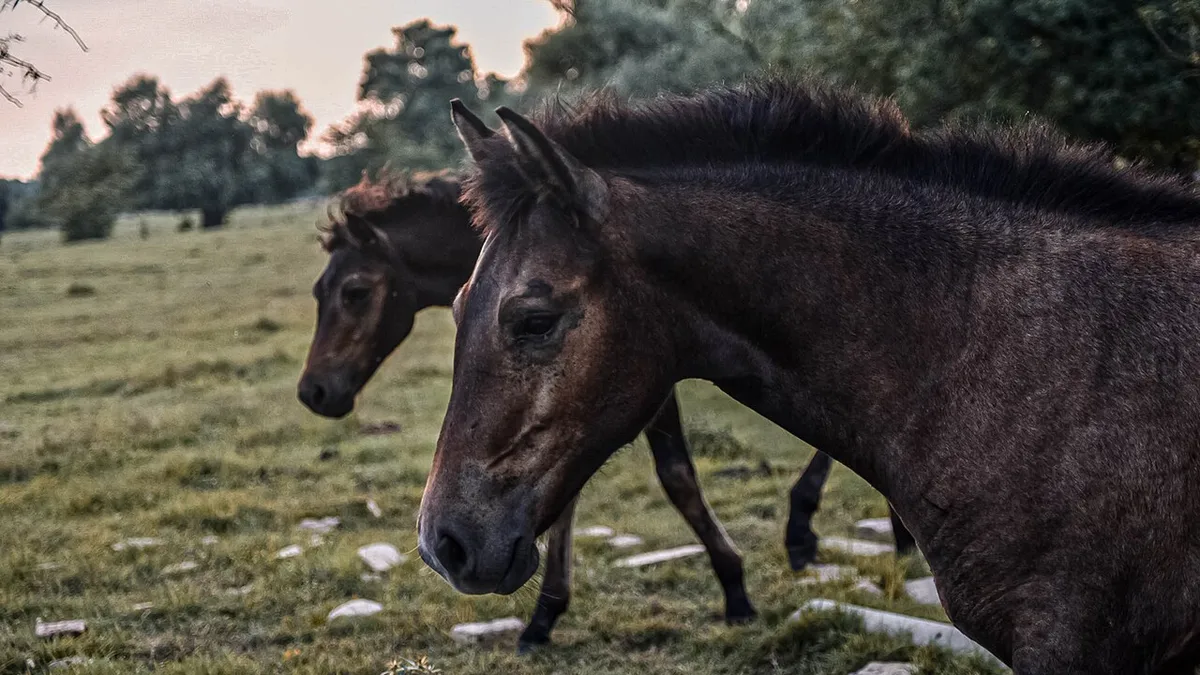
- Photographer Dragisa Nadlacki from Melenci near Zrenjanin was trampled by a horse while shooting guests at the Pentecost feast.
- The animal suddenly reared up, turned toward him and began to trample, leaving him with several broken ribs.
- He spent five days on a vacuum pump and, when he told the story, was on the tenth day of recovery.
- His cameras were damaged in the fall, and a roll of 36 frames was cut off mid shot.
There is an unwritten order to a village feast in Banat that everyone somehow knows by heart. First come the hosts, then the guests, then the music, and then the photographer who darts around catching the moments that someone, twenty years on, will point at and say, look how young we were. Dragisa Nadlacki from Melenci, a village near Zrenjanin, was standing in exactly that spot, camera pressed to his eye, when the Pentecost feast decided to write its own script instead of his.
By his own account, the horse reared up sharply, turned toward him and started to trample. Whether it caught him by accident or had been spooked by something, he does not know. He only knows what followed: the fall, the fracture, the hospital. Several broken ribs, chest injuries, an emergency admission. Five days on a vacuum pump, a device that sounds like something from a workshop but in fact keeps the lungs working while the body knits itself back together. By the time he recounts all of this, he was on the tenth day of recovery and, strangest of all, laughing.
Why this story warms rather than frightens
It could have ended far worse, and everyone knows it. Yet when Dragisa speaks, you do not hear fear, you hear a man who has already filed himself away as an anecdote. Smashed cameras, a roll of thirty six frames cut off halfway, he lists it all the way you would tally hail damage, not the aftermath of a blow that might have carried him off. That knack for turning misfortune into a story is something you see less and less of in the city.
In Melenci, as in most Banat villages, a feast is more than a date on the church calendar. It is the day the house is thrown open, the day even the relatives who have not called in years show up, the day the table is stretched until one more chair will fit. The photographer is part of the ritual. He is not a guest who eats and drinks, he is the one left holding the job of turning all that bustle into a picture. Which is exactly why the irony here is almost perfect: the man who came to record other people’s memories nearly became the crime page himself.
What Dragisa’s joke tells us about ourselves
There is an old sociological insight, going back to Peter Berger and his book on laughter as a redemptive form of resistance, that humor is not an escape from reality but a way of holding on to control over it. When Dragisa says he does not know whether the horse caught him by accident or out of fright, he is doing the work a therapist would otherwise do: framing chaos into a sentence with a beginning and an end. This is the Banat temperament in miniature, that stubborn cheerfulness that has shrugged off floods, droughts, wars and a long transition.
All of a sudden it reared up on its hind legs, turned toward me and started to trample me.
There is something honest in that sentence. No melodrama, no blaming the animal, no hunt for a culprit. Just a description. At a time when every trifle is inflated into a drama, when even mild disagreement is packaged as the clash of the century, this man with broken ribs offers a free lesson in proportion. Something happened, it hurts, it will heal, end of story.
And that, perhaps, is the real value of this small dispatch from Melenci. We will not remember it for the horse, but for the tone in which it was told. Once his ribs mend, Dragisa will probably stand at another feast with a camera to his eye, a touch more cautious, but unchanged in who he is. Which leaves the rest of us with a question that is not rural at all: the next time life knocks us flat on our backs, would we know how to get up and laugh, or would we only look for someone to sue?