

NHS rolls out one-minute pembrolizumab injection for 14 cancer types, cutting therapy time by 90 percent
The British National Health Service began using a sub-one-minute pembrolizumab injection in May 2026 in place of a 30-minute intravenous infusion, with the therapy now available to tens of thousands of patients across 14 tumour types.
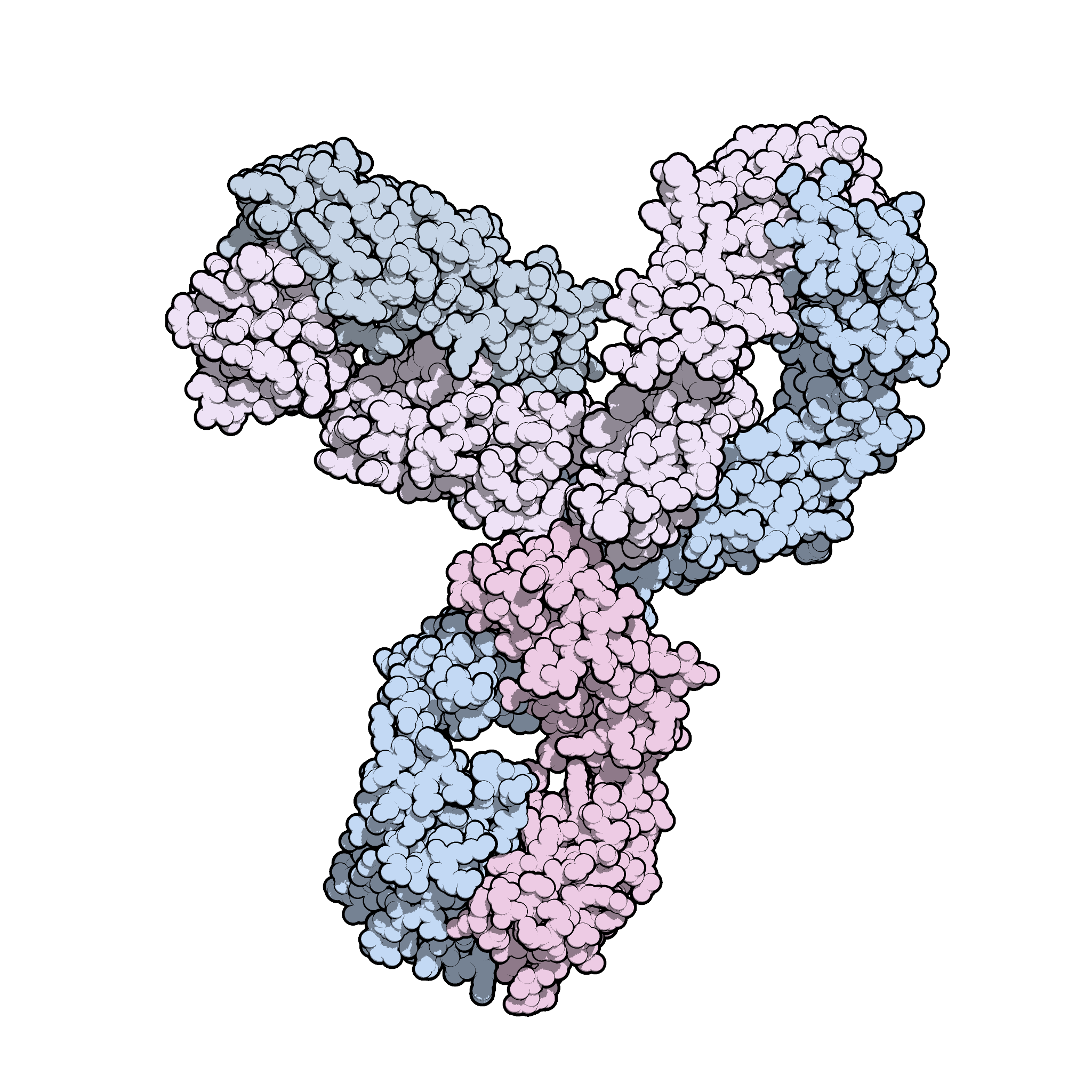
The British National Health Service (NHS) began in May 2026 to roll out a new subcutaneous injection of pembrolizumab, the monoclonal antibody known commercially for years as Keytruda and used to treat 14 different tumour types.
The new formulation is administered in under one minute, replacing a 30-minute intravenous infusion. It will be available to tens of thousands of patients in England. The NHS estimates the switch to subcutaneous delivery will cut total time spent in hospital per patient by about 90 percent. That frees up oncology unit capacity for other cases and reduces the burden on medical staff.
What pembrolizumab does
Pembrolizumab has been a first-line therapy for several years across:
- lung cancer
- melanoma
- breast cancer
- head and neck cancers
- colorectal cancer
- liver and cervical cancer
- rarer tumours with specific mutations
It works by blocking the PD-1 receptor on T-lymphocytes. That allows the immune system to recognise and attack tumour cells that have evaded immune surveillance.
The previous mode of administration was an intravenous infusion lasting about 30 minutes and requiring a trained nurse. The new subcutaneous formulation can be administered in general practice with minimal training.
What has changed
The new formulation was developed at Merck Sharp & Dohme laboratories. The main goal was to deliver the active ingredient in a concentrated form for injection into the subcutaneous fat of the upper abdomen.
Absorption takes slightly longer than with intravenous delivery. Pharmacokinetic studies published in Lancet Oncology in February 2026 showed that the subcutaneous injection achieves the same serum drug concentrations and comparable clinical outcomes in more than 1,700 patients in a phase three trial. Tolerability is also similar, with somewhat more local reactions at the injection site, but no significant difference in systemic adverse effects.
The NHS estimates the new route can save up to £150 million per year. Part of that comes from freeing day-hospital capacity, part from the fact that the drug itself is not more expensive in subcutaneous form than intravenous. The saving applies to total cost of administration, including staff, space and consumables, not to the drug price, which remains subject to negotiation with the manufacturer.
What does NOT change
The shift to subcutaneous administration does not change the mechanism of action or the range of tumours for which the drug is effective. Pembrolizumab is not a universal cancer cure. In a significant share of patients, particularly those whose tumours do not show high PD-L1 expression, the effect is limited.
In metastatic lung cancer, for example, less than one third of patients survive five years from the start of therapy. Immunotherapy has shifted what is possible, but it has not removed the basic biological barriers tumours raise against the immune system.
A second important limitation is that pembrolizumab can trigger autoimmune reactions, with the immune system attacking healthy organs such as the thyroid, lungs or liver. These reactions occur regardless of how the drug is delivered. Less time with medical staff can mean that early signs of complications go unnoticed. The NHS protocol therefore mandates additional follow-up visits in the first months of subcutaneous treatment.
Relevance for Serbian oncology
The NHS example is interesting because it shows how organisational change can deliver savings in a healthcare system even when the drug itself remains the same. In Serbia, pembrolizumab has been on the list of medicines covered by the Republic Health Insurance Fund since 2022, with limited availability for lung cancer and melanoma.
Could the kind of organisational change the NHS introduced work in the Serbian healthcare system?
Share your view: would you choose a subcutaneous injection over the classical infusion if given the choice? Tell us in the comments.


