University of New Mexico prepares clinical trial of tau-protein vaccine for Alzheimer's
A team led by Kiran Bhaskar at the University of New Mexico has secured funding for a phase one clinical trial of an experimental vaccine targeting the pathological phosphorylated tau protein, a key Alzheimer's biomarker, with first patients expected in 2027.
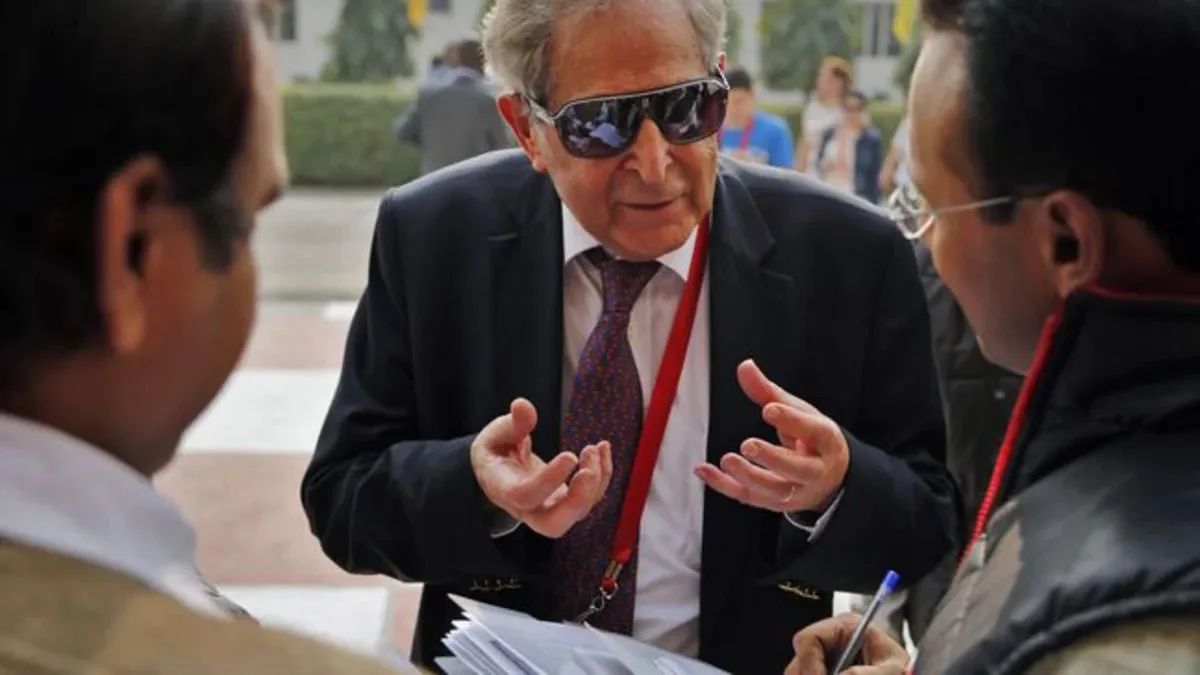
A team at the University of New Mexico, led by Kiran Bhaskar, a neurology professor, secured $11 million in funding from the US National Institutes of Health in May 2026. The grant supports the launch of a phase one clinical trial of an experimental vaccine targeting tau protein, a key Alzheimer’s biomarker.
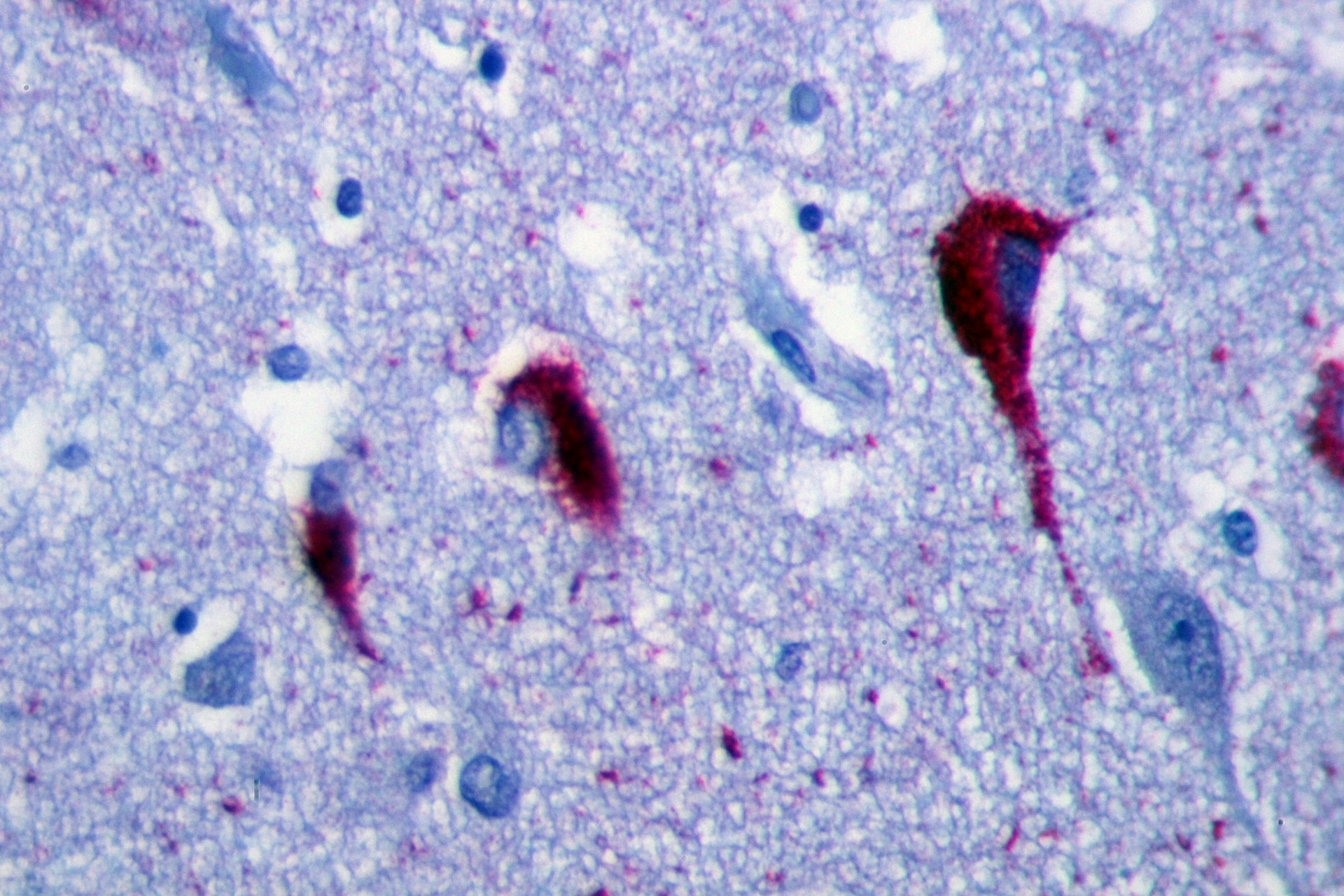
The vaccine, designated AV-1959R, is designed to train the immune system to recognise and clear the pathological, phosphorylated form of tau protein. In the brains of patients this form aggregates into characteristic tangles and drives neuronal degeneration. The clinical protocol calls for 50 patients with mild cognitive impairment, with enrolment starting in early 2027.
Why the tau approach is new
Alzheimer’s is the most common form of dementia. World Health Organization estimates put the number of people living with the disease at about 55 million worldwide, projected to rise to roughly 140 million by 2050.
The two main pathological hallmarks are:
- accumulation of amyloid-beta plaques in the extracellular space
- intracellular neurofibrillary tau tangles inside neurons
Existing therapies, including the monoclonal antibodies lecanemab and donanemab approved in the United States in 2023 and 2024, target only amyloid-beta. The tau approach is more technically challenging because the protein sits inside neurons, not in the extracellular space, making it harder for the immune system to reach.
How the vaccine works
AV-1959R uses virus-like particle technology, abbreviated VLP. A peptide fragment of the phosphorylated tau protein, labelled pT181, is anchored to a carrier that resembles a viral envelope. The immune system recognises the VLP carrier as foreign and mounts an immune response that includes the pT181 peptide. This produces antibodies against pathological tau.
In preclinical studies on mice and monkeys, published in the journal Vaccine in February 2026, the vaccine produced a robust and long-lasting immune response. The antibodies bound human tau variants in tissue samples from patients with mild cognitive impairment.
The clinical protocol, run by Janice Knoefel at UNM’s Center for Memory and Aging, will randomise patients into three arms:
- placebo group
- low dose of 50 micrograms
- high dose of 150 micrograms
The trial will run for 18 months. The primary endpoints are immune response and safety. Secondary endpoints are cognitive testing and tau levels in cerebrospinal fluid. Only the phase one results can justify launching larger phase two and three trials, which typically take another three to four years.
What the vaccine does NOT promise
Although the research is often reported as potential Alzheimer’s prevention, Bhaskar stresses something different:
AV-1959R is not designed as a classical vaccine for the general healthy population. The goal is a therapeutic vaccine for patients already diagnosed with mild cognitive impairment, where pathological tau accumulation has already begun but dementia has not yet developed.
Whether the vaccine can slow or reverse cognitive decline remains a question for the subsequent trial phases.
A second important limit is that the preclinical work used animal models that mimic only some aspects of the human disease. The mice used in Alzheimer’s research carry artificial human gene mutations and do not develop the classic dementia seen in patients.
Monoclonal antibodies against amyloid-beta, despite clinical-trial success, showed only modest slowing of cognitive decline in real-world patients. That leaves open whether a tau vaccine will produce a strong enough effect.
Relevance for Serbian neurology
The vaccine is interesting because, if effective, it could be substantially cheaper than monoclonal antibodies. Those antibodies require repeated infusions and cost roughly $25,000 per patient per month. In Serbia more than 100,000 people currently live with dementia, and the public health system does not cover the new anti-amyloid drugs.
Should we count on a tau vaccine as a realistic option in the next decade?
Share your view: should more resources go into Alzheimer’s research or into lifestyle prevention? Leave a comment.