

Mammals may have a dormant power to regenerate, mice show
A Texas A&M University team regrew bone, joint, tendon and cartilage in mice using two growth factors, suggesting the ability to rebuild tissue is not lost but switched off.
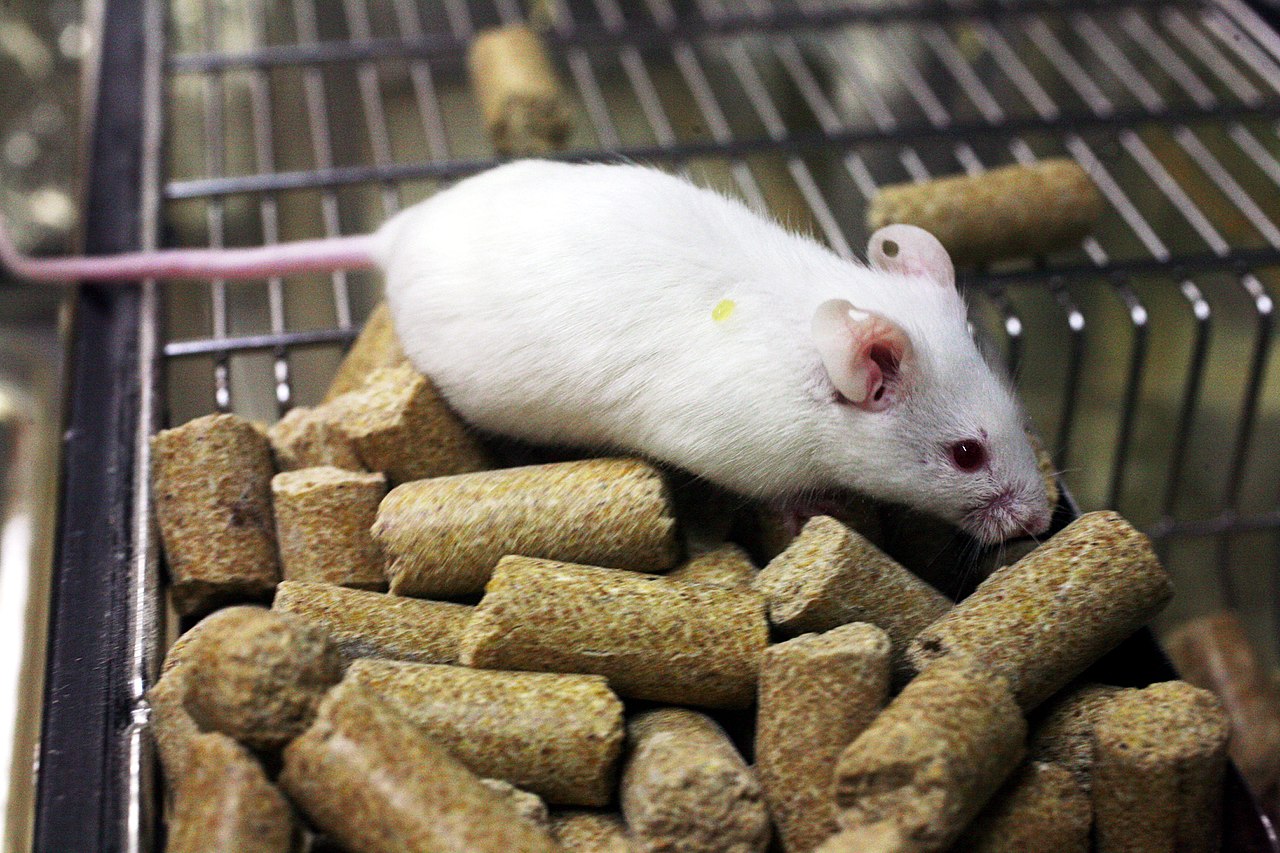
- A Texas A&M University team regrew bone, joint, tendon, ligament and articular cartilage in mice using a fingertip model.
- The result came from applying two growth factors in sequence, FGF2 first, then BMP2.
- FGF2 triggered a blastema-like mass of cells, a structure not previously seen in adult mammals at this type of wound.
- The study was published on April 17, 2026 in the journal Nature Communications, with wider media coverage following in mid-June.
Researchers at Texas A&M University report that the ability of mammals to rebuild complex body parts may not be permanently lost, but simply switched off. In a paper published on April 17, 2026 in the journal Nature Communications, which drew wider media attention in mid-June, a team from the university’s College of Veterinary Medicine describes how it reactivated the regeneration process in mice and regrew tissue that normally does not come back in adult mammals.
Amphibians such as salamanders, and creatures like starfish, have fascinated biologists for decades because they can regrow lost limbs. Mammals, humans included, largely cannot. Instead of new tissue, our wounds heal with a scar. The question of why that is the case drove this study.
“Why some animals can regenerate and others, especially humans, cannot, is a big question,” the study’s authors say. Their answer is that the ability may not be absent, only obscured by other biological processes that take over the moment an injury occurs.
How did the scientists switch regeneration back on?
The team used two signaling molecules, known as growth factors. The first was FGF2, applied to steer cells away from forming a scar. Under its influence, the mice formed a mass of cells resembling a blastema, the structure that appears at the injury site in amphibians and from which new tissue grows. Such a structure had not been seen before in adult mammals at this type of wound.
Only then, in a second step, came BMP2, the factor that drives the building of the tissue itself. In that order, and using a fingertip model, the mice regrew bone, joint, tendon, ligament and articular cartilage. These are several distinct tissue types at once, which is part of what makes the result unusual.
The authors stress that no new cells had to be added. “You don’t really have to take stem cells and put them back, they are already there,” they say. By their account, the treatment simply gave existing cells a signal to take a different path.
What does this actually prove, and what does it not?
Precision matters here. The results were obtained in mice, on a specific fingertip model, and do not mean human regeneration is within reach. The road from a demonstrated mechanism in rodents to a safe and reliable therapy in people is long and uncertain, and many promising animal studies never translate into treatments.
What the paper does show is that certain adult mammalian cells, given the right sequence of signals, can move toward rebuilding complex tissue rather than forming a scar. That is a proof of principle, not a cure. Gauging its reach will require replication, tests in larger animals and, only at the end, if it proves safe, clinical research.
If what the mice showed holds up in other mammals, how much could such an approach change the way we treat joint and bone injuries in people?


