Petkovic: pressure on Serbs in Kosovo rising ahead of elections
The director of the Office for Kosovo and Metohija told the Brussels envoy that Pristina's measures against Serb institutions intensify in electoral cycles.

The Director of the Office for Kosovo and Metohija Petar Petkovic said in Brussels after a meeting with European Union Special Representative Peter Sorensen on 12 May that the Serbs of Kosovo and Metohija are exposed to “almost daily political and institutional pressure” from the Pristina authorities, the Pravda Balkan portal reports. Petkovic said Kosovo’s caretaker prime minister Albin Kurti reaches for “unilateral and escalatory measures” against the Serb population before every electoral cycle.
Belgrade’s chief negotiator told his EU counterpart that the policy of President Aleksandar Vucic is aimed at preserving peace and stability in the Western Balkans region and protecting the rights of the Serb people in Kosovo and Metohija, according to the same portal. The specific measures Petkovic cited as forms of pressure include the closure of Serb institutions in the north, restrictions on the work of healthcare facilities and intensified police operations in municipalities with a Serb majority.
From the Pristina side, chief negotiator Besnik Bislimi, after the same round of talks, said Petkovic had “thirty minutes after the agreement” made “inaccurate claims” and broken the agreement with Sorensen on jointly framing the messaging out of Brussels, according to the KoSSev portal. Bislimi added that Sorensen during the talks set out three concrete agenda items: a work plan, the normalisation of relations and implementation of agreements already reached.
Are the stated pressures documented and conveyed to the Brussels side?
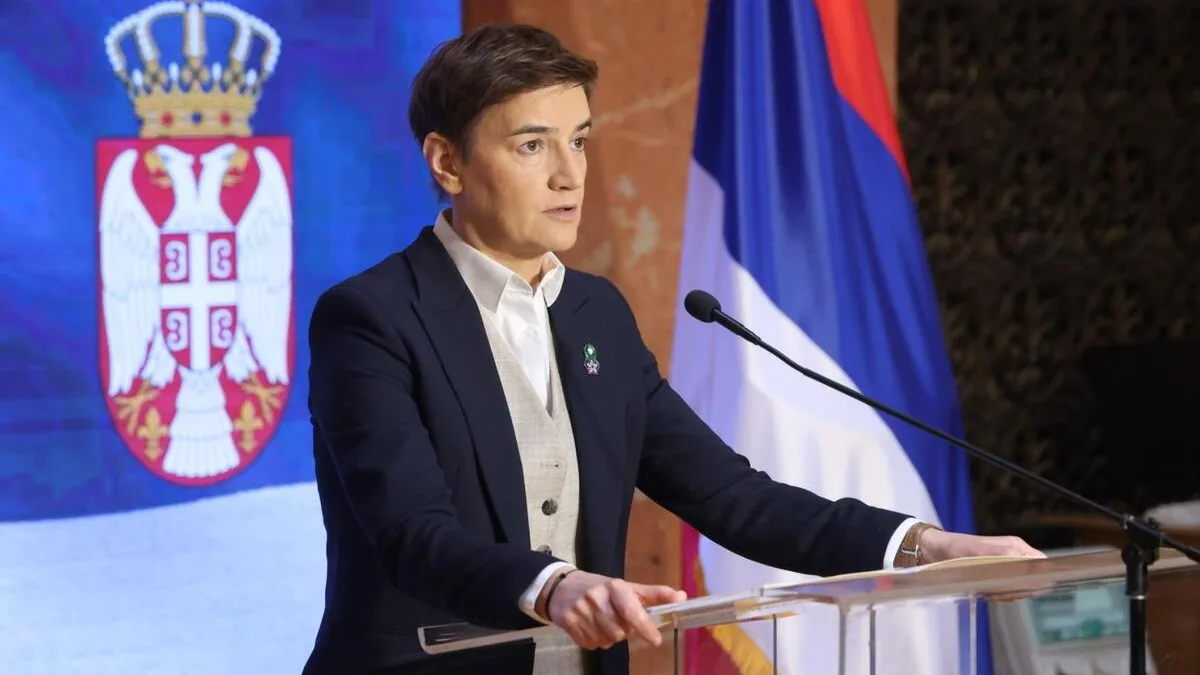
Speaker of the National Assembly of Serbia Ana Brnabic told the daily Danas after her own May visit to Brussels that she had handed Sorensen documentation on “concrete cases of attacks on the Serb community” and said “a multi-ethnic Kosovo and support for Kurti do not go together”. The office of EU High Representative for Foreign Affairs and Security Policy Kaja Kallas, spokeswoman Anouk Lokers (Anouar Lahouari) said, has received all submitted documents and forwarded them to the Commission monitoring the Brussels Agreement.
From the Pristina side, a representative of Kurti’s office said all institutional measures are in line with Kosovo’s constitutional order and entail the application of the law across the entire territory. In his latest public appearance, the weekly Vreme reports, Kurti said claims of “ethnic measures” are politically motivated rhetoric from Belgrade with “no anchor in facts on the ground”.
From the Serbian opposition, Vladeta Jankovic of the People’s Party said the state delegation in Brussels should be doing more than describing the difficult situation; it should be formulating concrete proposals to protect the interests of the Serb community, particularly in the context of forming the Community of Serb Municipalities. Goran Bogdanovic of the Democratic Party echoed the same caution, adding that institutional support for the Serb community should be a matter of standing consultations between the opposition and the government.
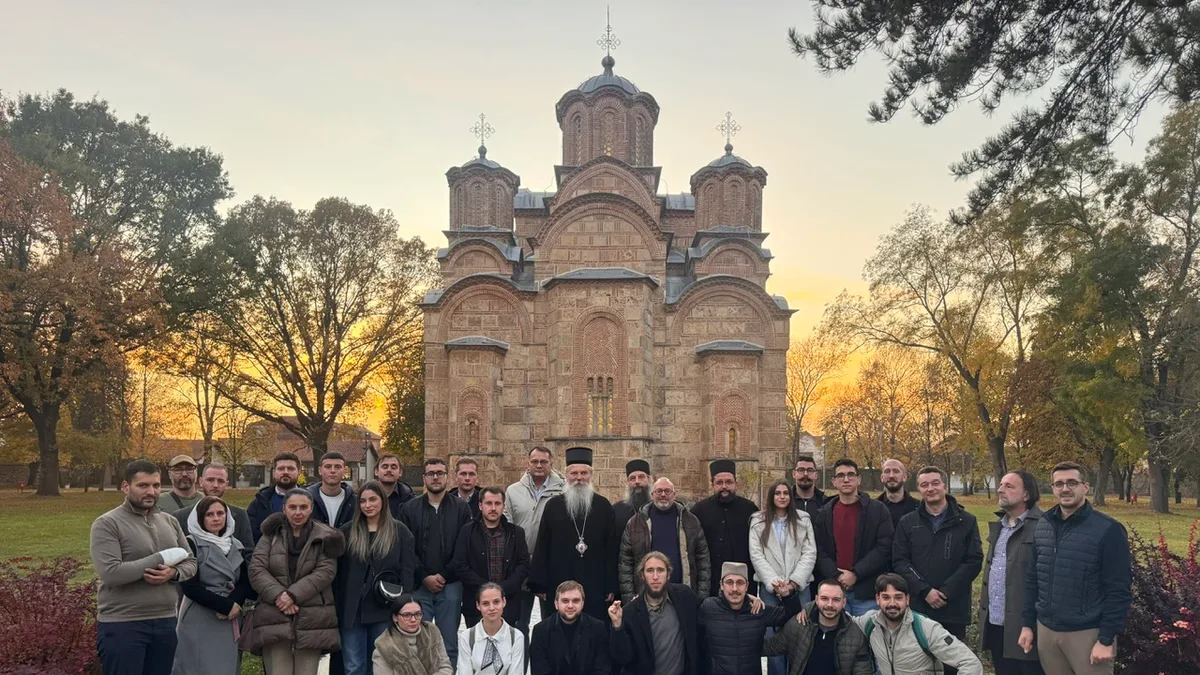
On the ground, Goran Rakic, president of the Joint Council of Northern Kosovo Municipalities, said the number of Serb institutions that have stopped functioning after closures by Pristina in the last two years is over 20, including health points in the municipalities of Zubin Potok and Leposavic. The Serbian Orthodox Church’s Eparchy of Raska-Prizren said monasteries and churches in Kosovo and Metohija are facing difficulties accessing finance from Belgrade because of Kosovo’s revised banking rules on dinar transactions. KFOR, the NATO-led mission that has held the security mandate in Kosovo since 1999, expressed concern over tensions in the north in May after an incident involving Kosovo police in Kosovska Mitrovica.
From what we understand, the next meeting between Petkovic and Sorensen is set for 28 May in Belgrade, with talks with the rotating EU Council presidency also expected. The concrete measures that will be proposed in the next cycle, and any possible leadership-level component to the dialogue ahead of the Tivat summit on 5 June, remain questions awaiting operational answers in the coming days.