Podgorica Yields to Zagreb but Strikes at Serbia
As Montenegro accommodates Croatia's demands over Prevlaka, the Jadran ship and the Morinj camp, insults toward Serbia and the Serbian Orthodox Church come from its own diplomatic leadership.

- Zagreb is pressing Podgorica on three open issues: the border at Prevlaka, the return of the training ship Jadran and compensation for former inmates of the Morinj camp.
- Montenegro could reportedly pay several million euros in compensation for the Morinj camp near Kotor, which operated in 1991.
- Ranko Krivokapic, an adviser to Montenegro's foreign policy chief, called the Serbian Orthodox Church a "Chetnik church" and Serbia "the sick man on the Danube".
- The Jadran has been in Montenegro since 1991, and the Prevlaka dispute dates back to the breakup of Yugoslavia.
Montenegro is currently running two very different foreign policy tracks at the same time. Toward Zagreb, Podgorica is edging toward accommodation: three long standing issues are on the table, and the Montenegrin side is signaling a willingness to discuss each of them. Toward Belgrade and the Serbian Orthodox Church, the tone is the opposite, with open insults coming from the top of its diplomacy.
Zagreb wants Podgorica to settle the border dispute at Prevlaka, to return the training ship Jadran and to pay material compensation to former inmates of the Morinj camp. This is a legacy that reaches back to the very start of the 1990s and that has sat frozen for decades. Now, by all appearances, a package is opening in which the Montenegrin side agrees to talk about demands it had previously rejected as unacceptable.
Why is Podgorica giving ground now?
The answer lies in the geography of interests. Montenegro is a NATO member and a candidate for European Union membership, while Croatia is a member state with a voice in that process and the ability to attach conditions. Podgorica reads the resolution of bilateral issues with Zagreb as a ticket to a faster path toward Brussels, so it is prepared to make concessions it would struggle to justify to its own public in another context.
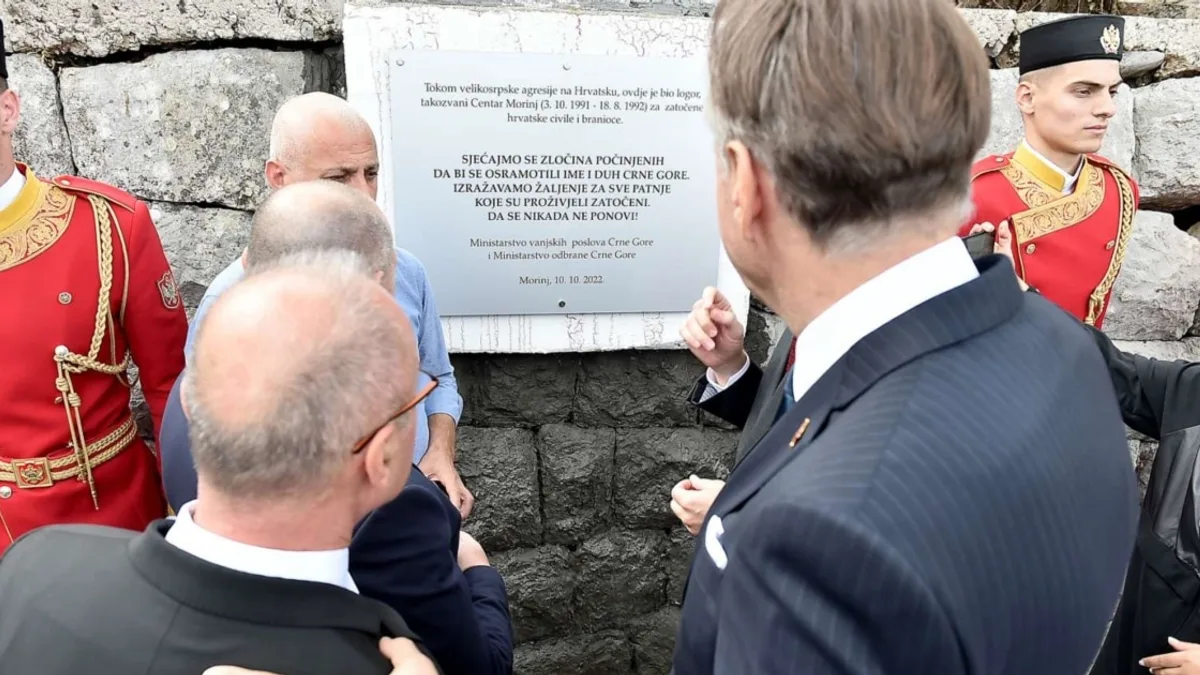
The most sensitive question is compensation for Morinj. The camp near Kotor operated in 1991, and Montenegrin courts have already prosecuted some of those responsible. It is now being speculated that the state could pay several million euros to former inmates, closing one of the most painful chapters of the war of the 1990s.
The matter of the Jadran is not merely technical either. The training sailing ship was undergoing repairs in Montenegro in 1991 and has not been returned to Croatia since, which regards it as its property. The border at Prevlaka, meanwhile, has been contested since the breakup of Yugoslavia, and part of the waters was declared a so called no man’s sea under a provisional protocol from 2002 that was meant to apply until a permanent solution was reached.
Insults aimed at Belgrade and the church
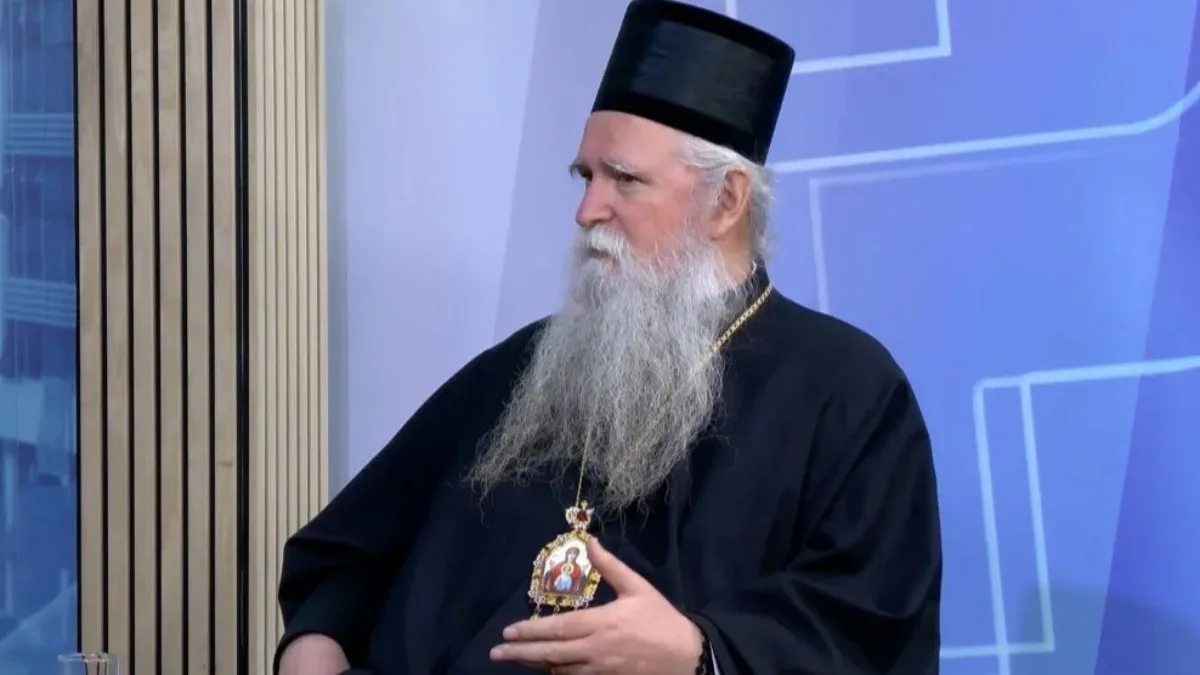
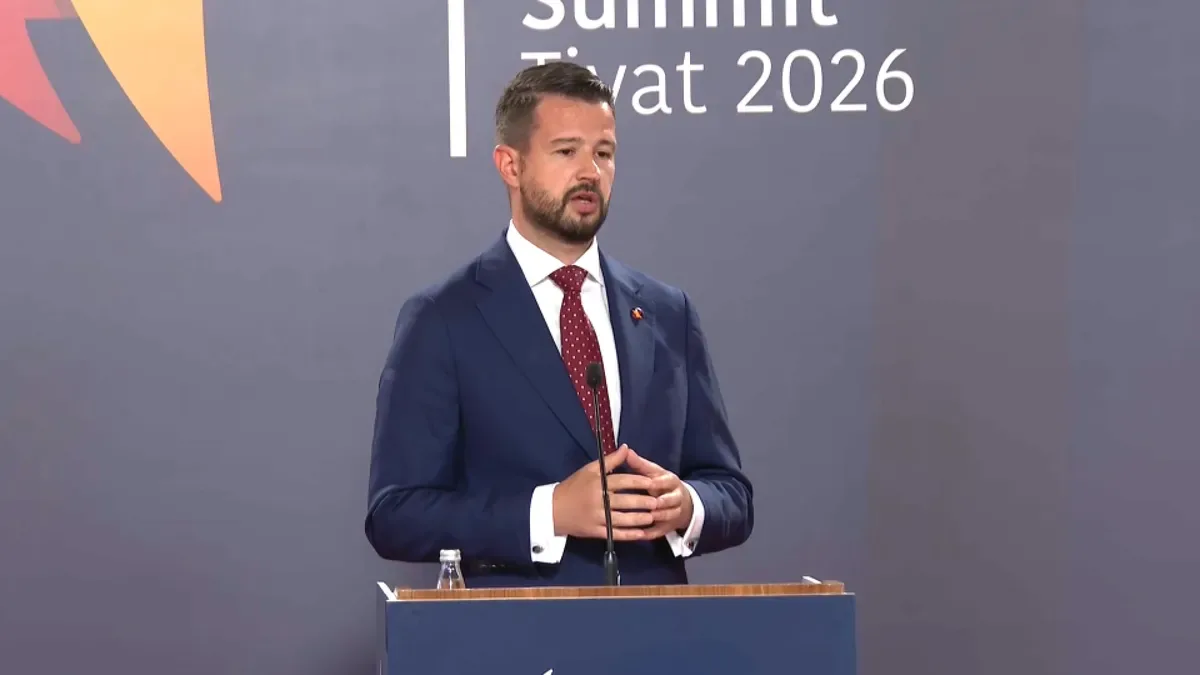
While the policy toward Zagreb is one of accommodation, the policy toward Belgrade is one of sharp language. Ranko Krivokapic, an adviser to Montenegro’s foreign policy chief Ervin Ibrahimovic, publicly called the Serbian Orthodox Church a “Chetnik church” and Serbia “the sick man on the Danube”. These are formulations that belong to the vocabulary of confrontation, not diplomacy.
The contrast is what makes this a political story rather than a merely protocol one. Toward a neighbor that is making concrete material and territorial demands, Podgorica chooses dialogue and a readiness to concede. Toward a neighbor with which it shared a church, a language and family ties for centuries, it chooses insult. Krivokapic’s words are not an isolated outburst; they fit a pattern in which the treatment of Serbian heritage in Montenegro is used as domestic political fuel.
For now there is no official sharp reaction of the same register from Belgrade or from the Serbian Orthodox Church, which is to be expected, since escalation would be exactly what some actors in Podgorica are counting on. The question is how long such asymmetry can last without consequences for already fragile relations between the two states.
Montenegrin foreign policy is thus sending two messages at once: a readiness to compromise toward Zagreb, a readiness for conflict toward Belgrade. Whether this is a calculated strategy toward Brussels or a domestic reckoning waged at a neighbor’s expense will be shown by Podgorica’s next moves. And you, how do you read this difference in tone toward two neighboring states?