Cash for all adults before the vote, economists warn
Aleksandar Vucic and Sinisa Mali pledge a one-off payment to every adult citizen ahead of likely autumn elections, insisting the money will not come from the budget. Economists warn of fresh borrowing.

- President Aleksandar Vucic announced on July 10 a one-off payment to every adult citizen, not only pensioners, ahead of possible autumn elections.
- Finance Minister Sinisa Mali says the funds would not come from the budget but from other sources, and calls the package proof of Serbia's economic strength.
- Economists warn that no such financing model really exists and that citizens would pay for the handout through new state borrowing.
- The budget deficit in the first five months reached about 100 billion dinars, which critics say is 38% higher than a year earlier.
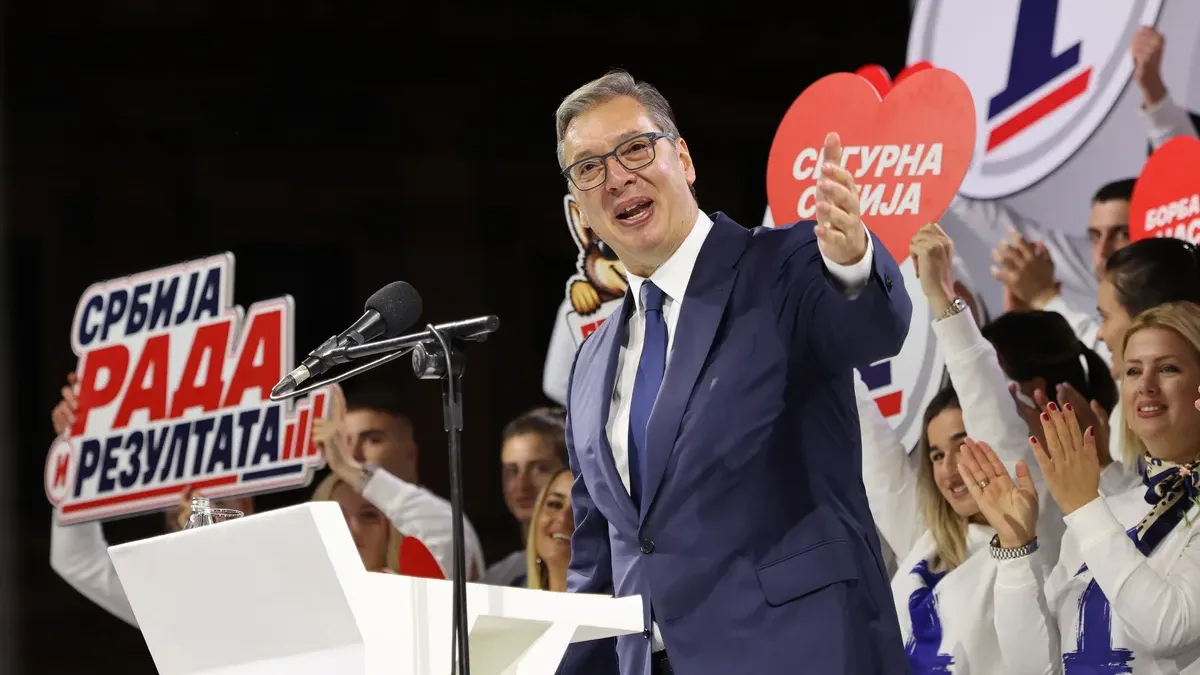
Serbian President Aleksandar Vucic announced on July 10, in a radio address, that ahead of possible autumn elections financial help would go to every adult citizen, not only pensioners. He said the details would follow in the coming days, while the first reactions from economists and the opposition arrived almost at once.
Finance Minister Sinisa Mali confirmed that the government is weighing a model under which the money would not be drawn from the budget but from other sources. He described the package as a reflection of the country’s economic strength, arguing that the state has room to return to citizens part of what, in his words, they created themselves.
Where would the money come from, if not the budget?
That very claim has become the heart of the dispute. Economist Aleksandar Stevanovic said that a financing model which does not burden the budget effectively does not exist, and that this amounts to costly pre-election courtship with no clear economic justification. In his view, every dinar the state hands out has to come from somewhere, and if it does not come from current revenue, it comes from debt.
Economist Radosavljevic of FEFA took a similar line, recalling that a one-off payment is not free money. Citizens will pay for it, he argues, through new state borrowing, only with a delayed due date. Economist Aleksandar Nikezic went a step further, judging that the payment would be financed precisely by fresh loans, while some critics see in the whole idea an open bid to buy the electorate.
The opponents’ argument also leans on numbers. According to the figures they cite, the budget deficit in the first five months of this year reached about 100 billion dinars, which critics say is nearly 38% higher than in the same period last year. In such a frame, they warn, a new mass payout can hardly go ahead without additional borrowing.
Pre-election timing and a question of trust
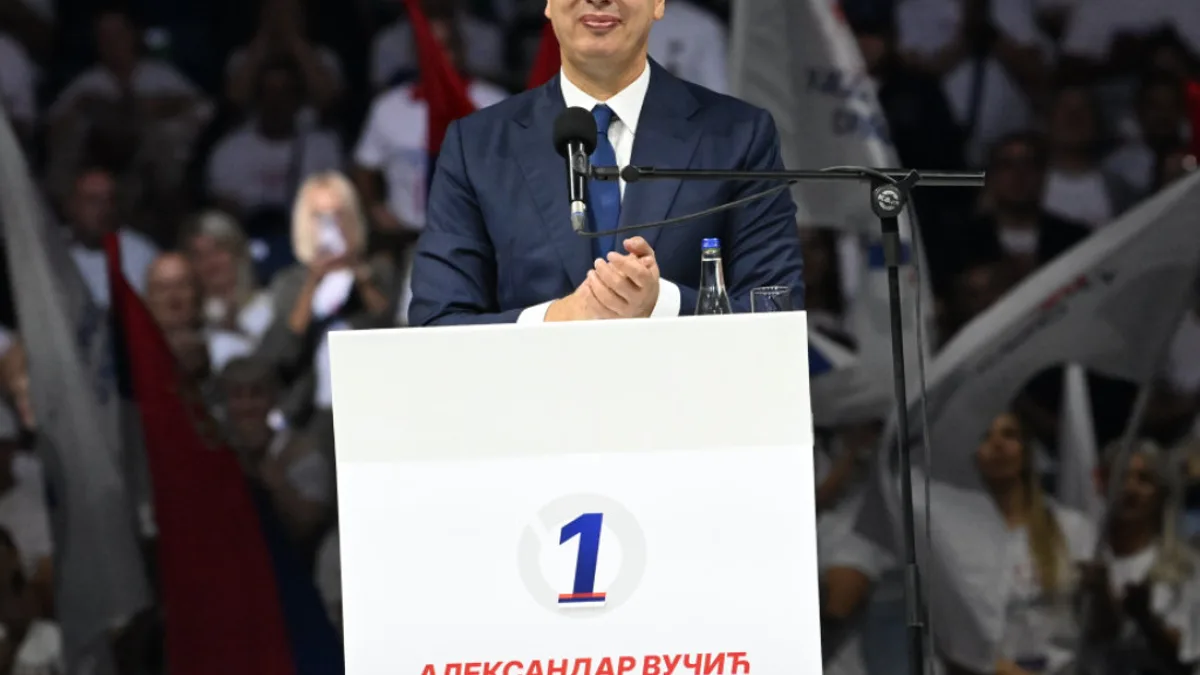
No one is hiding the timing of the announcement. Vucic tied the aid to possible autumn elections, placing the measure squarely within the electoral cycle himself. The government frames the message as evidence that Serbia stands stronger than before and that results are reaching every citizen. The opposition, for its part, sees in the same announcement an attempt to buy voters’ favour with money from the public purse, or from new debt, before the ballot.
For now, the concrete amounts and conditions of the payout have not been set, so it is unclear how much the package will really cost and who will ultimately finance it. For citizens the question is simple, if uncomfortable: is a one-off deposit into an account worth more than the bill that, through public debt, arrives later.
Would you experience a one-off payment before the vote as deserved help, or as a pre-paid election ballot?