Djuric in Rome: Pristina dialogue is main challenge
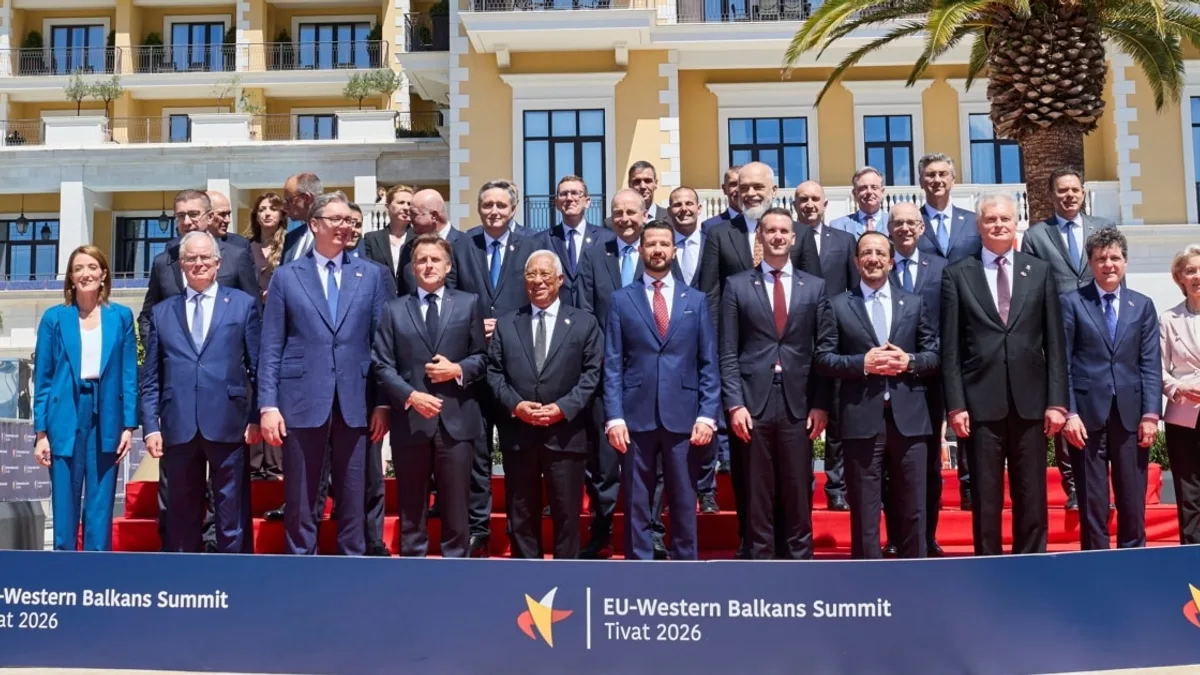
At the Friends of the Western Balkans ministerial in Villa Madama, the Rome Charter on credible EU enlargement was adopted, while Antonio Tajani set the goal of the entire region joining the bloc by 2030.

- On July 10, the Friends of the Western Balkans group held a ministerial meeting at Villa Madama in Rome and adopted the Rome Charter on credible EU enlargement.
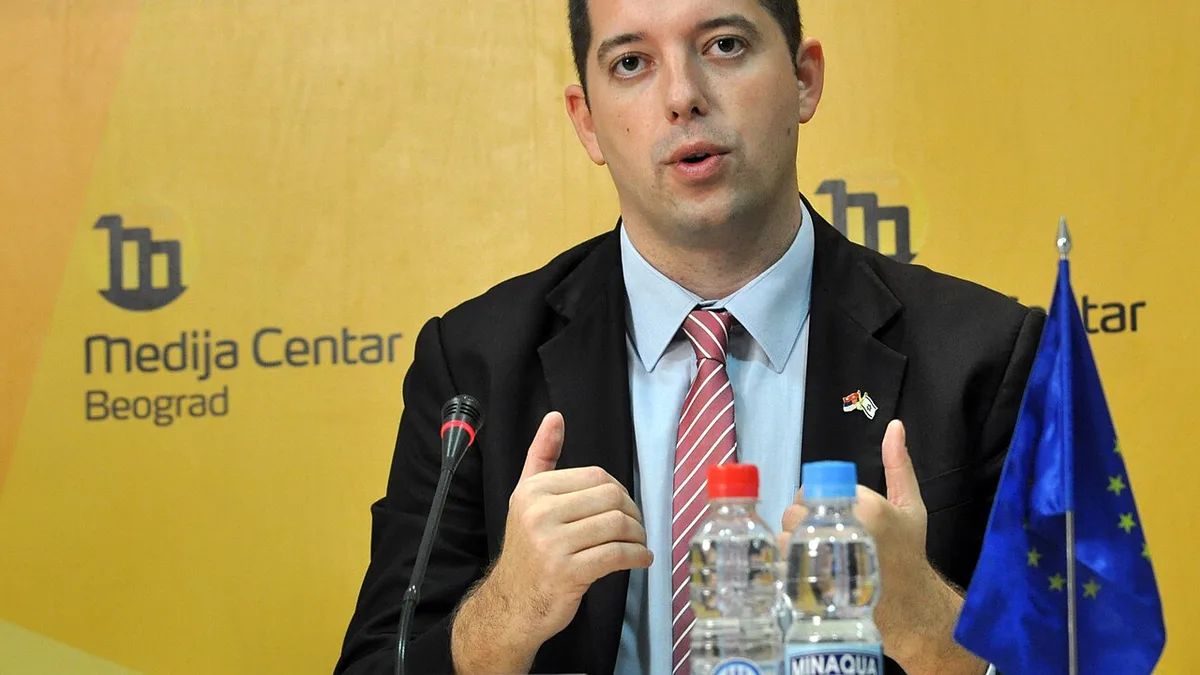
- Serbia was represented by Foreign Minister Marko Djuric, who said the main challenge remains the Belgrade-Pristina dialogue.
- Italian Deputy Prime Minister Antonio Tajani set the goal of the entire Western Balkans joining the EU by 2030.
- The meeting was attended by EU High Representative Kaja Kallas and Enlargement Commissioner Marta Kos.
Serbian Foreign Minister Marko Djuric said in Rome that the main challenge on Belgrade’s European path remains the dialogue with Pristina. He made the statement on Friday, July 10, at the ministerial meeting of the informal Friends of the Western Balkans group, held at the stately Villa Madama.
The meeting brought together the region’s foreign ministers and representatives of the European Union, and it adopted the Rome Charter, a political document launched on an Italian initiative. The charter calls for a stable, predictable and credible enlargement process, with a clear message to Brussels that the region cannot be kept waiting. The host was Italian Deputy Prime Minister and Foreign Minister Antonio Tajani, and the gathering was attended by EU High Representative for foreign policy Kaja Kallas and European Commissioner for Enlargement Marta Kos.
Is 2030 a realistic deadline for the whole region?
Tajani set a concrete target: membership for all Western Balkans countries in the European Union by 2030. For Italian diplomacy this is not a new line. Rome has long insisted that the region’s integration is a strategic question of the continent’s security and stability, not a technical procedure that can be postponed indefinitely.
The deadline, however, depends on variables that Brussels alone does not control. For Serbia the central obstacle is precisely what Djuric named, the normalization of relations with Pristina, a chapter that has slowed progress in the talks for years. Without movement in that process it is hard to imagine Belgrade closing key chapters within the next four years, however ambitious the calendar coming out of Rome.
There is also the question of unanimity. Every enlargement decision requires the consent of all member states, and several open bilateral disputes in the region still stand in the way. The Rome Charter is therefore first of all a political signal, an expression of will by friendly capitals, rather than a binding schedule that guarantees a date.
What the Rome Charter means for Belgrade
For Serbia the value of this meeting is twofold. First, it confirms that within the Union there is a circle of states actively pushing enlargement forward, with Italy among the loudest advocates. Second, the document puts the region back on the agenda at a time when European attention is divided between the war in Ukraine, migration and internal tensions within the bloc itself.
In Rome, Djuric stressed the importance of global and regional initiatives and Serbia’s commitment to the European integration process. The message was carefully calibrated, an affirmation of the European course, but also a reminder that responsibility for the pace does not rest on Belgrade alone. The presence of Kaja Kallas and Marta Kos lends the meeting institutional weight, because without support from key figures in Brussels no date moves from declaration to obligation.
For now, the Rome Charter is a document of goodwill. Its real value will be measured by whether concrete steps follow, the opening of clusters, movement in the dialogue and a clear signal that 2030 is not merely a symbolic year. Do you believe the region can reach EU membership by the end of the decade, or is the deadline from Rome another promise that time will put to the test?