Appeals court reinstates Novi Sad canopy indictment
The Novi Sad Appeals Court overturned the Higher Court's dismissal, so six defendants, including former minister Goran Vesic, will again stand trial over the canopy collapse.

- The Novi Sad Appeals Court overturned the Higher Court ruling that had dismissed the indictment in the canopy collapse case, sending the matter back to trial.
- The indictment against six defendants stands, among them former minister Goran Vesic.
- All were kept in detention because the prescribed sentences exceed ten years.
- The decision comes more than 20 months after the canopy fell.
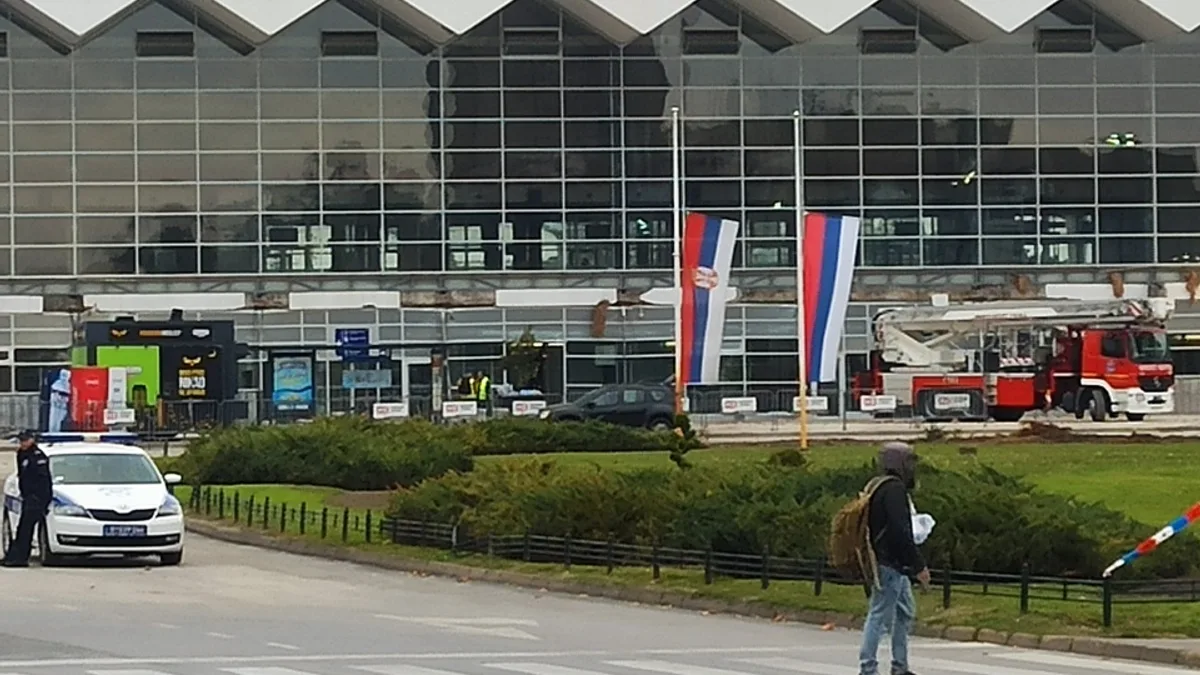
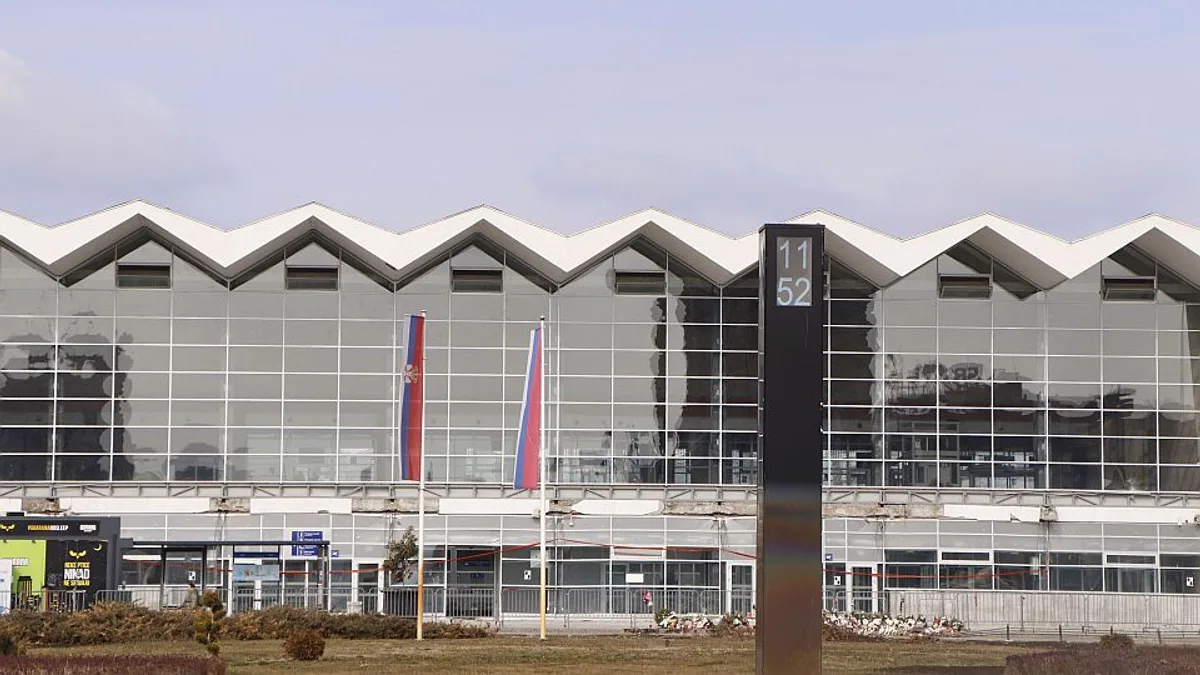
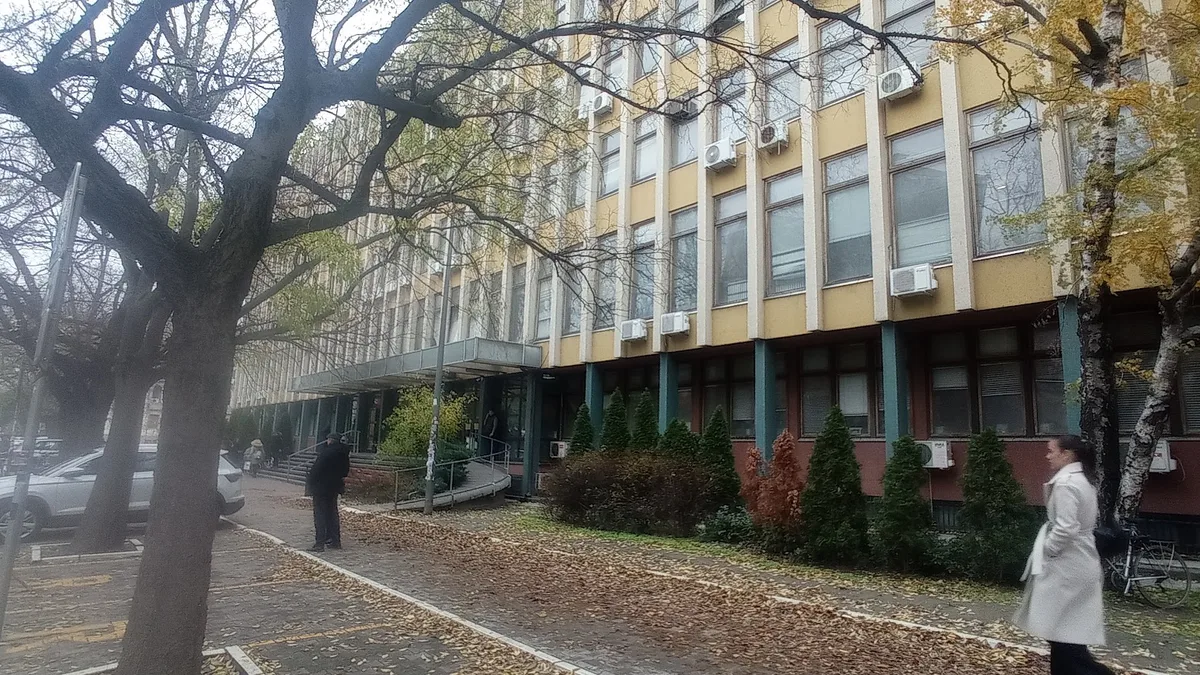
The Novi Sad Appeals Court on Friday overturned the Higher Court ruling that had dismissed the indictment in the case over the collapse of the canopy at the Novi Sad railway station. The matter now returns to the first-instance court, and six defendants, among them former construction, transport and infrastructure minister Goran Vesic, will stand trial again for one of the gravest tragedies in the country’s recent history.
The indictment stands against six defendants. Alongside Vesic, the list includes his associate Anita Dimoski, acting director of Serbian Railways Infrastructure Jelena Tanaskovic, and professor Milan Spremic. The Appeals Court found that the defendants are “reasonably suspected” of the offenses charged, and returned the case to the trial panel, which is to rule on guilt.
The indictment stands, and so does detention
The court specified that for Tanaskovic, Vesic and Dimoski the charges arise from their official duties, and that they must be treated as officials who failed to carry out their responsibilities properly. All were kept in detention, on the grounds that the sentences prescribed for the offenses in the indictment exceed ten years, the threshold above which the law allows the measure to be extended.
The decision comes more than 20 months after the canopy fell, and after the indictment had been struck down several times before. The Higher Court had rejected it, prosecutors filed appeals, and the case shuttled between instances while victims’ families and much of the public repeated that justice was being dragged out. For many following the case, each new round in court was a test of whether responsibility would be established or diluted through procedure.
Why did the ruling split the media picture?
The way the news was reported showed just how sensitive the case has become. N1 covered the court’s reasoning and the detention in detail, while the pro-government RTS did not report on the decision itself in its afternoon roundup. That gap is not accidental, since the proceedings touch the very top of the previous government, so every stage carries political weight.
For the opposition and student groups, which have spent months demanding accountability, overturning the dismissal confirms that the process can move forward. The defense, for its part, will have the chance before the first-instance court to challenge the claims in the indictment, since the Appeals Court decision is not a verdict, only a signal that the trial goes on.
The question that has trailed the case from day one remains: will this matter finally reach a decision on the merits, or will it keep circling between instances, as it has so far?